
Are you tired of uneven heating in your home? Some rooms feel too hot while others stay chilly no matter what you do.
Splitting your heating into separate zones can solve this problem, giving you full control over the temperature in each area. Imagine saving money on your energy bills while staying comfortable all year round. You’ll discover simple steps to split your heating zones effectively, even if you’re not a DIY expert.
Keep reading to learn how to take control of your home’s warmth and make every room just right for you.
Benefits Of Heating Zones
Dividing your home into heating zones offers many benefits. It allows better control over the temperature in different areas. This control leads to savings and a more comfortable living space. Here are some key advantages of splitting heating zones.
Lower Energy Bills
Heating only the rooms you use cuts energy waste. Each zone can be set to the temperature you need. This reduces the workload on your heating system. Lower energy use means smaller utility bills every month.
Improved Comfort
Different rooms often need different temperatures. Bedrooms may need to be cooler than living spaces. Heating zones let you adjust temperatures room by room. This keeps everyone comfortable, no matter the season.
Extended Equipment Life
Heating zones reduce constant wear on your system. The system runs less often and for shorter periods. Less strain means fewer breakdowns and repairs. Your heating equipment lasts longer, saving money on replacements.
Credit: www.pioneerminisplit.com
Identifying Zones In Your Home
Creating heating zones in your home helps control temperatures better. It saves energy and increases comfort. The first step is identifying zones correctly. This means dividing your home into areas that need different heating settings.
Each zone should reflect how you use the space. Some rooms need more heat, others less. Knowing this helps you decide where to place thermostats and controls.
Assessing Room Usage
Look at each room’s purpose. Bedrooms usually need less heat during the day. Living rooms and kitchens need more warmth. Rooms used often should have their own zone. This avoids wasting heat in empty spaces.
Considering Insulation And Layout
Check how well each room holds heat. Rooms with poor insulation cool faster. Large open areas share heat differently than small rooms. Walls and doors affect heat flow. Group rooms with similar insulation and layout together.
Prioritizing High-use Areas
Focus heating on spaces where you spend most time. Living rooms, family rooms, and kitchens are key. Giving these zones more control improves comfort. Less-used rooms can have lower heat settings.
Choosing The Right Thermostats
Choosing the right thermostat is key to creating effective heating zones. The thermostat controls the temperature in each zone. It helps save energy and keeps your home comfortable. Picking the best thermostat depends on your needs and heating system.
Programmable Vs. Smart Thermostats
Programmable thermostats let you set schedules for heating. You choose times for warmer or cooler air. These thermostats work well if your routine is steady. Smart thermostats learn your habits over time. They adjust heating automatically to fit your lifestyle. Some smart models connect to your phone for easy control.
Compatibility With Your System
Not all thermostats fit every heating system. Check if the thermostat matches your boiler or furnace type. Some systems need specific wiring or voltage levels. Confirm the thermostat supports the number of zones you want. Using the wrong thermostat can cause errors or poor heating.
Installation Tips
Place thermostats in central spots within each zone. Avoid areas near windows or direct sunlight. Follow the manufacturer’s instructions carefully for wiring. Turn off power before installation to stay safe. Test each thermostat after installation to ensure proper function.

Credit: lockhartgardensvi.com
Installing Zone Valves And Dampers
Installing zone valves and dampers is a key step in creating separate heating zones. These devices control the flow of hot water or air, allowing you to heat different areas independently. This improves comfort and can reduce energy costs.
Zone valves work by opening and closing pipes that carry hot water. Dampers control airflow in duct systems. Both help manage heat where it is needed most.
Types Of Zone Control Devices
Zone valves come in electric and motorized types. Electric valves open and close quickly using electrical signals. Motorized valves move slower but offer precise control.
Dampers include manual and automatic types. Manual dampers need hand adjustment. Automatic dampers adjust based on thermostat signals.
Placement Strategies
Install valves on the main supply lines that feed each zone. This stops water flow in zones not in use. For dampers, place them inside duct branches leading to different rooms.
Choose spots that are easy to reach for maintenance. Avoid tight spaces that make installation hard. Proper placement ensures efficient zone control.
Professional Vs. Diy Installation
Professionals have experience with plumbing and HVAC systems. They ensure valves and dampers work correctly and safely. Mistakes can cause leaks or poor heating.
DIY installation may save money but requires careful planning. Basic plumbing and electrical skills are needed. Always follow manufacturer instructions and local codes.
Wiring And Control Setup
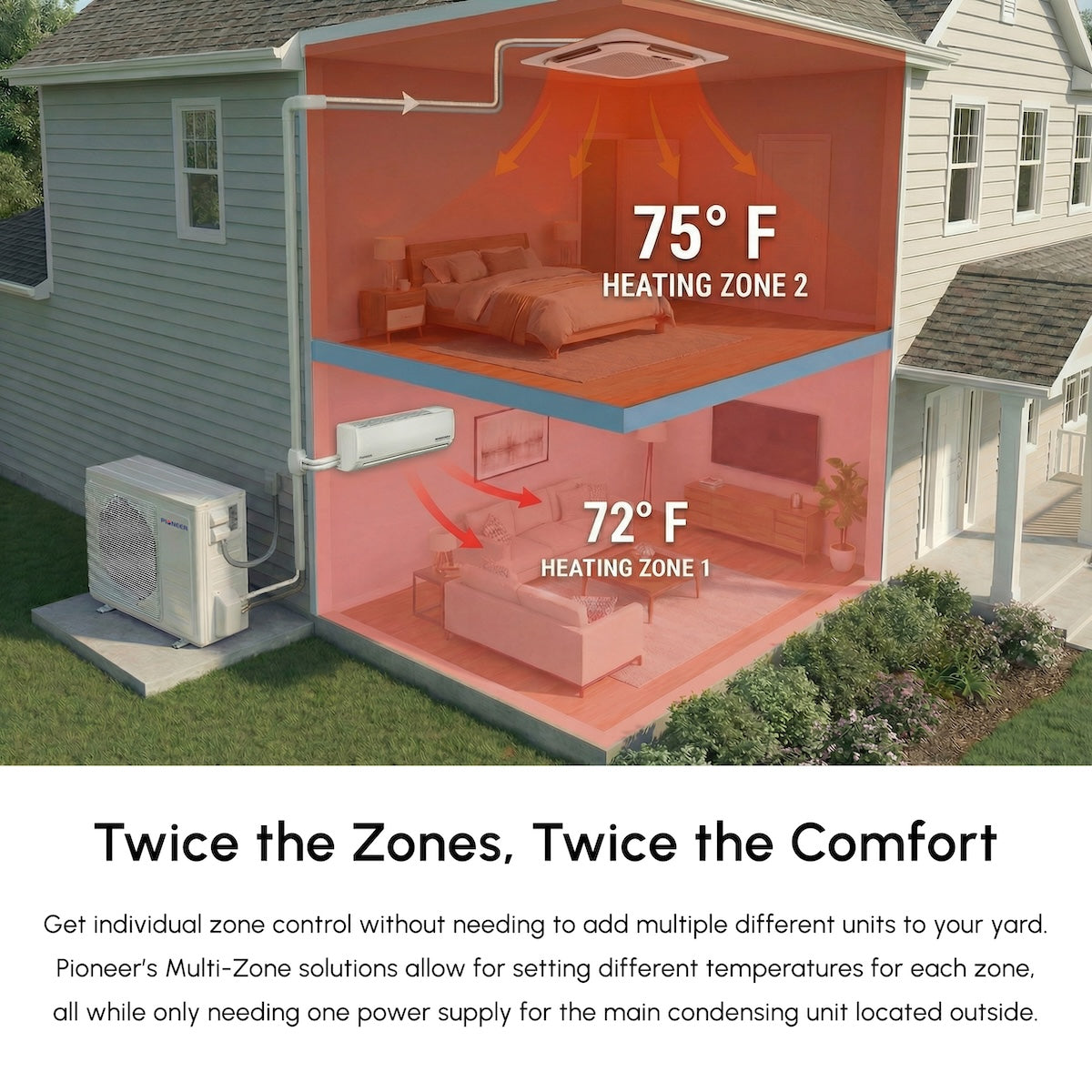
Setting up wiring and controls is key to splitting heating zones effectively. Each zone needs its own thermostat connected to the heating system. Proper wiring ensures the system works smoothly and keeps your home comfortable.
Connecting Thermostats To Zones
Start by linking each thermostat to its designated zone valve or relay. Use the wiring diagram that comes with your heating system. Match wires from the thermostat to the zone controller. Secure all connections to prevent loose wires.
Ensuring Proper Communication
Check that thermostats send signals correctly to the zone control panel. Use the correct wire types and lengths to avoid signal loss. Confirm the control panel recognizes each thermostat. This step helps each zone respond to temperature changes.
Testing The System
Test each zone individually after wiring. Turn on one thermostat and see if its zone heats up. Repeat for all zones to ensure proper function. Fix any issues like no heat or wrong zone activation immediately.
Credit: www.pioneerminisplit.com
Optimizing Zone Temperatures
Optimizing zone temperatures improves comfort and saves energy. Different rooms need different heat levels. Setting the right temperature for each zone ensures efficient heating. This reduces wasted energy and lowers bills. It also keeps every space cozy, no matter the weather outside.
Setting Schedules For Each Zone
Create heating schedules based on daily routines. Set warmer temperatures when rooms are in use. Lower heat during night or when rooms are empty. Use timers or smart thermostats to automate this. Scheduling helps avoid heating unused spaces. It keeps your home comfortable and efficient.
Adjusting For Occupancy Patterns
Notice when people use each room the most. Adjust temperatures to match these patterns. For example, keep the living room warm in the evening. Reduce heat in bedrooms during the day. This approach saves energy and fits your lifestyle. It makes each zone’s heating more practical.
Using Sensors For Accuracy
Install temperature sensors in each zone. Sensors track real-time temperature changes. They send data to your thermostat or system. This helps maintain precise control over heating. Sensors prevent overheating or underheating rooms. This leads to better comfort and energy savings.
Maintenance Tips For Zoned Systems
Maintaining a zoned heating system helps it run smoothly and saves energy. Regular care prevents breakdowns and keeps your home comfortable. Follow simple steps to keep each zone working well.
Regular Inspection Of Components
Check all parts of your heating zones often. Look at thermostats, dampers, and wiring for wear or damage. Tighten loose connections and replace broken parts quickly. This keeps the system safe and efficient.
Cleaning And Replacing Filters
Dirty filters block airflow and reduce heating power. Clean or change filters every month or as needed. Use the right size and type for your system. Clean filters help air move freely and improve air quality.
Troubleshooting Common Issues
Listen for unusual noises or smells from your heating zones. Uneven heating or cold spots may signal a problem. Check thermostat settings and batteries first. If problems persist, call a professional to avoid damage.
Common Mistakes To Avoid
Splitting heating zones can improve comfort and save energy. Mistakes during this process can cause problems. Avoiding common errors ensures your system works well and lasts longer.
Over-zoning
Creating too many zones can confuse your heating system. It may cause uneven heat and waste energy. Keep the number of zones manageable. Group rooms with similar heating needs together.
Ignoring System Compatibility
Not all heating systems work with multiple zones. Check your system before adding zones. Using incompatible parts can cause failures or damage. Consult a professional if unsure about compatibility.
Neglecting Maintenance
Heating zones need regular care to function properly. Dirty filters and blocked vents reduce efficiency. Schedule maintenance checks every year. Clean parts ensure even heat and longer system life.
Frequently Asked Questions
What Does Splitting Heating Zones Mean?
Splitting heating zones divides a home into areas with separate temperature controls. It helps heat only where needed. This saves energy and improves comfort.
Why Should I Split My Heating System Into Zones?
Zoning reduces energy waste by heating rooms differently based on use. It lowers utility bills and keeps each area cozy. Plus, you avoid overheating empty rooms.
How Many Heating Zones Do I Need?
Most homes have 2 to 4 zones, depending on size and layout. Large homes or multi-story buildings often need more zones. A professional can help decide the best number.
What Equipment Is Needed For Heating Zones?
You need zone valves or thermostatic radiator valves, and multiple thermostats. A zone control panel connects everything to your heating system. This setup controls heat flow to each zone.
Can I Split Heating Zones Myself?
Basic zoning might be DIY-friendly, like installing thermostats. Complex jobs require a qualified HVAC technician for safety and efficiency. Mistakes can lead to uneven heating or damage.
How Much Does It Cost To Split Heating Zones?
Costs vary by home size and system complexity. Basic zoning can start around a few hundred dollars. Full zoning with new equipment may cost more but saves energy long-term.
Will Splitting Heating Zones Improve Comfort In My Home?
Yes, zoning allows each room to reach its ideal temperature. It prevents hot or cold spots in your home. This makes living spaces more comfortable and consistent.
Conclusion
Splitting heating zones helps save energy and lowers bills. You control heat in each room separately. This means more comfort for everyone in your home. Start with simple steps and tools for best results. Remember, small changes bring big benefits over time.
Keep your system well-maintained to work smoothly. Heating zones create warmth where you need it most. Give it a try and enjoy a cozy house all winter.