
Are you worried about how pool water might be affecting your beautiful paver stones? You’re not alone.
When water splashes onto your pavers, it can cause stains, discoloration, or even damage over time. That’s why using the right paver sealer is crucial to protect your outdoor space. But what exactly happens when pool water meets your paver sealer?
And how can you make sure your pavers stay looking fresh and strong year-round? Keep reading to uncover the secrets to choosing and applying the perfect sealer for your pool area—and say goodbye to those frustrating water marks for good.
Choosing The Right Paver Sealer
Choosing the right paver sealer is key for pool areas. The right product protects your pavers from water damage and keeps them looking great. It also prevents stains and fading caused by pool water. Understanding different types of sealers helps you pick the best fit for your outdoor space.
Types Suitable For Pool Areas
Sealers designed for pool areas resist water and chemicals. Look for sealers that block moisture and withstand chlorine. These sealers keep pavers strong and safe under constant water exposure. Avoid sealers that peel or discolor quickly near pools.
Water-based Vs. Solvent-based Sealers
Water-based sealers dry fast and have low odor. They are easier to apply and clean up. Solvent-based sealers offer stronger protection but take longer to dry. They have a stronger smell and require careful handling. Choose based on your comfort and the level of protection needed.
Eco-friendly Options
Eco-friendly sealers use fewer harmful chemicals. They reduce pollution and keep the environment safe. These sealers work well around pool areas and protect water quality. Choosing green options supports a healthier home and planet.

Credit: pbcpressurecleaning.com
Preparing Pavers Before Sealing
Preparing pavers before sealing is a key step to protect your pool area. Proper preparation helps the sealer stick better and last longer. It also keeps water from the pool from damaging the pavers.
Taking time to clean, repair, and check drainage ensures a smooth sealing process. This prevents future problems and keeps your poolside looking great.
Cleaning And Drying
Start by removing dirt, leaves, and stains from the pavers. Use a broom or a pressure washer for best results. Let the pavers dry completely before sealing. Moisture can stop the sealer from bonding well. Dry pavers help the sealer soak in evenly.
Repairing Cracks And Gaps
Check the pavers for any cracks or gaps between them. Fill small gaps with sand or a joint filler. Use a concrete patch for bigger cracks. Fixing these prevents water from seeping underneath. It also stops weeds from growing and damaging the pavers.
Ensuring Proper Drainage
Good drainage prevents water from pooling on the surface. Check that the area slopes away from the pool. Clear any blocked drains or channels. Proper drainage reduces water damage and keeps the sealer effective longer.
Safe Application Techniques
Applying paver sealer near pool water needs care and attention. Safe techniques help protect the pavers and keep the pool area looking great. Proper steps reduce the risk of damage and ensure the sealer works well.
Weather Conditions To Consider
Choose a dry day for sealing pavers. Avoid windy days to stop debris from sticking to the sealer. Do not apply sealer in direct sunlight or extreme heat. Ideal temperatures are between 50°F and 85°F. Rain can wash away the sealer before it dries. Check the weather forecast before starting the job.
Tools And Equipment Needed
Use a clean broom or blower to remove dirt and leaves. Have a paint roller or sprayer for even sealer application. Use gloves to protect your hands. Safety glasses keep your eyes safe from splashes. Keep a bucket of water nearby for quick cleanup. Use drop cloths to protect nearby plants and surfaces.
Applying Even Coats
Apply the sealer in thin, even layers. Start at one corner and work in small sections. Use smooth, steady strokes for a uniform finish. Avoid over-applying, which can cause bubbles or peeling. Allow the first coat to dry fully before adding another. Two thin coats work better than one thick coat.
Protecting Pool Water Quality
Protecting pool water quality is crucial when applying paver sealer around a pool area. Sealers contain chemicals that can harm water balance and affect swimmer safety. Careful planning and proper steps help keep the water clean and safe. This section covers key tips to avoid problems and maintain pool water quality after sealing.
Preventing Sealer Contamination
Avoid letting the sealer drip or spill into the pool water. Use drop cloths or plastic sheets near the pool edge. Clean tools and equipment away from the water. Choose sealers designed for outdoor use and low toxicity. Preventing contamination keeps pool water clear and safe for swimming.
Timing Sealer Application Around Pool Use
Apply sealer when the pool is not in use. Pick a dry day with no rain forecast. Let the sealer dry completely before allowing swimmers back. Usually, drying takes 24 to 48 hours. Proper timing reduces the risk of sealer entering the pool water.
Monitoring Water Chemistry Post-application
Test pool water daily after sealing the pavers. Check pH, chlorine levels, and alkalinity carefully. Adjust chemicals to restore balance if needed. Watch for cloudiness or unusual smells in the water. Monitoring prevents long-term damage and ensures safe swimming conditions.
Maintaining Sealed Pavers Near Pools
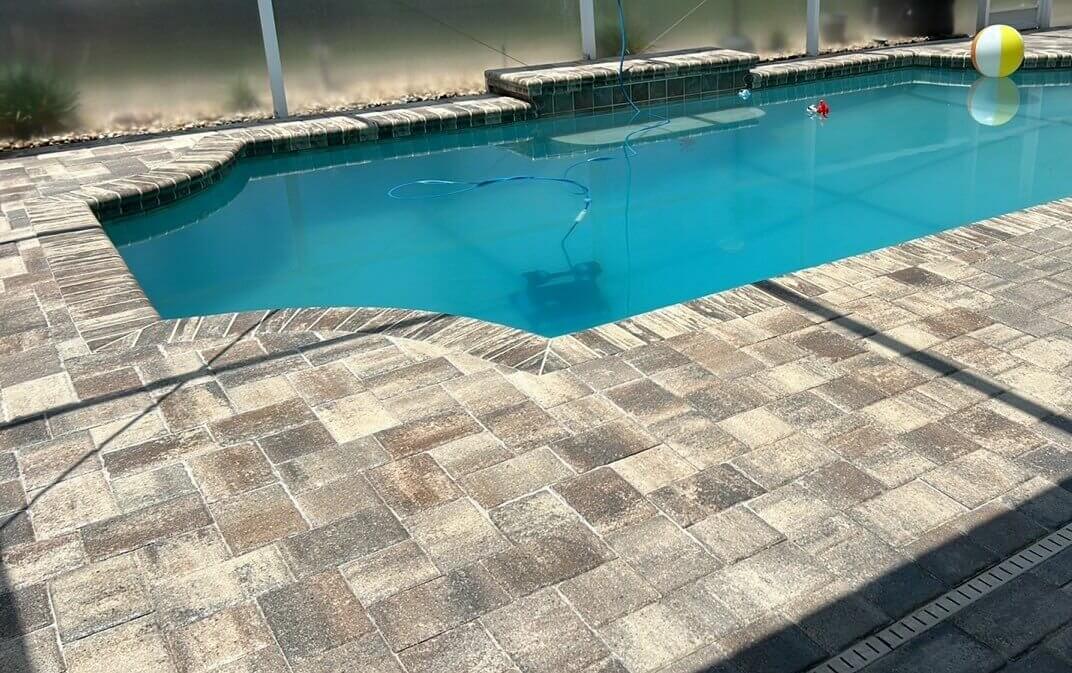
Sealed pavers near pools need special care to keep their look and strength. Water and pool chemicals can wear down the sealer over time. Proper maintenance helps protect pavers from damage and keeps the pool area safe and beautiful.
Regular Cleaning Tips
Clean sealed pavers often to stop dirt buildup. Use a soft broom or brush to remove leaves and debris. Rinse with clean water to wash away dirt and pool chemicals. Avoid harsh cleaners that can break down the sealer. Gentle soap and water work best.
Reapplication Frequency
Reapply sealer every 2 to 3 years to keep protection strong. Pools with heavy use may need sealing more often. Check pavers for dull spots or water absorption to know when to reseal. Proper timing prevents damage and keeps pavers looking fresh.
Handling Wear And Tear
Inspect pavers regularly for cracks or chips. Fix small damage quickly to stop it from growing. Replace broken pavers to keep the surface safe. Avoid dragging heavy objects on pavers to reduce scratches. Proper care extends the life of sealed pavers.
Credit: paversealtampa.com
Common Mistakes To Avoid
Applying paver sealer near pool water demands care. Many make mistakes that reduce sealer performance and safety. Avoiding these errors keeps your pool area safe and looking great.
Applying Sealer Too Close To Water
Sealer should not touch pool water. Water can wash away the sealer before it dries. This causes uneven coating and weak protection. Always keep a dry zone between the pool edge and the sealer area. Let the sealer fully cure before filling the pool.
Ignoring Manufacturer Guidelines
Each sealer has specific instructions. Ignoring these leads to poor results and damage. Follow drying times, application methods, and safety advice. Skipping steps may cause peeling or discoloration. Read labels carefully to ensure proper use and lasting protection.
Using Incompatible Products
Not all sealers work with all pavers or pool chemicals. Using wrong products can cause stains or surface damage. Check if the sealer matches your paver type and pool environment. Use only sealers designed for outdoor, wet areas. This prevents costly repairs and keeps surfaces safe.
Credit: www.homedepot.com
Frequently Asked Questions
What Is Paver Sealer Used For In Pool Areas?
Paver sealer protects poolside stones from water, stains, and weather damage.
Can Paver Sealer Affect Pool Water Quality?
Properly applied sealer does not harm pool water or its balance.
How Often Should You Seal Pavers Near A Pool?
Sealing is recommended every 2-3 years for lasting protection around pools.
Is It Safe To Swim After Sealing Pavers?
Wait at least 24-48 hours before swimming to let the sealer dry fully.
Does Paver Sealer Prevent Algae Growth Around Pools?
Sealers reduce moisture absorption, which helps limit algae growth on pavers.
Can Rain Wash Away Pool Paver Sealer?
Rain shortly after application can wash sealer away, so avoid sealing before rain.
Conclusion
Sealing pavers near pool water protects them from damage and stains. It keeps the surface looking clean and fresh longer. Regular sealing helps prevent water from soaking into the stones. This stops cracks and mold growth around the pool area.
Choose the right sealer made for wet environments. Apply it carefully following product instructions. This small step can save you money on repairs later. A well-maintained pool deck adds safety and beauty to your space. Simple care makes a big difference over time.