
Have you noticed your Hayward pool pump making strange noises or losing power? If you’ve seen a warning like “Cavitation Detected,” it’s a sign your pump is struggling—and ignoring it can lead to costly damage.
You rely on your pool pump to keep your water clean and clear, so understanding what cavitation means and how to fix it is crucial. Keep reading to learn exactly what’s happening inside your pump and how you can protect your pool system before small issues turn into big problems.

Credit: penguinpool.com
Causes Of Cavitation In Pool Pumps
Cavitation in pool pumps can damage the pump and reduce its efficiency. It happens when air bubbles form and collapse inside the pump. These bubbles cause noise and vibration. Understanding the causes helps prevent damage and keep the pump running smoothly.
Low Water Flow Issues
Low water flow means not enough water moves through the pump. This causes pressure to drop inside the pump. When pressure falls too low, bubbles form and cause cavitation. Common reasons for low flow include closed valves or blocked pipes.
Air Leaks In Suction Line
Air leaks let air enter the suction line. This air mixes with water and creates bubbles. The pump then pulls in these bubbles, which leads to cavitation. Leaks can happen due to loose fittings or cracked pipes.
Clogged Or Dirty Filters
Filters trap dirt and debris. When filters clog, water flow slows down. Reduced flow lowers pressure and causes cavitation inside the pump. Cleaning or replacing filters regularly keeps water flowing well.
Improper Pump Installation
Installing the pump incorrectly can cause cavitation. A pump set too high above the pool water level has trouble drawing water. Wrong pipe sizes or poor alignment also reduce flow and increase cavitation risk.
Signs Of Cavitation To Watch For
Cavitation in your Hayward pool pump can cause serious damage over time. Detecting it early helps protect your pump and maintain pool performance. Recognize the common signs to avoid costly repairs and downtime.
Unusual Pump Noises
Listen for strange sounds from the pump. Cavitation often causes a rattling or grinding noise. These noises mean air bubbles are collapsing inside the pump. Ignoring these sounds can lead to pump damage.
Reduced Water Pressure
Notice if water pressure drops suddenly. Cavitation reduces the pump’s ability to move water efficiently. Lower pressure means the pool water won’t circulate well. This can affect filtration and water clarity.
Overheating Pump Motor
Feel the pump motor for excessive heat. Cavitation forces the motor to work harder, causing it to overheat. Overheating can shorten the motor’s life span and increase energy costs.
Visible Air Bubbles In Water
Watch for air bubbles in the water near the pump. These bubbles indicate air is entering the pump system. Air in the water can cause cavitation and reduce pump performance.
Quick Fixes To Stop Cavitation
Cavitation in a Hayward pool pump can cause noise and damage. Quick fixes can stop cavitation and protect your pump. These simple steps improve pump performance and extend its life.
Checking And Sealing Air Leaks
Air leaks let air enter the pump, causing cavitation. Check the pump lid and seals for cracks or gaps. Tighten loose clamps and replace worn O-rings. Use a soapy water solution to find bubbles showing leaks. Sealing air leaks keeps water flow smooth and steady.
Cleaning Or Replacing Filters
Dirty filters block water flow and create low pressure areas. Clean the pool pump filter regularly to remove debris. Replace the filter if it is damaged or too dirty. Clean filters help maintain steady water flow and reduce cavitation risk.
Adjusting Water Flow Rate
Too high or low water flow causes cavitation. Check your pump’s flow rate and adjust it to the recommended level. Use valves to control water speed in pipes. Proper flow rate keeps the pump stable and prevents air bubbles.
Inspecting Pump Alignment
Misaligned pump and motor cause vibrations and cavitation. Turn off power before checking alignment. Adjust motor position to line up with the pump shaft. Proper alignment reduces wear and keeps the pump running quietly.
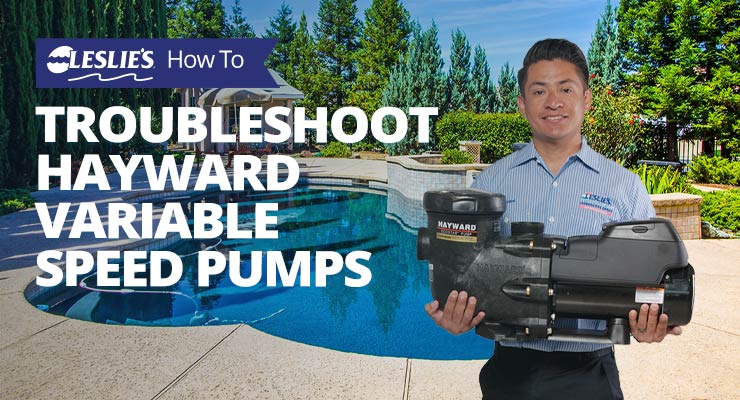
Credit: lesliespool.com
Preventive Maintenance Tips
Preventive maintenance helps keep your Hayward pool pump running smoothly. It stops cavitation problems before they start. Simple steps can extend the pump’s life and improve pool water flow. Follow these easy tips to avoid costly repairs and keep your pool clean and clear.
Regular Filter Cleaning
Clean the pool filter regularly to maintain proper water flow. A dirty filter forces the pump to work harder. This can cause cavitation and damage the pump. Check the filter every two weeks. Rinse or replace it as needed to keep water moving freely.
Monitoring Water Levels
Keep an eye on your pool’s water level. Low water levels can cause air to enter the pump. Air in the system leads to cavitation. Check water levels daily during hot weather. Add water to maintain the proper level, especially after heavy use or evaporation.
Routine Pump Inspections
Inspect the pump regularly for leaks, cracks, or strange noises. Early detection of issues prevents bigger problems. Turn off the pump before checking. Look for loose fittings and worn parts. Tighten or replace parts as needed to ensure smooth operation.
Proper Winterization Practices
Prepare your pump for winter to avoid freeze damage. Drain water from the pump and pipes before cold weather. Store the pump indoors if possible. Use a pump cover to protect it from ice and debris. Proper winter care reduces the risk of cavitation in spring.
When To Call A Professional
Knowing when to call a professional for Hayward pool pump cavitation is important. Some problems need expert care to avoid bigger damage. This guide helps you spot those moments.
Persistent Cavitation Issues
If cavitation keeps happening despite your fixes, call a professional. They can find hidden problems and fix them properly. Continuous cavitation harms the pump and lowers pool water flow.
Pump Component Damage
Signs like strange noises, leaks, or low pressure mean parts may be damaged. A pro can inspect and replace broken components safely. Ignoring damage can lead to costly repairs or full pump failure.
Complex Installation Problems
Incorrect pump setup causes cavitation and poor pool performance. Professionals know the right installation methods and tools. They ensure your pump runs smoothly and lasts longer, saving time and money.

Credit: www.swimmingpoolsteve.com
Frequently Asked Questions
What Causes Cavitation In Hayward Pool Pumps?
Cavitation happens when air or vapor bubbles form in the pump’s water flow.
How Can I Tell If My Pump Has Cavitation?
Listen for a loud rattling or popping noise near the pump.
Why Is Cavitation Harmful To My Pool Pump?
It can damage the pump’s impeller and reduce water flow.
Can Low Water Levels Cause Cavitation In Pumps?
Yes, low water can introduce air and cause cavitation.
How Do I Fix Cavitation In A Hayward Pool Pump?
Check water level, clear debris, and ensure proper pump priming.
Does Cavitation Affect Pool Water Cleanliness?
Yes, it lowers pump efficiency, leading to poor water circulation and cleaning.
Conclusion
Detecting cavitation in your Hayward pool pump is important. Cavitation can damage the pump and reduce its life. Fixing the problem early saves money and effort. Check the water flow and clean the filter regularly. Keep an eye on unusual noises or vibrations.
Small steps help keep your pool pump running well. Stay aware and act quickly to avoid bigger issues. Your pool will stay clean and enjoyable longer. Simple care makes a big difference in pump health.