
Are you wondering if hot and cold PEX lines can touch without causing problems? You’re not alone.
When working with plumbing, it’s important to know how these pipes interact. If you get it wrong, you might face leaks, damage, or costly repairs. But don’t worry—this article will clear up the confusion and give you simple, practical answers.
Keep reading to learn exactly what you need to know to keep your plumbing safe and efficient.
Pex Lines In Plumbing
Pex lines are a popular choice in modern plumbing. They offer flexibility and durability that many traditional pipes lack. These plastic pipes carry water throughout homes easily. Their design helps resist corrosion and scale buildup. This makes them ideal for both hot and cold water supply.
Understanding the different types of Pex tubing helps homeowners and plumbers choose the right pipe. Each type has specific features for various plumbing needs. Pex lines come in different colors to identify hot and cold water lines quickly. This color coding helps prevent mistakes during installation.
Types Of Pex Tubing
There are three main types of Pex tubing: Pex-A, Pex-B, and Pex-C. Pex-A is the most flexible and resistant to kinks. Pex-B is harder but has good chemical resistance. Pex-C is less common and less flexible. Each type fits different plumbing systems and budgets.
Common Uses In Homes
Pex tubing is widely used in residential plumbing. It supplies water to sinks, showers, and appliances. It also works well in radiant floor heating systems. Pex lines can bend around corners without extra fittings. This reduces leaks and installation time.
Credit: www.reddit.com
Heat And Cold Interaction
Hot and cold PEX lines often run close in plumbing systems. Their interaction matters for system durability and safety. Understanding how heat and cold affect these pipes helps prevent problems and ensures long-term function.
Thermal Expansion Effects
Hot water causes PEX pipes to expand. Cold water makes them contract. This constant change creates stress where lines touch. Pipes may rub against each other, wearing down their surfaces. Over time, this can lead to leaks or pipe damage.
Thermal expansion also affects pipe fittings. Heat can loosen joints if pipes are too close. Proper spacing reduces stress and allows pipes to move safely.
Potential Risks Of Contact
When hot and cold PEX lines touch, damage can occur. Friction from movement wears away the pipe’s outer layer. This increases the risk of cracks or leaks. Cross-contact might also cause temperature transfer, reducing system efficiency.
Electrical grounding can pose risks if pipes touch metal parts. This may lead to corrosion or safety hazards. Keeping hot and cold lines separate helps avoid these issues.
Installation Guidelines
Proper installation of PEX lines ensures long-term performance and avoids common problems. Following clear guidelines helps keep hot and cold water lines safe and efficient. Attention to spacing and insulation plays a key role in installation success.
Spacing Requirements
Hot and cold PEX lines should not touch each other directly. A small gap between the lines prevents heat transfer. This helps keep cold water cool and hot water hot. Experts recommend at least one inch of space between the two lines. This gap reduces the chance of temperature mixing. It also avoids damage from friction or expansion. Proper spacing keeps the system working well over time.
Insulation Practices
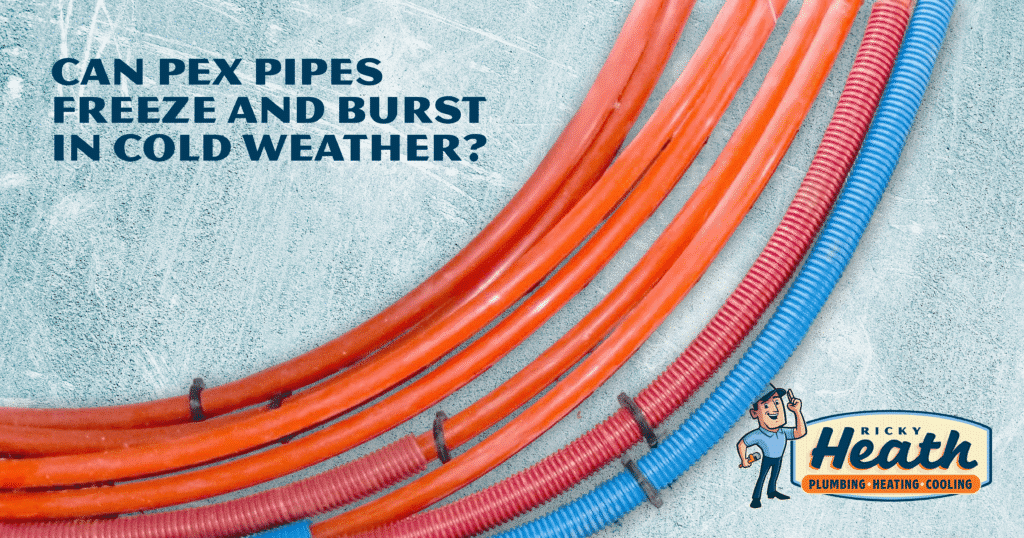
Use insulation on both hot and cold PEX lines. Insulation stops heat loss or gain through the pipes. It protects cold lines from warming up near hot lines. Wrap each pipe with foam or another insulating material. Ensure insulation covers the pipes fully. Avoid gaps or tears in the insulation. This step improves energy efficiency and helps maintain water temperature. Insulation also reduces condensation on cold pipes. It keeps the installation clean and dry.
Credit: www.rickyheathplumbing.com
Code And Manufacturer Recommendations
Code and manufacturer recommendations guide the safe use of PEX piping. These rules help ensure proper installation and avoid future problems. Understanding these guidelines is key to deciding if hot and cold PEX lines can touch.
Building Codes On Pex Installation
Building codes regulate how PEX pipes must be installed. They set standards for spacing, support, and protection. Many codes do not forbid hot and cold PEX pipes from touching. Still, they require proper insulation to prevent heat transfer and damage.
Some codes ask for separation to stop heat from warming cold water lines. They also want pipes secured to avoid stress or abrasion. Local codes may vary, so checking rules in your area is important. Following these codes keeps plumbing safe and efficient.
Manufacturer Instructions
Manufacturers provide clear instructions for installing PEX pipes. They often recommend keeping hot and cold lines separate or insulated. This helps maintain water temperature and extends pipe life.
Many manufacturers say pipes can touch if you use a barrier or sleeve between them. This prevents friction and heat from passing between lines. Ignoring these instructions might void warranties or cause leaks.
Always read and follow the installation guide that comes with your PEX system. It offers the best advice for safe and proper use of hot and cold lines.
Troubleshooting Issues
Troubleshooting issues with PEX lines is crucial for maintaining a safe plumbing system. Hot and cold PEX pipes touching can cause problems. It may lead to heat transfer, reducing efficiency. Detecting and fixing these issues early saves money and effort.
Signs Of Damage
Look for soft spots or bulges on the PEX pipes. These signs show possible damage. Cracks or leaks near the joint are warning signals. Water stains or dampness on walls or floors also indicate leaks. Listen for unusual noises, like hissing or dripping. These sounds may mean pressure problems or leaks.
Preventive Measures
Keep hot and cold PEX pipes separated by at least one inch. Use pipe insulation to avoid heat transfer. Secure pipes with clamps or brackets to reduce movement. Avoid sharp bends or kinks in the pipes. Check pipes regularly for any signs of wear or damage. Replace damaged sections promptly to prevent leaks or bursts.

Credit: diy.stackexchange.com
Alternative Solutions
There are ways to keep hot and cold PEX lines from touching. These options help avoid problems like heat transfer or damage. Using smart methods keeps your plumbing safe and working well. Here are two common alternative solutions.
Using Separate Channels
One method is to run hot and cold PEX lines in separate channels. This means placing pipes in different spaces inside walls or floors. Separate channels stop the pipes from touching each other. It also lowers the chance of heat from the hot line warming the cold line. This method keeps water temperatures steady and saves energy.
Separate channels can be made with plastic or metal sleeves. They protect pipes and make installation easier. This system is common in new buildings and renovations. It takes a bit more planning but offers long-term benefits for plumbing systems.
Barrier Materials
Another solution is to use barrier materials between hot and cold PEX pipes. These materials stop heat from moving between pipes. Foam insulation sleeves are a popular choice. They wrap around pipes and keep temperatures steady.
Other barriers include special tape or plastic strips designed for plumbing. These items are cheap and easy to install. Barriers also protect pipes from rubbing or damage. They improve the life and safety of your plumbing system.
Frequently Asked Questions
Can Hot And Cold Pex Pipes Touch Each Other?
Hot and cold PEX pipes can touch, but it’s best to avoid it. Keeping them slightly apart helps prevent heat transfer and maintains water temperature.
Why Should Hot And Cold Pex Lines Not Touch?
If hot and cold lines touch, heat can move from hot to cold pipe. This may warm the cold water and reduce efficiency.
What Happens If Hot And Cold Pex Pipes Are Bundled?
Bundling hot and cold PEX pipes causes temperature mixing. This can lead to lukewarm water and higher energy use.
How Far Apart Should Hot And Cold Pex Pipes Be?
A gap of at least 1 inch is recommended between hot and cold PEX lines. This spacing limits heat transfer and maintains water temperature.
Can Touching Pex Lines Cause Water Temperature Issues?
Yes, touching PEX lines can cause cold water to warm up. This affects comfort and may waste energy.
Is It Safe To Install Hot And Cold Pex Lines Together?
It is safe but not ideal to install them touching. Adding insulation or spacing improves performance and prevents heat loss.
Does Pipe Material Affect Hot And Cold Pex Line Contact?
PEX pipes have good heat resistance but touching lines still transfer heat. Proper separation or insulation is needed to keep water temperatures stable.
Conclusion
Hot and cold PEX lines should not touch each other directly. Keeping them apart prevents heat transfer and saves energy. Proper spacing also avoids damage and leaks over time. Use clips or straps to separate the pipes safely. This simple step helps your plumbing work better and last longer.
Always follow local codes for best results. Small efforts make a big difference in home plumbing. Choose the right method to protect your pipes today.