
When you’re working with pumps, understanding the difference between pump flow rate and system flow rate can make or break your project’s success. You might think they’re the same, but mixing them up could lead to costly mistakes or inefficient operation.
You’ll discover exactly what sets these two flow rates apart and why knowing the difference matters for your equipment and your bottom line. Keep reading to gain clarity and confidence in managing your pump systems like a pro.
Credit: www.pumpsandsystems.com
Pump Flow Rate Basics
Pump flow rate is an important concept in fluid systems. It tells you how much liquid a pump moves in a certain time. Understanding this helps to pick the right pump for any system. It also ensures the system works efficiently and safely. Below, find the basics of pump flow rate and what affects it.
What Pump Flow Rate Means
Pump flow rate is the volume of fluid a pump moves per minute. It is usually measured in gallons per minute (GPM) or liters per minute (LPM). The flow rate shows how fast the pump moves fluid through pipes or equipment. A higher flow rate means more fluid moves in less time. This helps in tasks needing quick fluid transfer. The flow rate must match the system’s needs for best results.
Factors Affecting Pump Flow Rate
Several factors change the pump flow rate. One is the pump’s size and design. Bigger pumps often move more fluid. The speed of the pump’s motor also affects flow. Faster motors push fluid quicker. Pipe size and length play a role too. Narrow or long pipes reduce flow rate. Pressure in the system matters as well. Higher pressure can lower how much fluid moves. Lastly, fluid type affects flow. Thick or sticky fluids move slower than water.
System Flow Rate Essentials
The system flow rate is a key factor in any fluid system. It measures how much fluid moves through the system over time. Understanding this rate helps you design and maintain efficient systems.
It differs from the pump flow rate, which is the flow the pump can deliver. The system flow rate depends on many elements inside the system itself.
Defining System Flow Rate
System flow rate is the volume of fluid passing through pipes or channels each minute. It shows how much fluid reaches different parts of the system. This rate is often measured in gallons per minute (GPM) or liters per second (L/s).
The system flow rate reflects real conditions, not just the pump’s capacity. It changes based on what the system requires and how it is set up.
Influences On System Flow Rate
Several factors affect the system flow rate. Pipe size and length impact how easily fluid flows. Narrow or long pipes reduce flow rate.
Valves and fittings create resistance that lowers flow speed. Pressure drops and friction inside pipes also slow fluid movement.
Demand from different parts of the system changes flow needs. When more fluid is needed, the system flow rate increases, and vice versa.
Comparing Pump And System Flow Rates
Comparing pump flow rate and system flow rate helps understand how a pump performs in real settings. These two flow rates often differ, yet both are important for system design and operation. Knowing their differences aids in choosing and maintaining pumps correctly.
Both flow rates describe how much fluid moves, but they measure different things. Let’s explore how they differ and why differences happen.
How They Differ
Pump flow rate is the amount of fluid a pump can move per minute. This rate is measured at the pump’s outlet under ideal conditions. It shows the pump’s capacity without restrictions.
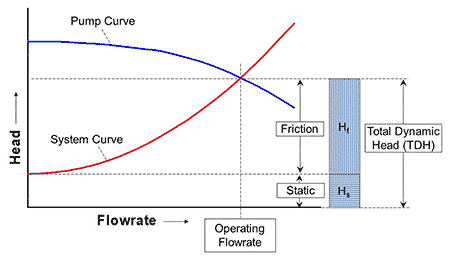
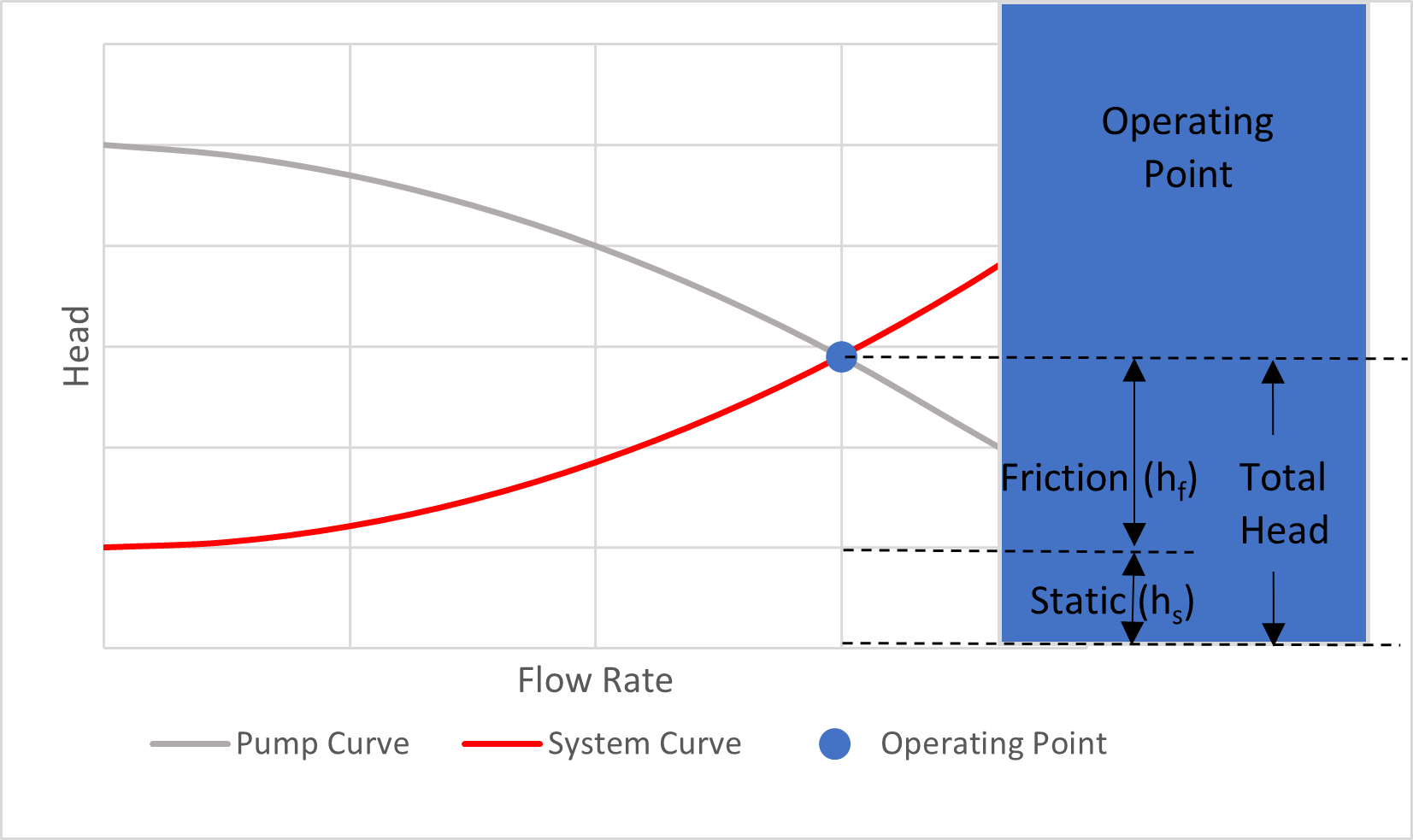
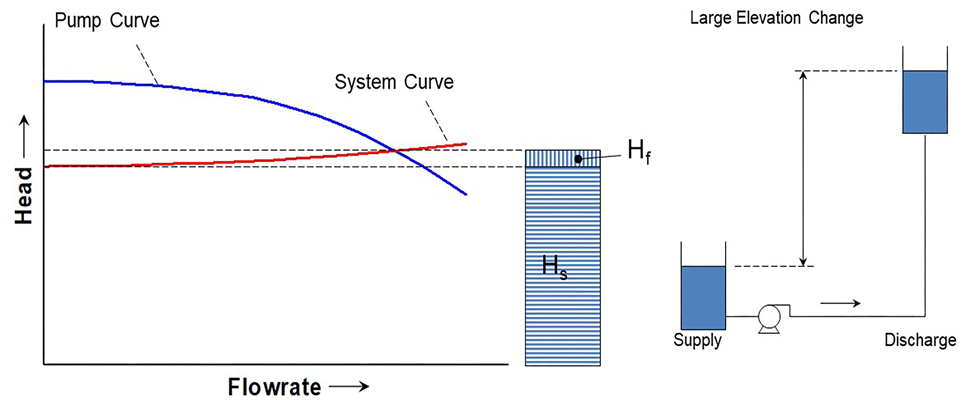
System flow rate is the actual fluid movement within the entire piping and equipment setup. It depends on system resistance, pipe size, and other factors. This rate shows real flow during operation.
Pump flow rate is usually higher than system flow rate. The system flow rate adjusts to pressure losses and equipment needs.
Why Differences Occur
Differences happen because of friction in pipes and fittings. These reduce flow by resisting fluid movement. Pressure drops also lower system flow rate.
Valves and filters create extra resistance. They limit fluid flow and change the system flow rate.
System layout affects flow. Long or narrow pipes cause higher losses and reduce flow rate.
Pump wear and tear may reduce pump flow rate over time. This changes how the pump matches the system needs.
Credit: datatool.pumps.org
Impact On System Performance
The impact of pump flow rate versus system flow rate is critical for system performance. A mismatch can cause many problems. It affects efficiency, equipment life, and energy use. Proper flow rates ensure smooth operation and reduce wear and tear. Understanding these effects helps maintain a reliable system.
Effects Of Flow Rate Mismatches
When pump flow rate does not match system flow rate, issues arise. Too high flow can cause pressure spikes and noise. It may damage pipes and valves. Too low flow means insufficient supply, reducing system effectiveness. Pumps may run longer, wasting energy and increasing costs. Over time, mismatches shorten the lifespan of system components.
Optimizing Flow Rate Compatibility
Matching pump flow rate to system requirements is key. Start by measuring system demand accurately. Choose a pump that meets or slightly exceeds this demand. Use control valves or variable speed drives to adjust flow as needed. Regular maintenance ensures the pump and system stay aligned. This approach improves efficiency and extends equipment life.
Measuring And Monitoring Flow Rates
Measuring and monitoring flow rates is vital for efficient pump and system operation. Accurate flow data helps identify problems and improve performance. This process ensures the pump delivers the right flow to meet system needs. It also prevents damage caused by incorrect flow rates. Regular monitoring supports maintenance and energy savings. Understanding tools and techniques for flow measurement is key.
Tools For Measuring Pump Flow
Flow meters are common tools for measuring pump flow rates. They come in various types like turbine, magnetic, and ultrasonic. Each type suits different fluids and pipe sizes. Flow meters attach directly to the pump outlet or pipe. They provide real-time flow data, which helps adjust pump settings. Pressure gauges also assist in estimating flow changes. Choosing the right tool depends on accuracy needs and budget.
Techniques For System Flow Assessment
System flow assessment checks flow throughout the entire piping network. It often uses multiple flow meters at key points. Balancing valves help control flow distribution in the system. Data logging records flow variations over time. This technique reveals bottlenecks and leaks. Visual inspections and pressure tests support flow data. Combining these methods gives a clear system flow picture.
Credit: www.pumpsandsystems.com
Common Issues And Solutions
Understanding the difference between pump flow rate and system flow rate is important for smooth operation. Problems with flow rates cause poor system performance or damage. Identifying and fixing these issues quickly can save time and money.
This section covers common flow rate problems and easy ways to solve them. It also explains how to adjust flow rates for better efficiency. Clear steps make these tasks simple for everyone.
Troubleshooting Flow Rate Problems
Start by checking if the pump flow rate matches system needs. A mismatch often causes low pressure or no flow. Look for blockages in pipes or filters. These reduce flow and must be cleared.
Inspect valves to see if they are fully open. Partially closed valves limit flow. Also, check for leaks in pipes or joints. Leaks lower system flow and waste energy.
Measure flow rates at different points in the system. This helps find where flow drops. If the pump is old or worn, it may not reach its rated flow. Replace or repair the pump if needed.
Adjusting Flow Rates For Efficiency
Adjust flow rates to fit system demands. Use variable speed drives on pumps to control flow easily. This avoids wasting energy by running pumps too fast.
Balance the system by setting valves correctly. Balanced flow reduces wear and improves performance. Avoid running pumps at full capacity if not necessary.
Regular maintenance keeps flow rates steady. Clean filters and check for buildup often. Well-maintained systems use less energy and last longer.
Frequently Asked Questions
What Is Pump Flow Rate In Simple Terms?
Pump flow rate is the volume of fluid a pump moves in one minute. It shows how fast the pump works. This rate helps choose the right pump for a system.
How Does System Flow Rate Differ From Pump Flow Rate?
System flow rate is how much fluid actually flows through the system. It depends on pipes, valves, and pressure drops. Pump flow rate is the pump’s output alone.
Why Is Matching Pump And System Flow Rates Important?
Matching ensures the system runs efficiently without damage. Too high or low flow can cause wear or poor performance. Balance keeps the system safe and long-lasting.
What Causes Differences Between Pump And System Flow Rates?
Friction, pipe size, and valve settings reduce flow in the system. Pump flow rate is ideal but system flow rate faces real-world limits. These factors create gaps between the two rates.
How To Measure Pump Flow Rate Accurately?
Use a flow meter or calculate by measuring volume over time. Regular checks confirm the pump works as expected. This helps maintain system efficiency and prevent issues.
Can Pump Flow Rate Change Under System Pressure?
Yes, pressure affects how much fluid a pump can move. Higher pressure can lower flow rate. Pumps have performance curves showing flow changes at different pressures.
What Happens If System Flow Rate Exceeds Pump Flow Rate?
The system may not get enough fluid, causing poor operation. Pumps can run dry or overheat without enough flow. This can lead to system failure or damage.
Conclusion
Understanding pump flow rate and system flow rate helps improve your system’s efficiency. The pump flow rate shows how much liquid the pump moves. The system flow rate depends on the entire piping and equipment. Matching these rates avoids problems like low pressure or damage.
Always check both rates before installing or fixing pumps. This knowledge saves time and money. It also keeps your system running smoothly and safely. Simple steps can make a big difference in your system’s performance. Keep these points in mind for better results.