
Are you wondering if shocking your pool can raise its pH levels? Keeping your pool water balanced is key to enjoying a clean, safe swim.
But when you add shock treatment, it’s natural to ask how it affects your water chemistry. Understanding this can save you time and frustration while ensuring your pool stays crystal clear. Let’s dive into the facts about pool shock and its impact on pH, so you can keep your water perfect all season long.
How Pool Shocking Works
Pool shocking is a common process used to clean and refresh pool water. It helps remove bacteria, algae, and organic waste. The process involves adding a strong chemical to the water. This chemical reacts quickly and breaks down contaminants. Understanding how pool shocking works helps maintain healthy water and clear pools.
Types Of Pool Shock
There are several types of pool shock available. Calcium hypochlorite is a popular choice. It adds chlorine and can raise pH slightly. Sodium dichlor is another type that dissolves easily and has a neutral pH. Lithium hypochlorite is less common but effective for chlorine needs. Each type works differently on water chemistry.
Chemical Reactions In Water
Pool shock releases chlorine into the water. Chlorine kills bacteria and breaks down organic matter. This process uses oxidation, where contaminants lose electrons and break apart. The reaction also produces byproducts like chloramines. Chloramines cause cloudy water and odors. Shocking removes these byproducts, making water clearer. The chemical reaction can raise pH because some shock types are alkaline.
Credit: www.amazon.com
Impact Of Shocking On Ph Levels
Shocking a pool is a common way to keep water clean and clear. It involves adding chemicals to kill bacteria and algae. This process can change the pool’s pH level. Understanding how shocking affects pH helps maintain balanced water. Balanced pH protects pool surfaces and swimmers’ skin.
The impact on pH depends on the type of shock used. Different shock types affect pH in different ways. Knowing these effects helps choose the right shock for your pool.
Effect Of Calcium Hypochlorite
Calcium hypochlorite is a popular pool shock. It usually raises the pool’s pH level. This happens because calcium hypochlorite is alkaline. Higher pH means the water becomes more basic. Pool owners should test pH after using it. Adjustments with acid may be needed to balance pH.
Effect Of Sodium Hypochlorite
Sodium hypochlorite shock is liquid bleach. It tends to raise pH but less than calcium hypochlorite. The increase is mild but still noticeable. Regular pH testing is important after adding sodium hypochlorite. Proper pH keeps the pool safe and comfortable.
Effect Of Non-chlorine Shock
Non-chlorine shock works differently from chlorine-based shocks. It usually lowers or keeps pH stable. This type uses potassium peroxymonosulfate, which is neutral or slightly acidic. It is a good choice for pools needing pH balance. Non-chlorine shock is gentle on pool surfaces and swimmers.
Factors Influencing Ph Changes
Several factors influence how shocking a pool affects its pH level. Understanding these elements helps maintain the right balance in pool water. Proper pH levels keep the water safe and comfortable for swimmers.
Water Chemistry Balance
Water chemistry plays a key role in pH changes after shocking. The levels of alkalinity, calcium hardness, and stabilizers affect pH shifts. Balanced water resists sudden pH swings. Unbalanced water may cause larger pH rises or drops.
Shock Dosage And Frequency
The amount of shock used impacts the pH level. Large doses can raise pH quickly. Frequent shocking may also cause gradual pH changes. Using the right shock amount prevents excessive pH fluctuations.
Pool Water Temperature
Water temperature affects chemical reactions in the pool. Warmer water speeds up pH changes after shocking. Cold water slows down these reactions. Monitoring temperature helps predict pH behavior post-shock.

Credit: www.amazon.com
Managing Ph After Shocking
Managing pH after shocking your pool is important to keep the water safe and clear. Shocking can change the pH levels, sometimes making the water too acidic or too basic. This can cause discomfort to swimmers and damage the pool equipment. Regular checks and adjustments help keep the pH balanced and the pool healthy.
Testing Ph Levels
Testing pH levels is the first step after shocking. Use a good test kit or strips designed for pools. Test the water a few hours after shocking to see the pH value. The ideal pH range is between 7.2 and 7.8. Values outside this range need correction to avoid problems.
Adjusting Ph Safely
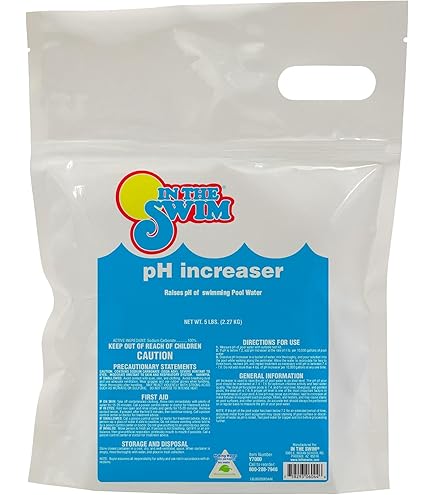
Adjust pH slowly and carefully. Add small amounts of pH increaser or decreaser to the pool. Stir the water well and wait before testing again. Avoid adding too much chemical at once to prevent sudden changes. Follow product instructions for best results.
Preventing Ph Fluctuations
Keep pH steady by testing the pool regularly. Avoid adding large amounts of chemicals at once. Use balanced pool products that maintain pH naturally. Maintain proper pool circulation and filtration. These steps reduce the need for frequent pH adjustments.
Common Myths About Pool Shocking And Ph
Pool shocking often sparks many questions about its effect on pH levels. Myths about shocking and pH can confuse pool owners. Clearing these myths helps maintain a balanced and safe pool environment. Understanding how shocking works is key to proper pool care.
Does Shocking Always Raise Ph?
Many believe shocking the pool always raises pH. This is not always true. Some pool shocks increase pH, while others do not affect it much. Calcium hypochlorite, a common shock type, can raise pH slightly. Non-chlorine shocks usually do not raise pH. Testing pH after shocking is the best way to know the effect. Each pool and shock type behaves differently.
Misconceptions About Acidic Shocks
Acidic shocks are thought to lower pH drastically. This is a common misconception. Acidic shocks use chemicals that can lower pH but only in small amounts. Overuse of acidic shocks can harm pool surfaces and equipment. Proper dosing is important to avoid big pH drops. Acidic shocks help balance high pH, but they must be used carefully. Pool water chemistry needs regular checks to keep pH stable.
Best Practices For Pool Maintenance
Maintaining a clean and safe pool requires consistent care and attention. Following best practices helps keep the water clear and balanced. Proper pool maintenance prevents issues like algae, cloudy water, and equipment damage. Simple steps can make a big difference in pool health.
Scheduling Shocks
Shocking the pool kills bacteria and removes contaminants. Do this regularly, especially after heavy use or rain. Avoid shocking too often to prevent chemical imbalance. Nighttime is best for shocking to protect sunlight-sensitive chemicals. Always follow product instructions for the right amount and timing.
Balancing Chemicals
Keep pH, alkalinity, and chlorine at correct levels. Balanced chemicals prevent irritation and equipment damage. Adjust pH after shocking if it rises or falls. Use pH increasers or decreasers to maintain a safe range. Regular balancing improves water clarity and swimmer comfort.
Regular Water Testing
Test pool water at least once a week. Use test strips or liquid kits for quick results. Check pH, chlorine, alkalinity, and calcium hardness. Record results to track changes over time. Quick testing helps catch problems before they grow.
Credit: www.swimuniversity.com
Frequently Asked Questions
Does Shocking A Pool Increase Its Ph Level?
Shocking a pool can raise pH slightly because most shock products are alkaline.
How Does Pool Shock Affect Water Acidity?
Pool shock reduces bacteria but may make water less acidic by raising pH.
Can Pool Shock Cause Ph To Become Too High?
Yes, using too much shock can push pH above the ideal range.
Should I Test Ph After Shocking My Pool?
Always test pH after shocking to keep water balanced and safe.
What Is The Best Way To Lower Ph After Shocking?
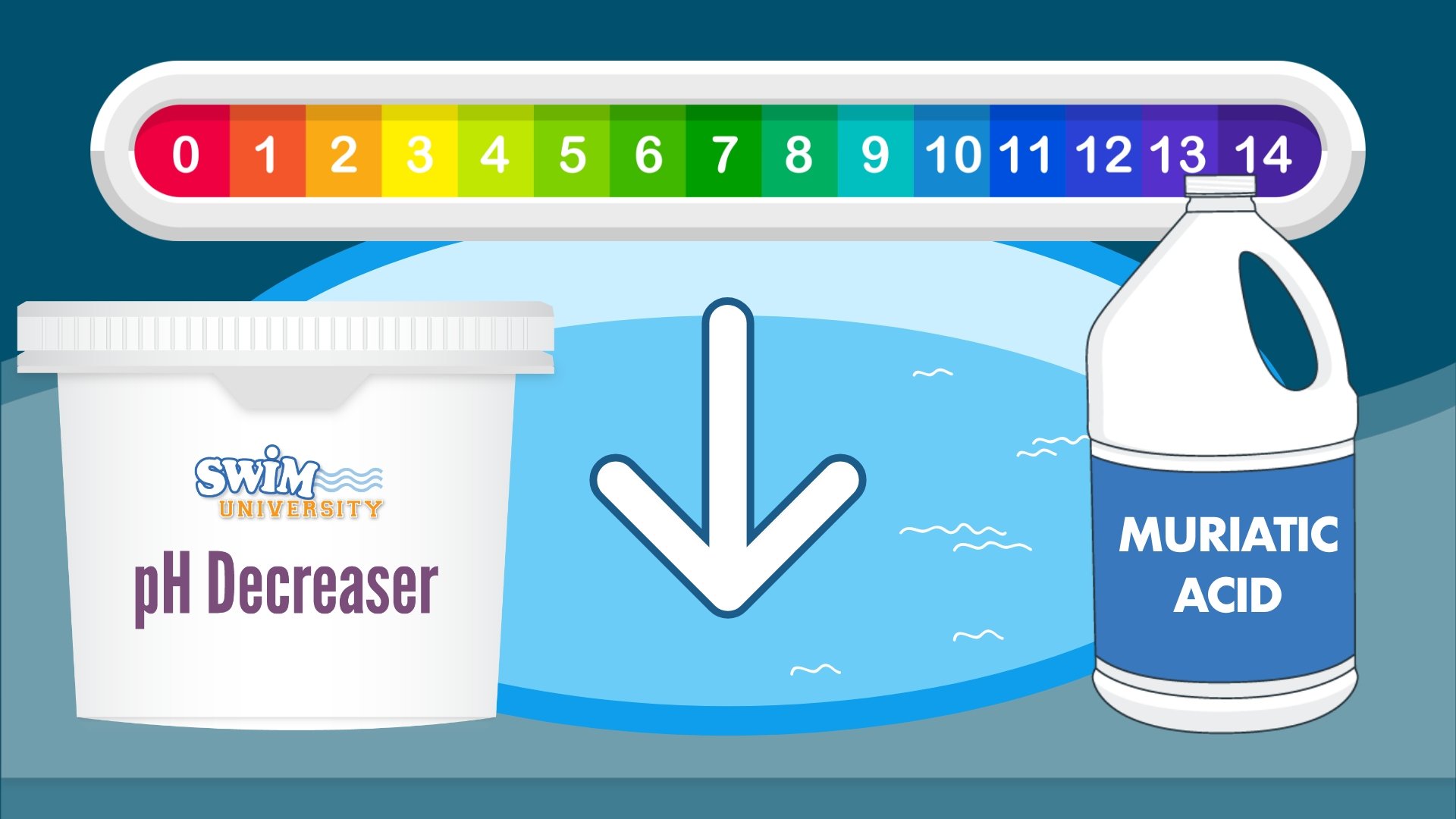
Add a pH reducer like muriatic acid or sodium bisulfate to lower pH.
How Often Should I Shock My Pool To Control Ph?
Shock your pool as needed, usually every 1-2 weeks, and check pH each time.
Conclusion
Shocking a pool does not usually raise its pH level. It mainly kills bacteria and clears cloudy water. PH changes depend on the type of shock used. Regular testing keeps pH balanced and water safe. Always add chemicals carefully and follow instructions.
Balanced pH helps protect pool surfaces and swimmers. Keep your pool clean by checking chemicals often. This simple step ensures a healthy swimming environment.