
Are you facing the challenge of connecting two horizontal drain pipes and unsure where to start? You’re not alone, and the good news is, it’s easier than you might think.
Whether you’re fixing a leak or extending your drainage system, getting the connection right is crucial to avoid costly problems down the line. In this guide, you’ll discover clear, step-by-step instructions that anyone can follow—even if you’re not a plumbing expert.
By the end, you’ll have the confidence and know-how to handle your drain pipes like a pro. Keep reading to make sure your pipes are connected securely and efficiently.
Tools And Materials Needed
Before connecting two horizontal drain pipes, gather all needed tools and materials. This step saves time and avoids mistakes. Knowing what to prepare helps the job go smoothly. Safety and accuracy depend on having the right items ready.
Essential Tools
Start with a pipe cutter or hacksaw to trim pipes. A measuring tape ensures precise length. Use a deburring tool to smooth cut edges. A pipe wrench or adjustable pliers help tighten fittings. A marker will guide your cuts and placements. Clean rags are useful for wiping pipe ends.
Pipe Types And Connectors
Identify the pipe material: PVC, ABS, or metal. Choose connectors made for that pipe type. Common connectors include couplings, slip joints, and rubber couplings. Solvent cement or pipe primer is needed for PVC pipes. Threaded connectors require plumber’s tape to seal threads. Match all parts carefully to avoid leaks.
Safety Gear
Wear safety goggles to protect your eyes from debris. Use gloves to shield your hands from sharp edges and chemicals. A dust mask helps when cutting pipes creates dust. Work in a well-ventilated area to avoid fumes. Safety first ensures a hassle-free plumbing job.

Credit: diy.stackexchange.com
Preparing The Drain Pipes
Preparing the drain pipes is the first step in connecting two horizontal pipes. It sets the foundation for a strong, leak-free joint. Proper preparation saves time and prevents common plumbing issues. Take your time to do it right.
Measuring And Marking
Measure the length of the pipes carefully. Mark the cutting points clearly with a pencil or marker. Double-check the measurements before cutting. Accurate marks ensure the pipes fit perfectly together.
Cutting The Pipes
Use a pipe cutter or a fine-toothed saw for clean cuts. Cut straight across the pipe to avoid uneven edges. Avoid jagged cuts as they cause poor seals. Smooth cuts help the pipes join tightly.
Cleaning The Pipe Ends
Remove any burrs or rough edges from the cut ends. Use sandpaper or a deburring tool for this task. Clean the pipe ends with a cloth to remove dust and dirt. Clean surfaces improve adhesive bonding and prevent leaks.
Selecting The Right Connector
Selecting the right connector is key to joining two horizontal drain pipes securely. The connector must fit well and match the pipe type. A poor choice can cause leaks or blockages. Understanding different connectors helps find the best match for your pipes.
Types Of Connectors
Connectors come in various forms. Common types include couplings, rubber sleeves, and compression fittings. Couplings join two pipes directly. Rubber sleeves offer flexibility and seal tightly with clamps. Compression fittings use a nut to compress a ring around the pipe. Each type serves different needs.
Choosing Based On Pipe Material
Pipe material influences connector choice. PVC pipes pair well with PVC couplings or rubber connectors. Metal pipes need metal or specialized compression fittings. Using the wrong connector can damage pipes or cause leaks. Match the connector material to the pipe for best results.
Ensuring Proper Fit
Measure pipe diameter carefully before buying connectors. The fit must be snug but not forced. Loose connectors lead to leaks. Tight connectors may crack pipes. Test the connection by hand before final installation. Proper fit ensures a strong, leak-free joint.
Connecting The Pipes
Connecting two horizontal drain pipes is a key step in plumbing projects. Proper connection ensures water flows smoothly without leaks. This process requires careful preparation and precise work. Follow these steps to join the pipes securely and effectively.
Applying Primer And Cement
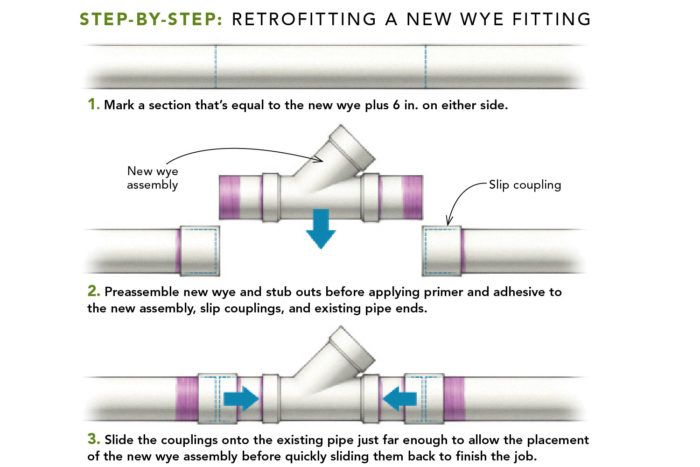
Start by cleaning the pipe ends and connectors. Use a primer designed for PVC or ABS pipes. Apply the primer evenly to the outside of the pipe and the inside of the connector. This softens the plastic, helping the cement bond better.
Next, apply a layer of cement over the primed areas. Work quickly, as the cement dries fast. Cover both the pipe end and the connector inside. Use a brush or applicator for an even coat.
Inserting Pipes Into Connectors
Push the pipe firmly into the connector. Twist slightly to spread the cement evenly. Ensure the pipe reaches the full depth of the connector. Hold it in place for about 30 seconds to secure the bond. This prevents the pipe from sliding out.
Securing The Joint
After joining, wipe away any excess cement. Check the pipe alignment carefully. Use clamps or supports if needed to keep pipes steady. Let the joint cure for the recommended time before testing with water. This step prevents leaks and ensures durability.
Testing The Connection
Testing the connection of two horizontal drain pipes is a vital step. It ensures the pipes join securely and water flows without leaks. Proper testing avoids water damage and costly repairs later. This process involves checking for leaks and adjusting the joint if needed. Both steps help confirm a reliable connection that lasts.
Checking For Leaks
Begin by running water through the pipes. Use a hose or bucket to pour water slowly. Watch the joint closely for any drips or moisture. Look under the pipes and around the connection area. Even small leaks can cause damage over time. If no water escapes, the joint is tight and secure. If you see leaks, note their location for fixing.
Adjusting The Joint If Needed
Turn off the water supply before adjusting the joint. Loosen the connection slightly to reposition the pipes. Push the pipes together firmly to improve the seal. Tighten the joint carefully, but avoid over-tightening. Over-tightening can crack the pipes or fittings. After adjusting, test the connection again. Repeat this process until no leaks appear.
Credit: www.reddit.com
Common Issues And Fixes
Connecting two horizontal drain pipes may seem simple but often brings common problems. These issues can cause leaks, blockages, or misalignment. Knowing how to spot and fix these problems saves time and money. The following sections explain common problems and easy fixes.
Dealing With Misaligned Pipes
Pipes may not line up properly due to poor measurements or ground movement. Misalignment causes leaks and poor drainage. To fix this, use flexible couplings or adjustable connectors. They bend slightly to join pipes that do not line up perfectly. Always check pipe ends for clean cuts and smooth edges before joining.
Handling Leaks
Leaks often occur at pipe joints or cracks. Check rubber seals and replace damaged ones. Tighten pipe clamps to stop small leaks. For cracked pipes, use waterproof tape as a temporary fix. Permanent repair requires replacing the damaged pipe section. Test the connection with water to ensure no leaks remain.
Preventing Future Problems
Prevent issues by using quality materials and correct pipe sizes. Avoid sharp bends in the pipe layout. Support pipes with brackets to reduce movement and stress. Clean pipes regularly to prevent blockages. Inspect joints and seals yearly and replace worn parts. Proper care keeps the drain system working well for years.
Credit: www.finehomebuilding.com
Frequently Asked Questions
How Do I Join Two Horizontal Drain Pipes Securely?
Use a proper coupling or connector designed for drain pipes. Ensure the ends are clean before fitting them together tightly.
What Tools Are Needed To Connect Horizontal Drain Pipes?
You typically need a pipe cutter, a coupling, primer, and PVC cement. Gloves and safety glasses are also helpful.
Can I Connect Different Pipe Materials In Horizontal Drains?
Yes, but use a special adapter made for joining different materials. This prevents leaks and ensures a strong seal.
How Do I Prevent Leaks When Connecting Drain Pipes?
Clean the pipe ends thoroughly and apply primer before cement. Tighten the coupling firmly to avoid gaps.
Is It Necessary To Slope Horizontal Drain Pipes?
Yes, a slight slope helps water flow smoothly and prevents blockages. Aim for a 1/4 inch drop per foot.
How Long Does It Take For Drain Pipe Cement To Dry?
Usually, it takes about 15 minutes to set and 2 hours to cure fully. Avoid water flow during this time.
Can I Connect Horizontal Drain Pipes Without Professional Help?
Yes, with basic tools and careful work, most can do it. Follow instructions closely to ensure a proper seal.
Conclusion
Connecting two horizontal drain pipes is easier than it seems. Use the right tools and fittings for a secure join. Make sure pipes align well and slope slightly to help water flow. Tighten connections to avoid leaks. Test the setup by running water through the pipes.
Fix any leaks you find before finishing. Taking these simple steps saves time and prevents future problems. You can handle this task with confidence and keep your drainage working smoothly.