
Is your pool liner not sitting snug against the wall? This common problem can cause wrinkles, leaks, and even damage to your pool.
If you’ve noticed gaps or folds where the liner should be tight, you’re probably wondering what went wrong and how to fix it. Don’t worry—understanding why your pool liner isn’t against the wall is the first step to saving your pool and enjoying smooth, clear water again.
Keep reading to discover simple solutions that will help you get your liner perfectly in place.
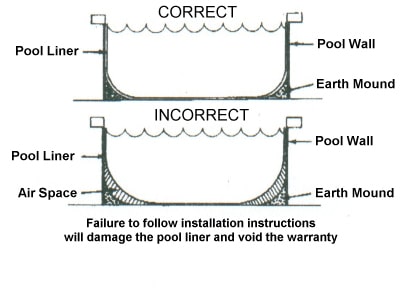
Credit: www.poolwarehouse.com
Common Causes Of Misalignment
Pool liners that do not sit properly against the wall can cause many problems. Understanding the common causes of this misalignment helps in fixing the issue quickly. The liner must fit well to avoid wrinkles and leaks.
Improper Installation Techniques
Poor installation is a main reason for liner misalignment. If the liner is not stretched evenly, it will not lie flat. Rushing the process can cause folds and gaps between the liner and wall. Careful handling and correct steps are essential.
Incorrect Liner Size
A liner that is too small or too large will not fit correctly. A small liner will pull away from the wall, while a large one will bunch up. Always measure the pool accurately before buying the liner.
Wall Surface Issues
The pool wall must be smooth and clean for the liner to stick well. Rough or damaged walls prevent the liner from sitting flush. Dirt and debris trapped behind the liner can create gaps.
Water Pressure Effects
Water pressure pushes the liner against the wall. Uneven pressure causes the liner to shift or peel away. Proper water levels and balanced pressure keep the liner stable.

Credit: abovegroundpros.com
Tools And Materials Needed
Fixing a pool liner that does not sit against the wall requires specific tools and materials. Having the right items helps make the repair faster and more effective. This section lists the necessary tools, adhesives, and safety gear.
Essential Repair Tools
Start with a utility knife to trim loose liner edges. A pool liner roller or flat tool helps press the liner firmly against the wall. Use a measuring tape to check liner placement and fit. A soft brush or cloth cleans the area before repair. A heat gun can soften the liner for easier adjustment.
Recommended Adhesives And Sealants
Choose a pool liner adhesive designed for vinyl surfaces. This glue bonds the liner to the wall securely. Use a waterproof sealant to close any gaps and prevent leaks. Make sure the adhesive and sealant are safe for pool use and resist water pressure.
Safety Equipment
Wear gloves to protect your hands from sharp edges and chemicals. Safety goggles shield your eyes during cleaning and gluing. A mask helps avoid inhaling fumes from adhesives or sealants. Always work in a well-ventilated area to reduce health risks.
Step-by-step Alignment Fixes
Fixing a pool liner that does not sit against the wall is a common task. It takes patience and careful steps. Follow these easy steps to realign your pool liner correctly. This will help prevent leaks and keep your pool looking neat.
Draining And Preparing The Pool
Start by lowering the water level below the liner. Make sure it is low enough to expose the liner edges. Remove any debris or dirt from the pool walls. This prevents damage and helps the liner stick better. Check the liner for any holes or tears before proceeding.
Adjusting The Liner Position
Gently pull the liner away from the wall. Move it evenly around the pool’s edge. Avoid pulling too hard to stop tears. Align the liner so it fits snugly against the pool walls. Use a pool vacuum to hold the liner in place if needed.
Smoothing Wrinkles And Bubbles
Press down on the liner to remove air pockets. Use a soft broom or a pool brush to smooth wrinkles. Start from the bottom and work upward. Small bubbles can be pushed out gently with your hands. This step helps the liner settle flat and tight.
Securing The Liner To The Wall
Use the pool’s coping strip or track to lock the liner in place. Make sure the liner edge fits evenly into the track. Double-check for any loose spots along the pool walls. Tighten the liner by adjusting the track clips as needed. This keeps the liner secure and prevents slipping.
Preventing Future Liner Misalignment
Preventing future liner misalignment is key to keeping your pool in great shape. A liner that does not sit correctly against the wall can cause damage and increase repair costs. Taking simple steps can help avoid these problems.
Routine care and attention maintain the liner’s position. Proper filling methods reduce stress on the liner. Selecting the right liner size ensures a perfect fit.
Regular Maintenance Tips
Check the liner often for wrinkles or shifts. Remove debris that can catch under the liner edges. Keep the pool water balanced to prevent liner stretching. Smooth out any folds gently to keep the liner snug.
Proper Pool Filling Techniques
Fill the pool slowly to avoid sudden pressure on the liner. Keep water levels steady during filling. Avoid overfilling, which can push the liner away from the walls. Use a hose with a diffuser to spread water evenly.
Choosing The Right Liner Size
Measure your pool carefully before buying a liner. Select a liner slightly larger for easier fitting. Avoid liners that are too tight or too loose. A well-fitted liner stays against the walls better.
When To Call A Professional
Knowing when to call a professional for a pool liner not against the wall can save time and money. Small issues might look easy to fix. But some problems need expert help to avoid bigger damage. Hiring a professional ensures your pool stays safe and lasts longer.
Signs Of Severe Damage
Look for large tears or holes in the liner. Wrinkles that do not smooth out might mean serious trouble. Water leaking from the pool base shows the liner may be damaged. If the liner detaches from the wall, it could cause structural problems.
Complex Repairs Beyond Diy
Some repairs need special tools and skills. Fixing large liner sections or replacing parts often requires experience. Professionals know how to handle tricky corners and tight spaces. DIY attempts on complex fixes can cause more damage or waste materials.
Cost Considerations
Professional repairs may seem expensive at first. But they prevent costly future repairs or full liner replacement. Experts work faster and use the right materials. This reduces the risk of errors and saves money over time.

Credit: www.troublefreepool.com
Frequently Asked Questions
Why Is My Pool Liner Not Sitting Against The Wall?
A loose pool liner often means air or water is trapped between liner and wall.
How To Fix A Pool Liner That’s Not Flush With The Wall?
Release trapped air or water by gently pulling liner and smoothing it out.
Can A Misaligned Pool Liner Cause Damage?
Yes, it can cause wrinkles, leaks, or liner tears if left uncorrected.
How Long Does A Pool Liner Stay Tight Against The Wall?
With proper installation, a liner should stay tight for several years.
Does Temperature Affect The Pool Liner’s Fit Against The Wall?
Yes, heat can expand the liner, causing it to loosen temporarily.
When Should I Call A Professional For Liner Issues?
Call a pro if wrinkles or gaps don’t fix after adjusting the liner.
Conclusion
A pool liner not fitting against the wall can cause many problems. It may lead to leaks, wrinkles, or damage over time. Fixing the liner quickly helps keep your pool safe and clean. Check the liner regularly to catch issues early.
Small repairs save money and stress later. Proper installation matters a lot. Take time to adjust the liner carefully for a smooth fit. A well-fitted liner keeps your pool looking great and lasting longer. Don’t ignore signs of poor fitting—it affects your swimming experience.