
If you own a pool, you know how important it is to protect your plumbing during the cold months. Blowing out your pool lines prevents costly freeze damage.
But how do you choose the right size air compressor for the job? Picking the wrong one can waste your time or even cause damage. In this guide, you’ll discover exactly what size air compressor you need to blow out your pool lines safely and effectively.
Keep reading to make sure your pool is ready for winter without any hassle.
Credit: intheswim.com
Choosing The Right Air Compressor
Choosing the right air compressor to blow out pool lines is important. The wrong size can cause damage or not clear the lines properly. This guide helps you understand what to look for in an air compressor. You will learn about key factors and common types of compressors. This helps make a safe and effective choice.
Key Factors To Consider
First, check the pressure rating. Pool lines need enough pressure to push water out. Most require about 30 to 50 PSI. Too much pressure can damage pipes. Too little leaves water inside.
Second, look at the airflow rate. This is measured in CFM (cubic feet per minute). Higher CFM means faster blowing. Usually, 4 to 6 CFM works well for pool lines.
Third, consider the power source. Electric compressors are common and quiet. Gas compressors offer more power but are noisy and require fuel.
Finally, think about the tank size. A bigger tank holds more air for longer blowing. Small tanks may need frequent refills during the job.
Common Compressor Types
Portable pancake compressors are lightweight and easy to use. They work for small to medium pool lines. They often have small tanks and moderate pressure.
Hot dog compressors have a horizontal tank. They provide steady airflow and higher pressure. Good for bigger pools or longer lines.
Stationary compressors are large and powerful. Used in professional pool maintenance. They offer high PSI and CFM but are expensive and heavy.
Pool Line Specifications
Understanding pool line specifications helps choose the right air compressor size. These specifications affect how much pressure is needed to clear water from the pipes. Knowing the pipe diameter, length, and material helps prevent damage and ensures efficient blowing.
Pipe Diameter And Length
Pipe diameter directly affects air volume needed to clear lines. Larger pipes require more air to push water out. Longer pipes increase resistance, needing higher pressure for effective blowing.
Measure pipe diameter and length before selecting an air compressor. This helps match compressor capacity to pool line needs. Small diameter pipes need less air volume but more pressure.
Material And Temperature Effects
Pipe material impacts how much pressure the lines can handle. PVC pipes are common but can crack if pressure is too high. Flexible materials may need gentler air pressure to avoid damage.
Temperature changes affect pipe flexibility and pressure tolerance. Cold pipes become brittle and more prone to cracking. Use lower pressure in cold weather to protect your pool lines.
Required Air Pressure And Flow
To blow out pool lines effectively, the air compressor must deliver the right pressure and flow. These two factors work together to clear water from pipes without causing damage. Too little pressure leaves water behind, risking frozen pipes in cold weather. Too much pressure can crack the lines. Understanding the required air pressure and flow helps you choose the correct air compressor size. This section explains the basic PSI and CFM needs for pool line blowouts.
Psi Needs For Pool Lines
PSI stands for pounds per square inch, measuring air pressure. Pool lines generally require around 30 to 50 PSI. This pressure is enough to push water out without harming the pipes. Most residential pool lines handle 50 PSI safely. Avoid exceeding this level to prevent pipe damage. Some larger or longer lines might need pressure closer to 50 PSI. Smaller lines can work fine with pressure closer to 30 PSI.
Cfm Requirements Explained
CFM means cubic feet per minute and shows how much air flows from the compressor. A steady airflow is necessary to push water through pool lines quickly. Usually, 4 to 6 CFM is enough for most pool lines. Higher CFM helps clear longer or wider pipes faster. If the airflow is too low, water will drain slowly or remain in the lines. Choose a compressor that can deliver consistent CFM at the right PSI for best results.

Credit: www.youtube.com
Calculating Compressor Size
Choosing the right air compressor size is key to safely and effectively blowing out pool lines. The compressor must provide enough power without causing damage or wasting energy. Calculating the correct size depends on two main factors: pressure (PSI) and airflow (CFM). Understanding these helps to select a compressor that fits your pool system’s needs.
Matching Psi And Cfm
PSI means pounds per square inch, showing how much pressure the compressor produces. CFM means cubic feet per minute, showing how much air flows through the system. Both must match your pool lines’ requirements to clear water properly.
Too low PSI won’t push water out fully. Too low CFM means air won’t flow enough to clear long pipes. Check your pool manual or measure the pipe size to know the needed PSI and CFM. Choose a compressor that meets or slightly exceeds these numbers for best results.
Safety Margins And Efficiency
Adding a safety margin helps protect pool pipes and the compressor. Pick a compressor with about 10-20% more PSI and CFM than needed. This margin prevents strain during the blowout process.
A compressor that is too large wastes energy and costs more. A smaller one may overwork and fail. Aim for a balance between enough power and energy use. Proper sizing keeps your pool safe and your compressor running well.
Recommended Compressor Models
Choosing the right air compressor is key to blowing out pool lines safely and efficiently. The correct size and power ensure water clears out quickly. This prevents freezing damage during cold months. Below are some recommended compressor models. They fit different budgets and needs. Each option works well for pool line maintenance.
Budget-friendly Options
For homeowners on a budget, small portable compressors work well. Models with 1.5 to 2 horsepower and around 4 to 6 gallons tank size are ideal. These compressors provide enough air pressure to clear most pool lines. They are lightweight and easy to store. Brands like Porter-Cable and California Air Tools offer reliable budget models. These compressors run quietly and consume less power. Perfect for occasional use and small pools.
Professional Grade Choices
Professional-grade compressors suit large pools or frequent use. They have higher horsepower, usually 3 to 5 HP, and larger tanks around 20 gallons or more. These models deliver stronger airflow and longer run times. They clear pool lines faster and handle bigger pipes. Well-known brands include Ingersoll Rand and DeWalt. These compressors are built for durability and heavy-duty work. Ideal for pool professionals or serious DIYers.
Tips For Effective Pool Line Blowout
Blowing out pool lines is essential to prevent damage during cold weather. Proper technique saves pipes from freezing and cracking. Use the right air compressor size and follow clear steps. These tips ensure an effective and safe pool line blowout.
Preparing Your Pool System
Start by turning off the pool pump and power. Drain all water from the pool equipment and lines. Remove pool drain plugs carefully. Open all valves to allow air to flow through the pipes. Check the air compressor hose and fittings. Make sure they are clean and free of damage. Wear safety glasses and gloves for protection.
Step-by-step Blowout Process
Attach the air compressor to the main drain or skimmer line. Set the compressor pressure between 30 and 50 psi. Turn on the compressor and blow air into the lines in short bursts. Watch for water coming out of return lines and valves. Move the hose to each line until no water appears. Do not exceed recommended pressure to avoid pipe damage. Close the valves and remove the compressor hose. Replace drain plugs and cover the pool for winter.
Common Mistakes To Avoid
Using an air compressor to blow out pool lines is a common task for pool owners. Doing it right protects your pipes and equipment. Avoiding mistakes can save you money and prevent damage. Below are some common errors to watch out for during this process.
Over-pressurizing Pipes
Applying too much air pressure can crack or burst pool pipes. Pipes are designed for limited pressure. Use an air compressor with the right size and pressure settings. Check your pool’s manual for recommended pressure limits. Always start with lower pressure and increase slowly if needed. Avoid rushing the process to keep pipes safe.
Ignoring Compressor Maintenance
Dirty or poorly maintained compressors can cause problems. Clogged filters reduce airflow and pressure control. Check and clean filters before each use. Regularly inspect hoses and fittings for leaks or cracks. Proper maintenance ensures consistent performance and extends compressor life. Neglecting upkeep can lead to equipment failure during pool line blow out.

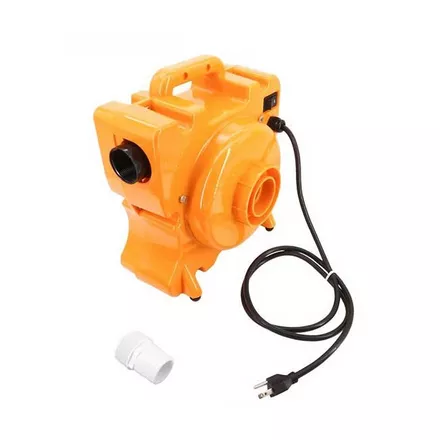
Credit: www.amazon.com
Frequently Asked Questions
What Size Air Compressor Is Needed To Blow Out Pool Lines?
A 5 to 8 horsepower air compressor with 20-30 CFM at 90 PSI usually works well.
Can A Small Air Compressor Effectively Clear Pool Plumbing?
Small compressors often lack enough pressure or airflow to fully clear water from lines.
How Does Psi Affect Blowing Out Pool Lines?
Higher PSI pushes water out faster but must be safe for pipes and fittings.
Is Cfm Important For Pool Line Air Compressors?
Yes, CFM controls how much air moves, helping to clear longer or wider pipes.
Can I Use A Tire Inflator To Blow Out Pool Lines?
Tire inflators have low CFM and PSI, so they usually can’t clear pool lines fully.
How Long Should I Run The Air Compressor On Pool Lines?
Run air until no water comes out, usually 1-3 minutes per line is enough.
Conclusion
Choosing the right air compressor size protects your pool pipes from damage. A small compressor may not clear all water, while a too-large one can cause harm. Aim for a compressor with about 5 to 10 CFM at 90 PSI for most pools.
This size balances power and safety well. Properly blowing out pool lines helps prevent freezing and costly repairs. Take time to check your pool’s needs before buying. This simple step saves money and keeps your pool ready for the next season.