
Is your pool pump losing pressure when vacuuming? You’re not alone, and it’s a common problem that can turn a simple cleaning task into a frustrating chore.
When your pump struggles to keep up, your vacuum won’t work properly, leaving dirt and debris behind. But why does this happen, and more importantly, how can you fix it? You’ll discover the key reasons behind pressure loss and easy steps to get your pool pump running smoothly again.
Keep reading—you’ll save time, avoid costly repairs, and enjoy a sparkling clean pool with less effort.
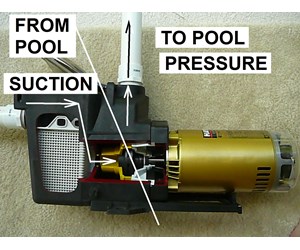
Credit: www.inyopools.com
Common Causes Of Pressure Loss
Pressure loss in a pool pump during vacuuming is a common problem. It causes the pump to work less efficiently. Many reasons can cause this issue. Understanding these causes helps to fix the problem fast. Here are the most common causes of pressure loss in pool pumps.
Clogged Skimmer Or Pump Basket
Leaves, dirt, and debris can block the skimmer or pump basket. This blockage stops water from flowing freely. The pump loses pressure because it cannot pull enough water. Regular cleaning of these baskets keeps the water flow steady.
Air Leaks In Suction Line
Air can enter the suction line through cracks or loose fittings. Air leaks reduce the pump’s ability to create pressure. The pump may sound noisy or lose prime. Checking all seals and connections prevents air from entering.
Blocked Or Dirty Filter
A dirty or clogged filter restricts water flow. This makes the pump work harder and lowers pressure. Cleaning or replacing the filter regularly is essential. A clean filter ensures smooth water movement and proper pressure.
Obstructed Pool Vacuum Hose
The vacuum hose can get kinked or blocked with debris. This stops water from moving through the hose. Pressure drops because the pump cannot pull water efficiently. Straightening the hose and removing blockages restores flow.
Impeller Issues
The impeller moves water through the pump. If it is clogged or damaged, pressure will drop. Small debris can jam the impeller blades. Checking and cleaning the impeller helps maintain strong pump pressure.

Credit: www.youtube.com
Diagnosing The Pressure Drop
Diagnosing a pressure drop in your pool pump while vacuuming helps find the problem fast. Pressure loss means the pump struggles to pull water through the system. This makes vacuuming less effective and can damage the pump. Several common issues cause pressure drops. Checking these areas saves time and money.
Checking Pump Basket And Skimmer
Start by looking at the pump basket and skimmer. Clear out any leaves, hair, or debris. A clogged basket blocks water flow. This causes the pump pressure to drop. Remove the basket, clean it, and replace it properly. Make sure the skimmer basket is also free from dirt. Proper cleaning here improves water suction immediately.
Inspecting For Air Leaks
Air leaks reduce pressure inside the pump system. Check all pump lid gaskets for cracks or damage. Tighten the pump lid securely. Look at the pipe fittings and seals for loose or broken parts. Even small air bubbles entering the system cause pressure to fall. Fix any leaks by replacing worn parts or tightening connections.
Monitoring Filter Pressure Gauge
The filter pressure gauge shows how hard the pump works. Watch the gauge while vacuuming. A low or fluctuating reading signals a problem. Clean or backwash the filter if pressure is too high. Too low pressure suggests clogs or air leaks. Use the gauge to guide your next steps in fixing the pressure drop.
Examining Vacuum Hose And Attachments
Inspect the vacuum hose and attachments for holes or cracks. Damaged hoses let air in, lowering pressure. Check hose connections to the pump and vacuum head. Make sure they fit tightly with no gaps. Replace any worn or broken parts. Secure attachments improve suction and keep pressure steady.
Quick Fixes To Restore Pressure
Pool pumps lose pressure during vacuuming due to common issues. Quick fixes can restore flow and improve cleaning power fast. These simple steps help maintain your pump’s efficiency and save time. Follow each fix carefully to bring back strong suction.
Cleaning Or Replacing Pump Basket
Debris in the pump basket blocks water flow. Remove the basket and clear out leaves and dirt. Check for cracks or damage. Replace the basket if broken. A clean basket lets water pass freely and keeps pressure steady.
Sealing Air Leaks Effectively
Air leaks reduce pump pressure and cause loss of suction. Inspect all seals and gaskets around the pump lid and connections. Tighten loose fittings and replace worn seals. Proper sealing stops air from entering the system.
Backwashing Or Cleaning Filter
A dirty filter restricts water flow and lowers pressure. Backwash sand or DE filters to clear trapped dirt. Clean cartridge filters by rinsing or replacing if clogged. Regular filter care helps maintain steady pressure.
Clearing Vacuum Hose Blockages
Blockages in the vacuum hose slow water flow and reduce pressure. Disconnect the hose and look for clogs or bends. Flush the hose with water or use a long brush to clear debris. Clear hoses improve suction power.
Checking And Repairing Impeller
The impeller drives water through the pump. Check for debris or damage inside the pump housing. Remove obstructions and repair or replace a broken impeller. A smooth-running impeller restores proper pressure quickly.

Credit: www.youtube.com
Preventive Tips To Avoid Pressure Loss
Preventing pressure loss in your pool pump during vacuuming is key to keeping your pool clean and your equipment running well. Simple steps can help avoid common problems. These tips save time and money by stopping issues before they start.
Regular Maintenance Schedule
Set a regular maintenance plan for your pool pump and filter. Clean the pump basket and skimmer often. Check and replace the filter cartridge or backwash the filter as needed. This keeps water flowing freely and maintains strong pressure.
Proper Vacuuming Techniques
Use the correct vacuum hose size and length. Avoid kinks or sharp bends in the hose. Start vacuuming with the pump on a low speed to prevent sudden pressure drops. Move the vacuum head slowly to avoid stirring up too much debris at once.
Routine Equipment Inspections
Inspect pump seals, o-rings, and connections for leaks or wear. Tighten any loose fittings. Look for cracks or damage on the pump housing. Early detection of problems helps maintain steady pressure and prevents bigger repairs later.
Using Quality Replacement Parts
Choose high-quality parts designed for your pump model. Cheap parts may wear out faster and cause leaks. Genuine parts fit better and last longer. This keeps your pump running smoothly and pressure consistent during vacuuming.
Frequently Asked Questions
Why Is My Pool Pump Losing Pressure While Vacuuming?
Low pressure during vacuuming often means air leaks or clogged filters in the pump system.
How Can Clogged Filters Cause Pressure Loss In Pool Pumps?
Clogged filters block water flow, making the pump work harder and lose pressure.
Can Air Leaks In The Suction Line Reduce Pump Pressure?
Yes, air leaks let air in, causing the pump to lose suction and drop pressure.
Does A Dirty Pool Pump Basket Affect Vacuum Pressure?
A dirty basket restricts water flow, leading to lower pressure and poor vacuum performance.
How Often Should I Check My Pool Pump For Pressure Issues?
Check pump pressure weekly to catch problems early and keep your vacuum working well.
Can A Faulty Pump Impeller Cause Loss Of Vacuum Pressure?
A damaged impeller reduces water movement, causing the pump to lose pressure during vacuuming.
Conclusion
A pool pump losing pressure during vacuuming can cause cleaning problems. Check for clogs or leaks in pipes and hoses. Clean or replace dirty filters to keep water flow strong. Make sure the pump basket is clear of debris. Small fixes can improve pump pressure quickly.
Regular maintenance helps your pool stay clean and healthy. Keep an eye on pressure levels while vacuuming. Taking these steps saves time and effort in the long run. Your pool will look better and run smoother with proper care.