
Are you struggling to locate your buried well pressure tank? It can be frustrating when you need to check or repair it but have no idea where it’s hidden underground.
Knowing exactly where your pressure tank is can save you time, money, and a lot of hassle. In this guide, you’ll discover simple, effective ways to find that hidden tank quickly and with minimal effort. Keep reading, and you’ll learn the tips and tricks that make this task easier than you ever thought possible.
Signs Of A Buried Well Pressure Tank
Finding a buried well pressure tank can be tricky without clear signs. These tanks sit underground to keep your water system working smoothly. Knowing what to look for helps you locate it faster and avoid damage during yard work.
Signs of a buried well pressure tank often show up around your home. Some are visible in your yard, while others come from sounds or water pressure changes. Paying attention to these clues can guide you right to the tank’s spot.
Common Indicators In Your Yard
Look for a small, flat metal or plastic cover on the ground. It may be round or square and often blends with the soil or grass. The cover is usually near the house or where the well pipe enters the home.
There might be a slight depression or uneven ground around the cover. Sometimes, the grass grows differently over the tank, showing a different color or thickness. These changes hint at the tank’s location below.
Detecting Unusual Sounds
Listen for a humming or vibrating noise coming from the yard. This sound often comes from the pump or pressure tank working underground. The noise may be faint but steady, especially when water is in use.
Sometimes, you hear a clicking or tapping sound when the pump turns on or off. These noises help indicate the tank’s presence and its location. They usually come from the area where the cover lies.
Changes In Water Pressure
Notice any sudden drops or spikes in your water pressure. These changes can mean the pressure tank is buried and not working properly. The tank helps keep water pressure steady, so fluctuations are a key sign.
Low water pressure or water that stops suddenly often points to tank issues. This can mean the tank needs checking or that it is buried nearby. Tracking these changes helps narrow down where to search.

Credit: www.youtube.com
Tools Needed For Location
Finding a buried well pressure tank requires some basic tools. These tools help locate the tank safely and efficiently. Knowing which tools to use saves time and effort. Below are the essential tools for this task.
Metal Detectors And Their Use
Metal detectors help find metal objects underground. A well pressure tank usually has metal parts. Using a metal detector can show the tank’s location by detecting metal signals. Sweep the area slowly and evenly. Mark spots where the metal detector beeps. This method works best in areas with little metal debris.
Soil Probes And Inspection Rods
Soil probes and inspection rods are useful to check underground objects. Push the probe gently into the ground. It helps find hard or solid objects like tanks. Probes give a sense of depth and size. Use them carefully to avoid damaging the tank or pipes. They are simple and effective for close inspection.
Using Maps And Property Records
Maps and property records show where wells and tanks were installed. Look for well locations on old maps or blueprints. Property records may have details about the well system. This information narrows down the search area. Combining maps with tools like metal detectors improves accuracy. Always check available documents before starting the search.
Step-by-step Locating Process
Finding a buried well pressure tank takes careful steps. Start by knowing where to look. Follow a clear process to avoid damage. This guide helps you find the tank safely and quickly.
Checking Near The Wellhead
Begin your search near the wellhead. The pressure tank is often close by. Look for pipes or covers in the ground. Check for any signs of recent digging or repairs. Clear away leaves or debris to see better.
Scanning With A Metal Detector
Use a metal detector to locate the tank’s metal parts. Move the detector slowly over the ground. Listen for a steady beep or signal. Mark spots with a strong signal. This helps narrow down the tank’s exact position.
Marking And Digging Safely
Mark the area with flags or spray paint. Dig carefully using hand tools at first. Avoid using heavy equipment until you know the tank’s location. Keep pipes and wires in mind while digging. Stop if you hit resistance and reassess.
Safety Tips While Digging
Digging to find a buried well pressure tank requires care and attention. Safety is important to avoid accidents and damage. Following proper safety tips can protect you and your property during the digging process.
Understanding risks and preparing well helps complete the job smoothly. Use safe methods and tools to reduce hazards. Wear the right gear to stay protected.
Avoiding Utility Lines
Always check for underground utility lines before digging. Call your local utility company to mark pipes and cables. This step prevents hitting gas, water, or electrical lines.
Digging near utility lines is dangerous and costly. Stay clear of marked areas and use hand tools close to lines. Avoid large machines around these zones.
Proper Digging Techniques
Start digging slowly with small tools to locate the tank. Use a shovel carefully and avoid sharp, deep strikes. Keep the digging area tidy to prevent slips and falls.
Do not rush the process. Take breaks to stay alert. If soil is loose or wet, dig with extra caution to avoid cave-ins.
Protective Gear Recommendations
Wear sturdy gloves to protect your hands from cuts and blisters. Use safety glasses to shield your eyes from dirt and debris.
Wear a hard hat if digging in areas with overhead hazards. Sturdy boots with good grip prevent slips and foot injuries. Dress in long sleeves and pants to avoid scrapes.
Maintaining Your Pressure Tank
Maintaining your buried well pressure tank is key to a reliable water system. Regular care keeps the tank working well and avoids costly repairs. Simple checks and basic steps extend the tank’s life. Understanding what to look for helps catch issues early. A well-maintained tank ensures steady water pressure and saves money over time.
Regular Inspections
Check your pressure tank at least twice a year. Look for leaks, rust, or dents on the tank’s surface. Listen for unusual noises from the pump or tank. Test the pressure gauge to see if it shows the correct reading. Any sudden change in water pressure means a check is needed. Early detection stops small problems from growing.
Preventing Corrosion
Corrosion can damage your buried tank quickly. Keep the tank area dry and clear of dirt and debris. Apply a rust-resistant paint or coating to the tank’s exterior. Use a protective cover to shield the tank from moisture. Inspect the tank’s anode rod if it has one and replace it when worn. These steps help slow down rust and keep the tank strong.
When To Call A Professional
Some problems need expert help. Call a professional if you find major leaks or damaged parts. Pressure swings or frequent pump cycling also require a technician’s attention. Avoid trying complex repairs yourself to prevent more damage. A pro can test the tank’s air pressure and perform needed fixes safely. Regular professional checks keep your system in top shape.
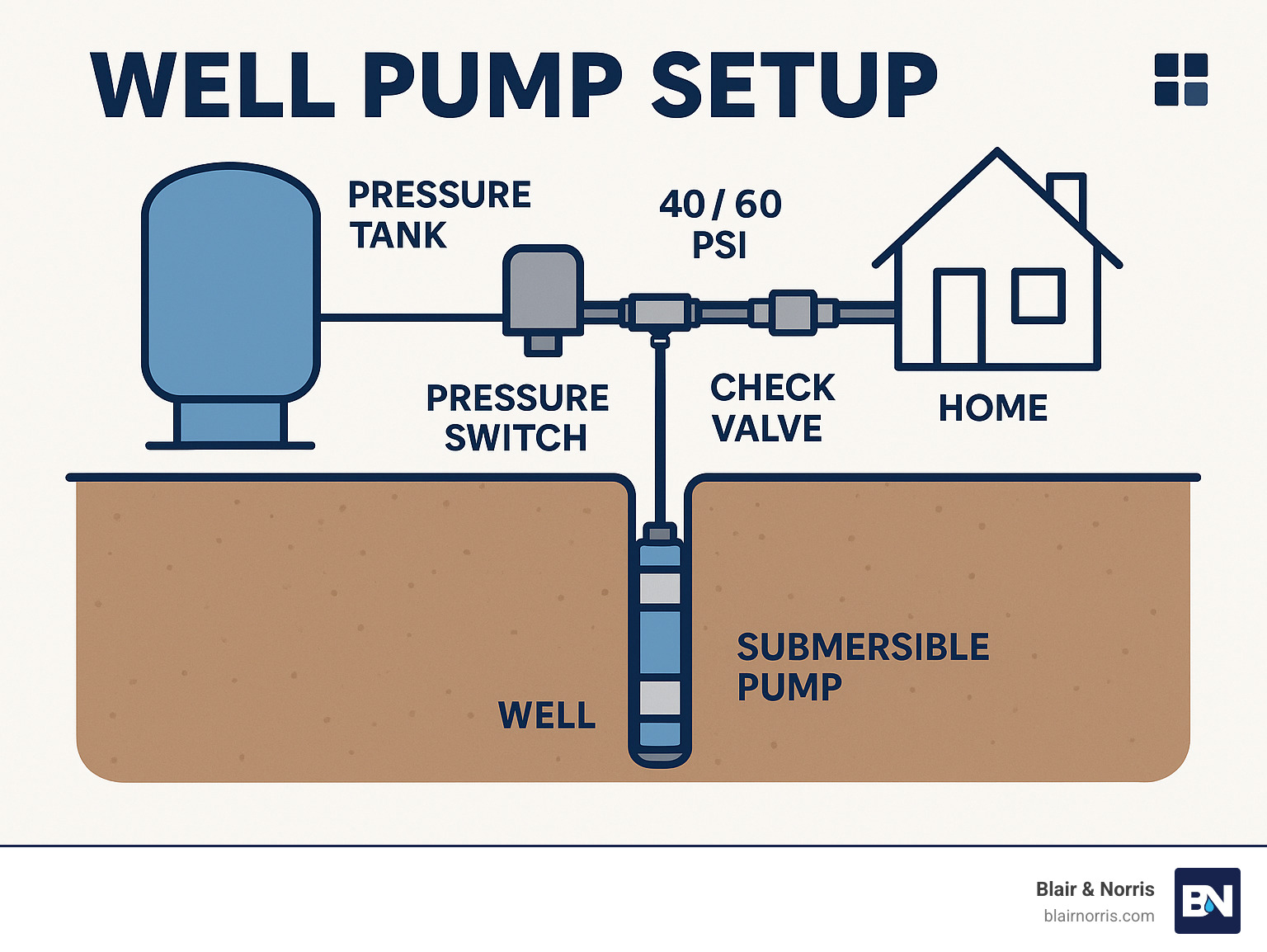
Credit: blairnorris.com

Credit: forum.nachi.org
Frequently Asked Questions
How Can I Locate A Buried Well Pressure Tank?
Look for water pipes leading from the well house or basement. Check near the well head or underground utility areas.
What Tools Help Find A Buried Pressure Tank?
A metal detector or pipe locator works well. These tools detect metal parts or pipes underground.
How Deep Are Typical Buried Well Pressure Tanks?
Most tanks are buried 3 to 5 feet underground. Depth depends on local frost lines and soil type.
Can I Find A Pressure Tank Using Sound?
Tapping pipes and listening for hollow sounds helps. It indicates empty spaces where the tank might be.
Why Is It Important To Find A Buried Pressure Tank?
Knowing the tank’s location helps with maintenance and repairs. It prevents damage during yard work or digging.
What Signs Show A Buried Pressure Tank Is Nearby?
Look for water pressure changes or wet spots. These signs might mean the tank is under that area.
Should I Hire A Professional To Find The Pressure Tank?
Professionals have the right tools and experience. They can locate the tank safely and quickly.
Conclusion
Finding a buried well pressure tank takes patience and careful steps. Start by checking near the well or water source. Use a metal detector or listen for sounds of water flow. Mark spots that seem promising and dig cautiously. Knowing where the tank lies helps keep your water system working well.
Take your time and stay safe while searching. This simple guide can make the process easier and less stressful. Keep these tips in mind for a successful find.