
Are you wondering if your washer and shower can share the same drain? It’s a common question that many homeowners face when dealing with tight spaces or plumbing updates.
You might think combining drains could save time and money, but is it really a smart move for your home? Keep reading to discover the truth behind shared drains, what you need to watch out for, and how to make the best decision for your plumbing setup.
By the end, you’ll feel confident about whether this setup works for you—or if there’s a better way to handle your drains.

Credit: diy.stackexchange.com
Drainage Basics
Understanding drainage basics helps to know if a washer and shower can share the same drain. Drainage moves water away from your home safely. It keeps your space dry and prevents damage.
Drain systems use pipes to carry wastewater to the sewer or septic tank. The design of these pipes affects how well water flows and avoids blockages. Knowing how drains work makes it easier to plan your home’s plumbing.
How Drain Systems Work
Drain systems collect water from sinks, showers, and washers. Pipes carry this water through your home. The water flows downhill due to gravity. Pipes connect to larger main drains. These main drains lead to sewer lines or septic tanks.
Traps under sinks and showers hold water. This water blocks bad smells from coming back into your home. Vent pipes allow air into the system. Air helps water flow smoothly and stops pressure build-up.
Types Of Drains In Homes
Homes use different types of drains for various needs. Waste drains carry water from showers, sinks, and washers. They handle dirty water and soap. Soil drains carry waste from toilets. These drains handle solid waste and need to be stronger.
Storm drains remove rainwater from roofs and yards. They keep water away from your home’s foundation. Each type has a specific role. Mixing them incorrectly can cause problems like clogs or backups.
Washer And Shower Drain Requirements
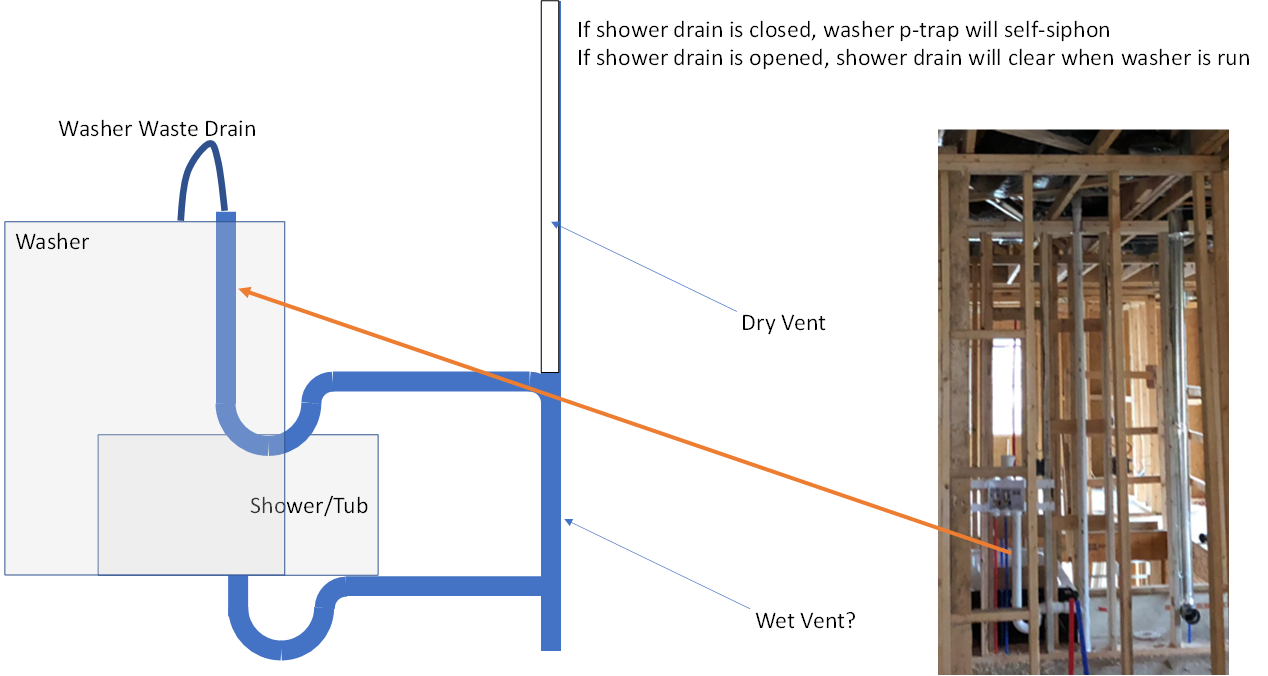
A washer and shower can share the same drain if plumbing codes allow it. Proper venting and trap installation are important to avoid clogs. Always check local rules before combining drains.
Water Volume And Flow Rates
Washers and showers release different amounts of water. Showers usually have a steady flow, about 2.5 gallons per minute. Washers drain water in bursts during cycles. These bursts can be much stronger than shower flow.
Drain pipes must handle both steady and sudden water flows. If pipes are too small, water can back up. This causes slow draining or flooding. Correct pipe size ensures water flows smoothly from both fixtures.
Trap And Venting Needs
Traps stop sewer gases from entering your home. Both washers and showers need traps. The traps must be properly sealed and installed. This keeps the home smelling fresh and safe.
Venting allows air to flow in the drain system. It prevents vacuum pressure that stops water from draining. Without vents, water drains slowly and traps can lose their seal. Proper venting is essential for both washer and shower drains.
Pros And Cons Of Sharing A Drain
Sharing a drain between a washer and shower has both benefits and drawbacks. It can save space and reduce plumbing costs. Yet, it might cause problems like blockages. Understanding these pros and cons helps you decide if sharing a drain fits your home.
Space And Cost Savings
Using one drain for both washer and shower saves room in small bathrooms. It reduces the need for extra pipes and fittings. This lowers installation costs and plumbing work. It also makes maintenance easier with fewer drain lines to check.
Potential Clogging Issues
Combining drains can increase the chance of clogs. Lint from the washer and hair from the shower may block the pipe. Shared drains require regular cleaning to avoid backups. Slow drainage or bad odors can happen if the pipe clogs.
Plumbing Codes And Regulations
Plumbing codes and regulations set the rules for safe and proper drainage systems. They help prevent health risks and property damage. These codes guide whether a washer and shower can share the same drain.
Understanding these rules is important before combining drains. Each area has specific requirements to follow. Ignoring codes can cause costly repairs and failed inspections.
Local Code Considerations
Local plumbing codes vary by city and state. They define how wastewater must be handled. Some areas allow a washer and shower to share a drain. Others require separate drainage lines.
Codes often specify pipe size and slope for combined drains. They also address venting and trap placement. These rules ensure water flows properly and prevents sewer gases.
Checking local codes helps avoid legal problems. It also ensures your plumbing works safely and lasts longer.
Inspection And Approval Process
After installation, plumbing work usually needs inspection. Inspectors check if the drain setup meets local codes. They verify pipe connections, venting, and slope.
Approval means the plumbing is safe and code-compliant. Without it, you may face fines or be forced to redo work. Scheduling inspections early can save time and money.
Keeping records of approvals helps if you sell the home. It proves the plumbing meets all required standards.
Installation Best Practices
Proper installation is key when a washer and shower share the same drain. It helps prevent clogs, leaks, and bad smells. Following best practices ensures the system works smoothly and lasts longer.
Careful planning and correct materials make a big difference. It keeps water flowing freely and avoids future repairs. Safety and hygiene are also important during installation.
Proper Slope And Pipe Size
The drain pipe must have the right slope. A slope of 1/4 inch per foot helps water flow easily. Too flat, and water may pool. Too steep, and water can flow too fast, causing noise and wear.
Choose the right pipe size. A 2-inch pipe usually works well for both washer and shower drains. Smaller pipes can clog, and larger pipes may be costly and harder to fit.
Avoiding Cross-contamination
Prevent dirty water from the washer mixing with shower water. Use a proper trap and vent system to keep sewer gases out. Traps create a water seal that blocks smells and bacteria.
Install cleanouts at key points for easy maintenance. This helps remove blockages without damaging pipes. Keep pipes sealed tightly to stop leaks and contamination.
Credit: terrylove.com
Common Problems And Solutions
Sharing a drain between a washer and a shower can cause some common problems. These issues often affect how well the drainage works and the overall hygiene of the space. Understanding these problems helps in finding easy solutions to keep everything running smoothly.
Backflow Prevention
Backflow happens when dirty water flows back into clean water lines. This can cause bad smells and health risks. A simple solution is to install a backflow preventer or a check valve. These devices stop water from moving backward. Proper venting also helps air flow and prevents backflow. Regular checks ensure these systems work well over time.
Dealing With Slow Drains
Slow drains are common when a washer and shower share one pipe. Soap, hair, and lint can build up and block the drain. Using a drain trap or screen can catch debris before it clogs the pipe. Periodic cleaning with safe drain cleaners or a plumbing snake clears blockages. Avoid pouring grease or thick liquids down the drain to keep water flowing freely.
Expert Recommendations
Experts have clear advice on whether a washer and shower can share the same drain. The decision depends on plumbing codes, layout, and usage. Proper planning can avoid clogs and drainage problems. Understanding when to use separate drains helps maintain a healthy system.
When To Use Separate Drains
Separate drains are best if the washer and shower are far apart. This prevents water backflow and keeps odors away. Large water volume from the washer can overwhelm a shared drain. If local plumbing codes require it, separate drains must be installed. Older homes often need separate lines to meet safety standards.
Tips For Shared Drain Maintenance
Keep the drain clear by regularly removing lint and hair. Use a drain strainer to catch debris before it enters the pipe. Avoid pouring grease or harsh chemicals down the drain. Run hot water after each washer cycle to help flush the pipes. Schedule professional inspections to spot early blockages.
Credit: www.plbg.com
Frequently Asked Questions
Can A Washer And Shower Share The Same Drain Pipe?
Yes, a washer and shower can share a drain pipe if the pipe is large enough. Proper venting and slope are needed to avoid clogs and backups.
Is It Safe To Connect A Washing Machine To A Shower Drain?
It is generally safe if plumbing codes are followed. The drain must handle water flow from both appliances without overflow.
What Plumbing Rules Apply To Sharing Washer And Shower Drains?
Local building codes often require separate traps and vents. The pipe size must meet minimum diameter standards for combined waste.
Will Sharing A Drain Cause Foul Odors In The Shower?
Proper traps and vents prevent sewer gases from entering rooms. Without these, odors can travel from the washing machine to the shower.
Can Sharing A Drain Lead To Water Backups In The Shower?
Backups can happen if the drain pipe is too small or clogged. Regular cleaning and correct pipe sizing help prevent this issue.
What Pipe Size Is Needed For A Shared Washer And Shower Drain?
Typically, a 2-inch diameter pipe or larger is required. This size helps carry water from both sources safely.
Should A Professional Plumber Install Shared Washer And Shower Drains?
Yes, a licensed plumber ensures the system meets code and functions well. DIY installations can cause leaks or drainage problems.
Conclusion
Sharing a drain between a washer and shower can work well with proper setup. Each drain needs enough space to avoid clogging or backups. Plumbing codes usually guide the right way to connect these drains. Always check local rules and use the correct pipe sizes.
Good ventilation and clean traps keep water flowing smoothly. A well-planned system saves money and prevents damage. Simple steps make your bathroom and laundry work better together. Care and attention ensure your drains stay clear and safe.