
Have you ever wondered if sodium bisulfate and baking soda are the same thing? You’re not alone.
These two powders might look similar, but they work very differently. If you’ve ever tried to use one in place of the other, you might have been surprised by the results. Understanding the differences can save you time, money, and frustration.
Keep reading to discover what sets sodium bisulfate apart from baking soda—and which one you should really be using for your needs.
What Is Sodium Bisulfate?
Sodium bisulfate is a chemical compound often used in cleaning and pool maintenance. It is not the same as baking soda. Both have different properties and uses. Understanding sodium bisulfate helps to see how it differs from baking soda.
Chemical Properties
Sodium bisulfate is an acidic salt with the formula NaHSO4. It dissolves in water to produce an acidic solution. Baking soda, on the other hand, is a basic compound called sodium bicarbonate. Sodium bisulfate lowers pH levels, while baking soda raises them.
Common Uses
Sodium bisulfate is used to lower pH in swimming pools and cleaning products. It helps remove hard water stains and rust. Baking soda is used mainly for baking, deodorizing, and mild cleaning. Their uses rarely overlap because of their different chemical nature.
Safety Considerations
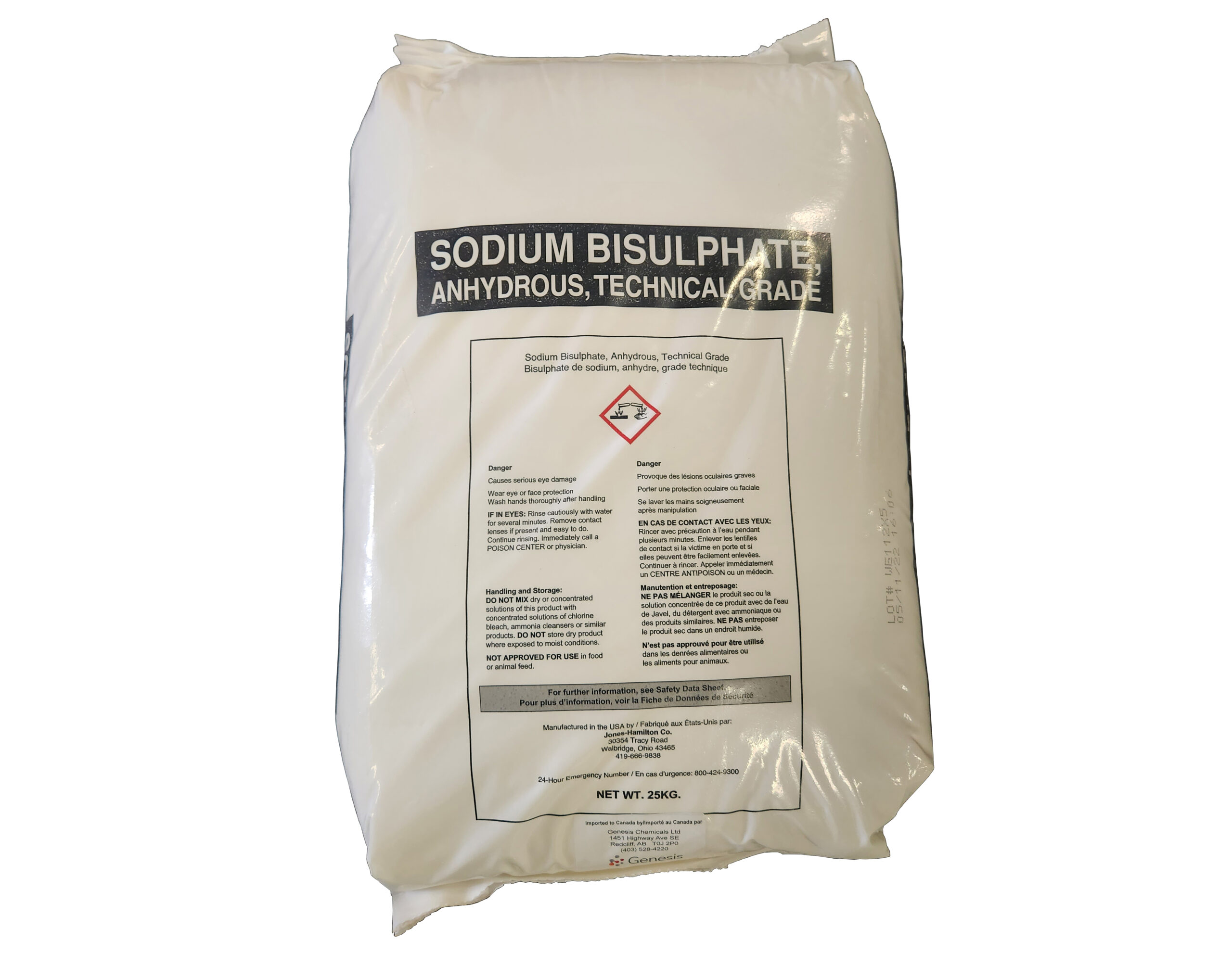
Sodium bisulfate can irritate skin and eyes on contact. It requires careful handling and storage. Baking soda is much safer for household use and is non-toxic. Always read labels and follow safety instructions when using chemicals like sodium bisulfate.
Credit: beatbot.com
What Is Baking Soda?
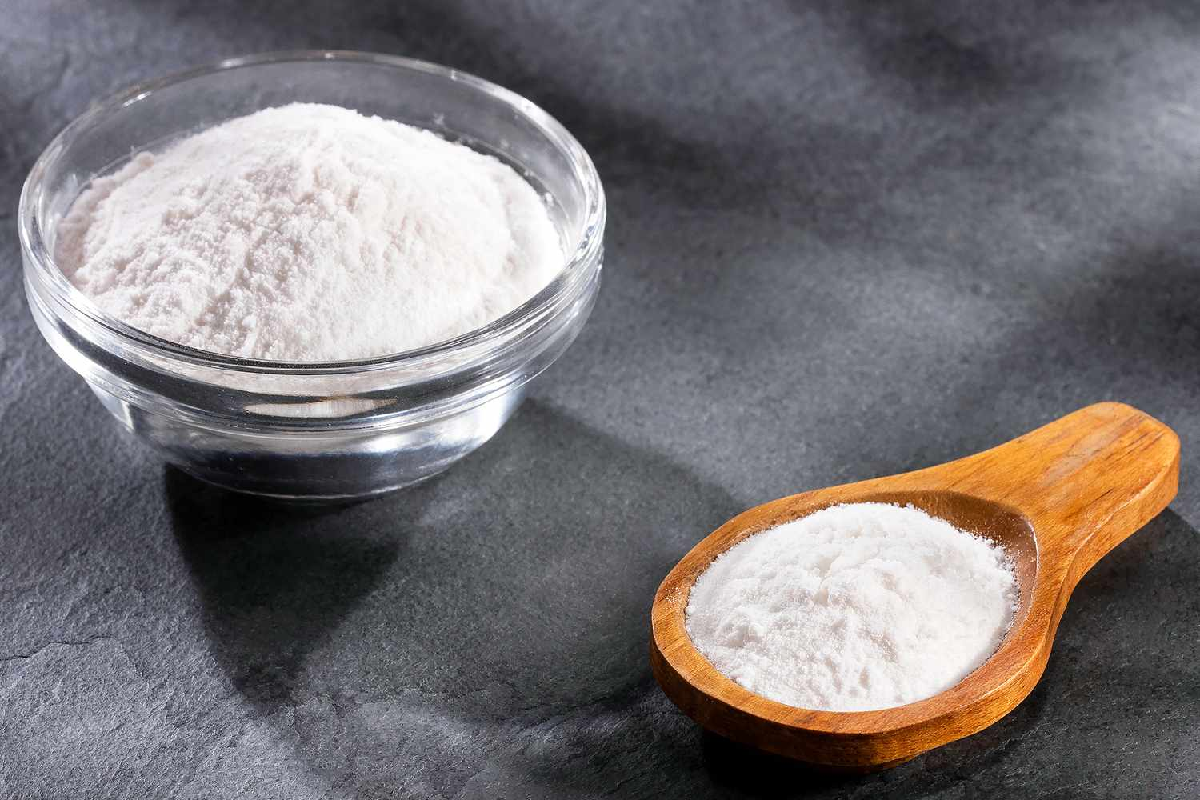
Baking soda is a common household item. It appears as a fine white powder. Many people use it in cooking, cleaning, and even health care. Understanding what baking soda is helps to know if it is the same as sodium bisulfate.
Chemical Composition
Baking soda is called sodium bicarbonate. Its chemical formula is NaHCO3. It has sodium, hydrogen, carbon, and oxygen atoms. This makes it a mild base. It reacts with acids to produce carbon dioxide gas. This property makes it useful in baking.
Everyday Applications
Baking soda is popular in baking to help dough rise. It also works as a natural cleaner. People use it to remove odors from refrigerators. It can soothe insect bites and minor burns. Many use it as a gentle toothpaste or mouthwash. Its uses extend to deodorizing carpets and freshening laundry.
Health And Safety
Baking soda is generally safe in small amounts. It is approved for food use by health authorities. Using too much can cause stomach upset. Always follow recommended amounts in recipes or treatments. Keep baking soda out of reach of children. Avoid mixing it with strong acids or chemicals. Store it in a cool, dry place to keep it fresh.
Comparing Chemical Structures
Comparing the chemical structures of sodium bisulfate and baking soda helps us understand their differences. Both are common household chemicals but have unique properties. Their structure affects how they behave in different uses.
Knowing these differences can prevent mistakes in cooking, cleaning, or other tasks.
Molecular Differences
Sodium bisulfate is made of sodium, hydrogen, sulfur, and oxygen. Its chemical formula is NaHSO4. Baking soda contains sodium, hydrogen, carbon, and oxygen. Its formula is NaHCO3. Sodium bisulfate has sulfur, which baking soda lacks.
This difference means they belong to different chemical groups. Sodium bisulfate is an acid salt. Baking soda is a base salt.
Ph Levels
Sodium bisulfate creates an acidic solution when dissolved in water. Its pH typically ranges from 1 to 3. Baking soda creates a basic or alkaline solution. Its pH usually falls around 8 to 9.
This contrast in pH makes them useful for different tasks. Sodium bisulfate helps lower pH, while baking soda raises it.
Reactivity
Sodium bisulfate reacts strongly with bases and releases heat. It can neutralize alkaline substances quickly. Baking soda reacts with acids to produce carbon dioxide gas. This reaction causes bubbles and fizzing.
Their reactions suit different purposes. Sodium bisulfate is good for lowering pH. Baking soda is helpful in baking and cleaning due to gas release.
Credit: www.di-corp.com
Uses That Set Them Apart
Sodium bisulfate and baking soda are common household chemicals. Both have distinct uses that make them very different. Their roles in cleaning, cooking, and water treatment show their unique properties clearly. Understanding these uses helps avoid confusion and ensures safety.
Cleaning And Household Uses
Sodium bisulfate is a strong acid salt. It works well to lower pH and clean tough stains. People use it to remove hard water deposits and rust. It also helps clean toilets and tiles safely. Baking soda is mild and basic. It deodorizes and gently scrubs surfaces. Baking soda is perfect for everyday cleaning tasks. It freshens carpets, sinks, and refrigerators without harsh chemicals.
Food And Cooking
Baking soda is widely used in cooking. It acts as a leavening agent for cakes and bread. It makes dough rise by producing carbon dioxide gas. Sodium bisulfate is not used in food preparation. It is not safe to eat and can be harmful. Baking soda can also reduce acidity in recipes. Sodium bisulfate’s acidic nature makes it unsuitable for cooking.
Pool And Water Treatment
Sodium bisulfate is popular in pool care. It lowers the pH of pool water quickly and safely. This helps keep the water balanced and clear. Baking soda is used to raise pH and alkalinity in pools. It helps prevent corrosion and keeps water comfortable for swimmers. Both chemicals support water quality but serve opposite roles.
Safety And Handling Differences
Safety and handling of sodium bisulfate and baking soda differ greatly. Both are common household chemicals, but their risks and care needs vary. Understanding these differences helps prevent accidents and ensures safe use.
Toxicity Levels
Baking soda is non-toxic and safe for most uses. It can be ingested in small amounts without harm. Sodium bisulfate is more hazardous. It is acidic and can irritate skin and eyes. Swallowing sodium bisulfate can cause serious health problems. Always treat sodium bisulfate with caution.
Storage Tips
Keep baking soda in a cool, dry place. It absorbs moisture easily but is stable otherwise. Store sodium bisulfate in a tightly sealed container. Keep it away from water and moisture to avoid reactions. Store both away from children and pets. Proper storage reduces risks and maintains product quality.
First Aid Measures
If baking soda contacts skin or eyes, rinse with water. Ingesting small amounts usually causes no harm. For sodium bisulfate, flush eyes or skin with plenty of water immediately. Remove contaminated clothing. Seek medical help if irritation or burns occur. If swallowed, do not induce vomiting; call poison control right away.

Credit: eureka.patsnap.com
Can They Replace Each Other?
Sodium bisulfate and baking soda are often confused. People ask if they can replace each other in recipes or cleaning tasks. These two substances have very different properties and uses. Understanding their differences helps avoid mistakes and poor results.
Substitution Risks
Sodium bisulfate is acidic. Baking soda is a base. This means their chemical reactions differ greatly.
Using sodium bisulfate instead of baking soda can cause unwanted acidity. This may spoil food or damage surfaces. The opposite is true too. Baking soda cannot replace sodium bisulfate where acid is needed.
Effectiveness In Applications
Baking soda works well as a leavening agent in baking. It helps dough rise by producing carbon dioxide. Sodium bisulfate does not have this effect.
In cleaning, sodium bisulfate lowers pH and removes mineral deposits. Baking soda cleans by neutralizing odors and scrubbing gently. They do not perform the same tasks.
Recommendations
Use baking soda for baking and mild cleaning jobs. Use sodium bisulfate for pool maintenance and strong acid cleaning.
Never swap one for the other without checking the purpose. Read labels and follow instructions carefully. This ensures safety and success in your projects.
Frequently Asked Questions
What Is Sodium Bisulfate Used For?
Sodium bisulfate is mainly used to lower pH in pools and cleaning products. It acts as a dry acid to balance water acidity safely.
Can Baking Soda Replace Sodium Bisulfate?
No, baking soda cannot replace sodium bisulfate. Baking soda raises pH, while sodium bisulfate lowers it.
Is Sodium Bisulfate Safe For Home Use?
Yes, sodium bisulfate is safe when used correctly. Always follow instructions and avoid direct skin contact.
How Does Baking Soda Differ From Sodium Bisulfate?
Baking soda is a base that neutralizes acids. Sodium bisulfate is an acid that neutralizes bases.
Can Baking Soda And Sodium Bisulfate Be Mixed?
Mixing them causes a chemical reaction that produces carbon dioxide gas. It is not recommended to mix them directly.
Which Is Better For Cleaning: Baking Soda Or Sodium Bisulfate?
Baking soda is better for gentle cleaning and deodorizing. Sodium bisulfate is stronger and used for tough stains or pH adjustment.
Does Sodium Bisulfate Taste Like Baking Soda?
No, sodium bisulfate has a sour, acidic taste. Baking soda tastes salty and slightly bitter.
Conclusion
Sodium bisulfate and baking soda are not the same. They have different chemical properties and uses. Baking soda is a base used mainly in baking and cleaning. Sodium bisulfate is an acid used to lower pH in pools and other applications.
Confusing these two can cause problems in recipes or projects. Always check the label before using either substance. Knowing their differences keeps your tasks safe and effective. Simple, clear, and safe—choose the right product every time.