
Have you noticed a sewer smell in your house right after your septic tank was pumped? That unpleasant odor can be frustrating and worrying.
You might wonder if something went wrong or if the problem will go away on its own. Understanding why this smell appears and how to fix it quickly is important for your comfort and health. Keep reading to discover the common causes of that sewer smell and what you can do to get your home smelling fresh again.
Credit: www.wrenvironmental.com
Causes Of Sewer Smell After Pumping
After pumping a septic tank, a sewer smell in the house can be frustrating. Several causes can lead to this unpleasant odor. Understanding these causes helps you fix the problem quickly. The smell usually comes from gas leaks or blockages in the system. Below are the common reasons for sewer smell after pumping.
Vent Pipe Blockages
Vent pipes let sewer gases escape safely outside. If these pipes get blocked, gases build up inside the home. Blockages can happen from leaves, nests, or debris. When blocked, sewer gases have nowhere to go. This causes the smell to enter your house through drains or vents.
Dry P-traps
P-traps hold water to stop sewer gases from coming up drains. If a P-trap dries out, it loses its seal. Dry traps happen in unused sinks or drains. Without water, sewer gases flow freely into the home. Regularly running water in all drains keeps traps wet and seals strong.
Septic Tank Issues
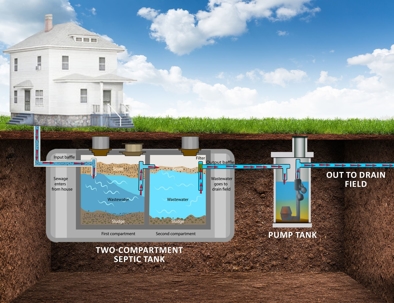
After pumping, problems inside the septic tank may cause odors. Cracks or leaks in the tank let gases escape underground. A poorly sealed access lid can also let smell out. Sometimes, the tank needs more cleaning or repairs. A damaged tank often requires professional help.
Damaged Sewer Lines
Broken or cracked sewer pipes release gases into the soil and air. Roots, shifting soil, or old pipes cause damage. These leaks let sewer gas enter basements or crawl spaces. Repairing damaged lines stops the smell and prevents bigger problems.
Credit: www.vdwws.com
Immediate Steps To Eliminate Odor
Dealing with a sewer smell after pumping your septic tank can be frustrating. The odor often appears quickly and needs fast action. Taking immediate steps helps stop the smell and keeps your home fresh. Simple checks and cleaning can make a big difference. Follow these easy tips to remove the odor fast.
Check And Refill P-traps
P-traps hold water to block sewer gases from entering your home. Sometimes the water dries out after septic work. Check sinks, showers, and floor drains to see if water is missing. Pour water into each drain to refill the traps. This simple step can stop most smells instantly.
Inspect Vent Pipes
Vent pipes let sewer gases escape outside. Blocked or damaged vents cause smells inside. Look on your roof for cracked or clogged vent pipes. Clear any debris like leaves or bird nests. Make sure vents are open and working well to keep air flowing properly.
Use Natural Deodorizers
Natural deodorizers can absorb and neutralize bad smells. Baking soda sprinkled in drains helps reduce odor. White vinegar poured down drains also cleans and freshens pipes. These safe products work well without harsh chemicals.
Clean Drains Thoroughly
Drain buildup can trap sewer smells. Clean drains with a brush or drain cleaner to remove gunk. Run hot water for several minutes to flush pipes. Regular cleaning stops odors and keeps drains flowing smoothly.
Preventing Future Sewer Odors
Preventing sewer odors in your home after septic tank pumping helps keep your living space fresh. Taking simple steps can stop bad smells from coming back. Regular care and attention to your septic system and plumbing make a big difference.
Regular Septic Tank Maintenance
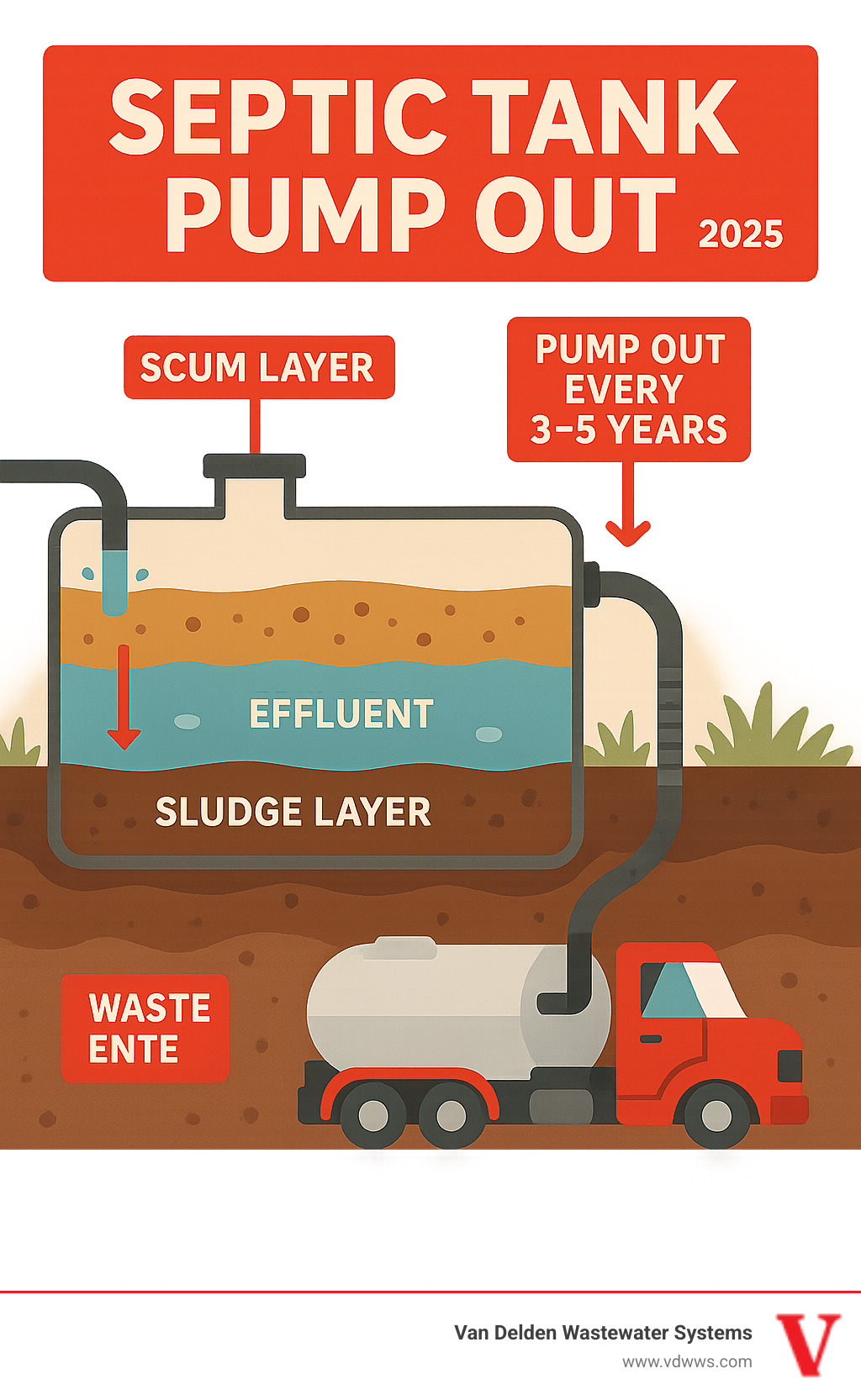
Schedule septic tank pumping every three to five years. This prevents buildup that causes odors. Inspect the tank for cracks or leaks. Fix any damage quickly to avoid smells escaping into your home. Keep records of maintenance for future reference.
Proper Ventilation Practices
Ensure your plumbing vents are clear and working well. Vents let sewer gases escape outside safely. Check vents for blockages or damage after heavy storms or wind. Install vent covers to keep debris and animals out. Good ventilation prevents gases from entering your house.
Avoiding Chemical Drain Cleaners
Chemical drain cleaners can harm your septic system. They kill helpful bacteria that break down waste. Use natural or enzymatic cleaners instead. These options keep your system healthy and reduce odor risk. Pour hot water down drains regularly to flush pipes.
Routine Plumbing Inspections
Hire a plumber to inspect pipes and fixtures yearly. They spot leaks, clogs, and vent issues early. Fixing problems fast stops sewer gases from building up. Check seals around toilets and drains for tightness. Proper plumbing keeps sewer smells out of your home.
When To Call A Professional
Knowing when to call a professional is important after your septic tank is pumped. Sometimes, sewer smells go away quickly. Other times, the smell stays or gets worse. These problems need expert attention to keep your home safe and clean.
Persistent Odor Issues
If the sewer smell stays for days after pumping, it shows a problem. Professionals can find hidden leaks or vents causing the odor. Trying to fix it yourself may not work and can waste time.
Signs Of Septic System Damage
Damage to your septic system can cause bad smells. Look for wet spots or slow drains near the tank. Cracks or broken pipes need expert repair to stop smells and avoid bigger problems.
Sewer Line Blockages
Blockages in the sewer line cause smells and backups. A professional uses special tools to clear clogs safely. This stops odors and prevents sewage from backing up into your home.
Health And Safety Concerns
Sewer smells can mean harmful gases are present. These gases can cause headaches, nausea, or worse health issues. Professionals know how to handle these safely and protect your family.

Credit: www.pubs.ext.vt.edu
Frequently Asked Questions
Why Does My House Smell After Septic Tank Pumping?
A strong smell can come from air trapped in the pipes. Pumping stirs up gases that need to escape. Proper ventilation usually clears the odor quickly.
Can A Clogged Vent Cause Sewer Smells Indoors?
Yes, clogged vents block sewer gases from escaping outside. This causes the smell to enter your home. Clearing the vent often stops the odor.
How Long Will Sewer Smell Last After Pumping?
Sewer smells usually fade within a few hours to a day. If the smell lingers, it may signal a plumbing issue. Prompt inspection helps avoid long-term odors.
Is A Dry P-trap Causing The Sewer Smell?
A dry P-trap lets sewer gases come inside. Water in the trap blocks the gas flow. Pouring water into drains can stop the smell.
Should I Check For Septic Tank Leaks After Pumping?
Leaks can cause sewer smells indoors and outside. Inspect the tank area for wet spots or strong odors. Fixing leaks prevents health risks and odors.
Can Faulty Plumbing Cause Sewer Smells After Pumping?
Yes, broken or loose pipes let gases enter your home. Plumbing repairs can stop the sewer smell. Hire a plumber if unsure.
How Do I Remove Sewer Smell From My House Fast?
Ventilate your home by opening windows and doors. Use fans to push fresh air inside. If smell stays, call a professional plumber.
Conclusion
A sewer smell after pumping your septic tank is common but not normal. It signals a problem that needs fixing fast. Check for leaks, vents, or blockages in your plumbing system. Cleaning or repairs often stop the odor. Keeping your septic tank maintained helps avoid future smells.
Don’t ignore bad smells; they affect your home’s air and health. Act quickly to keep your house fresh and safe. Simple steps can bring comfort back to your living space. Stay alert and handle issues early for the best results.