
Is your water system not working as well as it used to? You might have a problem with your permeate pump.
Knowing how to tell if a permeate pump is bad can save you time, money, and frustration. If your water pressure drops or your system starts making strange noises, these could be warning signs. You’ll learn the simple ways to spot trouble early and keep your water flowing smoothly.
Keep reading to protect your system and avoid costly repairs.
Credit: www.frizzlife.com
What A Permeate Pump Does
A permeate pump helps move water in a reverse osmosis system without using extra energy. Signs of a bad pump include low water pressure and slow water flow. Listening for unusual noises can also help spot problems early.
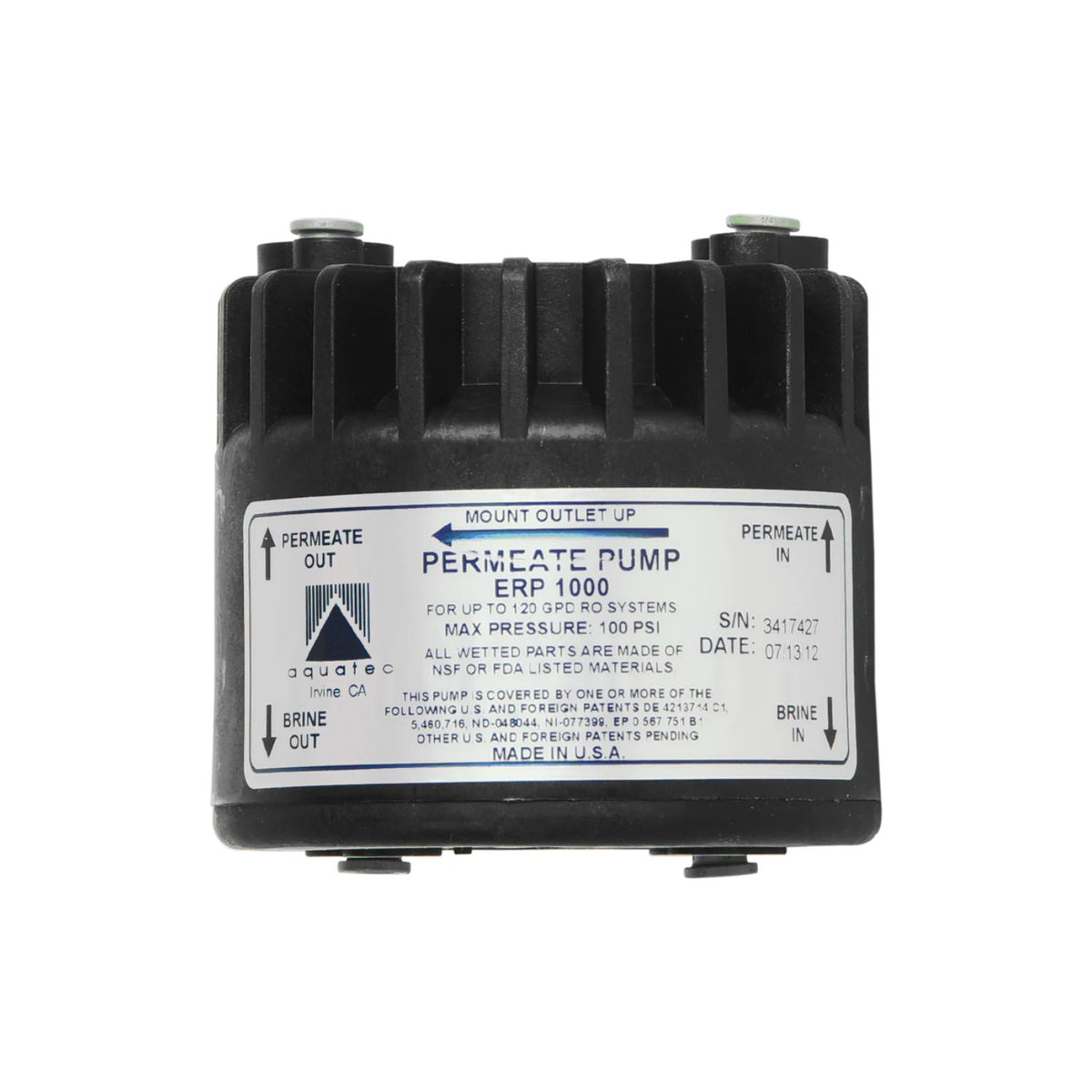
A permeate pump helps improve water flow in reverse osmosis (RO) systems. It uses the pressure from wastewater to push clean water into the storage tank. This process saves energy and reduces water waste.
The pump works without electricity. It uses water pressure to move the clean water efficiently. This means your RO system fills the tank faster and with less water lost.
By reducing back pressure on the RO membrane, the permeate pump helps extend the membrane’s life. This means fewer replacements and better water quality over time. It also keeps the system quieter and more efficient.
How The Permeate Pump Saves Water
The pump uses the energy from wastewater to push clean water. This reduces the amount of water wasted during filtration. Without the pump, your system wastes more water to flush out impurities.
With a permeate pump, water waste can drop by up to 80%. This helps save water and lowers your water bill. It also makes your RO system more eco-friendly.
Why The Permeate Pump Improves Tank Filling
The permeate pump pushes water into the storage tank faster. It reduces pressure on the RO membrane, allowing steady water flow. This means your tank fills quicker and more efficiently.
When the tank fills faster, you get clean water on demand. The pump keeps pressure balanced, so the system works smoothly. This avoids delays and improves your water supply.
Common Causes Of Pump Failure
Permeate pumps can stop working properly for several reasons. Knowing these causes helps spot problems early. It also saves time and money on repairs.
Most pump failures happen due to wear and tear or poor maintenance. Some issues come from the water quality or installation mistakes. Understanding these common causes can keep your system running smoothly.
Mechanical Wear And Tear
Moving parts inside the pump wear out over time. Seals, bearings, and pistons can break or become loose. This causes leaks and reduces pump efficiency.
Clogged Or Damaged Components
Dirt and debris in the water can clog the pump. Small particles cause damage to sensitive parts. Regular cleaning helps prevent this problem.
Incorrect Installation
Improper setup can strain the pump. Wrong pipe size or poor alignment causes pressure issues. Follow manufacturer instructions to avoid mistakes.
Water Quality Issues
Hard water or chemicals harm pump parts. Scale buildup blocks flow and damages seals. Using filters and softeners improves pump life.
Lack Of Maintenance
Ignoring regular checks leads to early failure. Oil levels, seals, and parts need routine inspection. Scheduled maintenance keeps the pump working well.
Signs Of A Failing Permeate Pump
Permeate pumps play a key role in water purification systems. They help keep water pressure steady and reduce waste. Signs of a failing permeate pump can affect your water quality and system performance. Spotting these signs early helps prevent bigger problems and costly repairs.
Reduced Water Pressure
Water pressure drops when the permeate pump weakens. You may notice slower water flow from your faucet. The pump struggles to push water through the filters. Low pressure can mean the pump is losing power or parts are worn out.
Unusual Noises
Strange sounds like rattling or humming can come from the pump. These noises show internal parts may be damaged or loose. A healthy pump runs quietly and smoothly. Loud or odd noises suggest it needs attention.
Leaks Or Moisture
Leaks near the pump indicate seals or fittings may fail. Moisture buildup can cause corrosion or electrical issues. Check around the pump area regularly for water spots or drips. Leaks reduce pump efficiency and can damage other parts.
Inconsistent Water Flow
The water flow may vary without warning. Sometimes it runs strong, then weakens suddenly. This irregular flow means the pump is not working steadily. The pump’s diaphragm or valves might be faulty. Consistent flow is a sign of good pump health.
Frequent System Shutoffs
Your water system may shut off often during use. The pump could be triggering safety switches due to failure. These shutoffs prevent damage but disrupt water supply. Frequent stops mean the pump needs checking or replacement.
Credit: www.apecwater.com
Testing Your Permeate Pump
Testing your permeate pump helps find problems early. It ensures the pump works well and saves water. You can do simple tests at home with basic tools. These tests check if the pump needs repair or replacement.
Visual Inspection
Start by looking closely at the pump. Check for cracks or leaks on the body. Look at the tubes for signs of wear or damage. Make sure all connections are tight and secure. Dirty parts can cause the pump to fail. Clean any dirt or buildup carefully.
Pressure Testing
Pressure testing measures how well the pump holds pressure. Use a pressure gauge to check the pump’s output. The pressure should match the manufacturer’s specifications. Low pressure means the pump may have a leak or weak parts. High pressure can also signal a problem with valves or seals.
Flow Rate Measurement
Flow rate shows how much water the pump moves per minute. Use a container to catch water and a timer to measure flow. Compare the flow rate to the pump’s rated capacity. A flow rate lower than normal means the pump is struggling. This test reveals blockages or worn-out parts inside the pump.
Maintenance Tips To Extend Pump Life
Proper maintenance helps keep your permeate pump working longer. Small actions can prevent major issues and costly repairs. Understanding simple care routines protects your investment. Follow these tips to extend your pump’s life and keep it running smoothly.
Regular Cleaning
Clean the pump regularly to remove dirt and debris. Dirt buildup can block parts and reduce efficiency. Use a soft cloth and mild cleaner for the outside. Flush the inside gently if the pump allows. Regular cleaning keeps the pump parts moving freely.
Checking For Wear
Inspect the pump often for signs of wear or damage. Look for cracks, leaks, or unusual noises. Worn parts can cause the pump to fail quickly. Catching these early helps prevent bigger problems. Use a flashlight to check hard-to-see areas.
Timely Replacements
Replace parts before they break down completely. Follow the manufacturer’s recommendations for replacement schedules. Using old parts can strain the pump and reduce its life. Keep spare parts handy for quick fixes. Timely replacements keep the pump running at its best.
When To Replace Your Permeate Pump
Knowing when to replace your permeate pump is important for your water system’s efficiency. A bad pump can reduce water flow and waste water. Watch for signs like strange noises, leaks, or a drop in water pressure. These issues show the pump may be failing and needs attention.
Replacing the pump at the right time saves money and prevents bigger problems. Waiting too long can cause damage to other parts of your system. Regular checks help catch problems early. Understanding costs and choosing the right part keeps your system running smoothly.
Cost Vs. Repair Considerations
Repairing a permeate pump may cost less upfront. Small fixes like seals or valves can restore function. But repeated repairs add up over time. New pumps usually come with a warranty. They offer longer life and better efficiency. Compare repair costs with the price of a new pump. Consider how old the pump is. Older pumps may break down again soon. A new pump can reduce water waste and save energy. This lowers your bills in the long run.
Choosing The Right Replacement
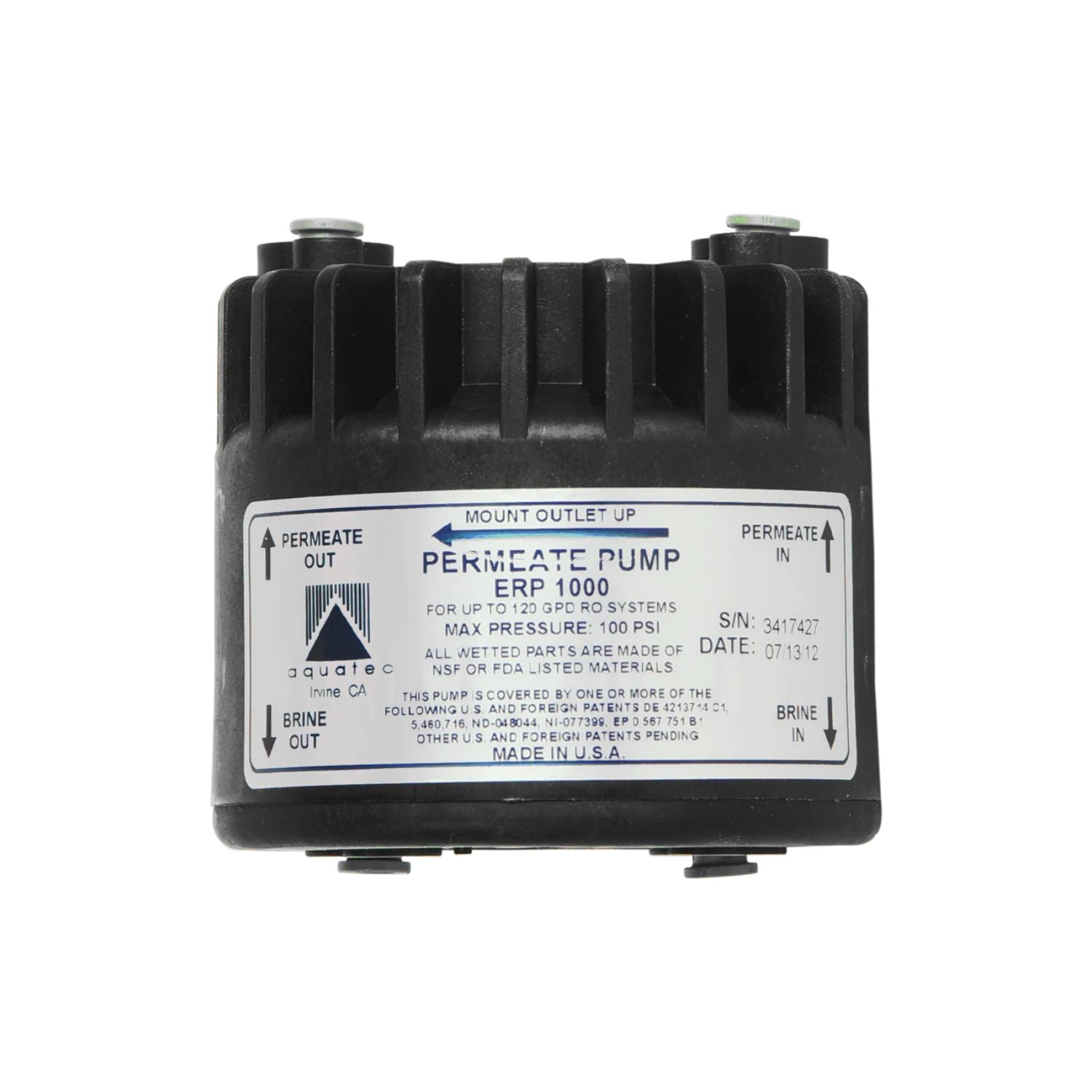
Select a permeate pump that fits your water system. Check the size and flow rate to match your needs. Look for reliable brands with good reviews. Ensure the pump is easy to install and maintain. Some models use less energy and last longer. Confirm the pump’s warranty and customer support. A proper replacement improves water quality and system life. Avoid cheap parts that may fail quickly. Invest in a quality pump for peace of mind.
Credit: www.apecwater.com
Frequently Asked Questions
What Are Common Signs Of A Bad Permeate Pump?
A bad permeate pump often causes low water pressure or slow water flow. You may notice strange noises or water leakage near the pump.
How Does A Faulty Permeate Pump Affect Water Taste?
A malfunctioning pump can reduce water filtration efficiency. This may lead to water tasting odd or having impurities.
Can A Bad Permeate Pump Cause System Leaks?
Yes, a damaged pump may cause water to leak from connections. Leaks often appear near the pump or tubing.
How To Test If A Permeate Pump Is Working?
Check for steady water pressure and listen for normal pump sounds. No noise or weak flow usually indicates a problem.
Is It Easy To Replace A Bad Permeate Pump?
Replacing a permeate pump is generally simple and quick. Most pumps come with clear instructions for DIY replacement.
What Causes A Permeate Pump To Fail?
Common causes include wear and tear, clogged parts, or water damage. Hard water can also cause faster pump failure.
How Often Should You Check Your Permeate Pump?
It’s good to inspect the pump every 6 to 12 months. Regular checks help catch problems before they worsen.
Conclusion
A bad permeate pump can cause water flow issues and waste energy. Watch for strange noises or weak water pressure. Check for leaks or unusual vibrations often. Timely detection saves money and prevents damage. Regular inspection keeps your system working well.
Fix problems early to avoid bigger repairs. Stay alert to signs your pump needs help. Simple steps make maintenance easier and more effective. Keep your water clean and your system strong.