
Have you ever wondered how many zones a single sprinkler valve can control in your irrigation system? Whether you’re planning a new lawn setup or upgrading an existing one, knowing this can save you time, money, and frustration.
Understanding how sprinkler valves work and their limits will help you design a system that keeps your garden healthy and your water usage efficient. Keep reading to discover the key facts that will make your watering routine smarter and simpler.
Sprinkler Valve Basics
Understanding sprinkler valve basics helps maintain a healthy lawn. These valves control water flow to different parts of your garden. Knowing how they work aids in setting up an efficient irrigation system.
This knowledge also prevents overwatering and saves water. It ensures your plants get the right amount of moisture. Let’s explore what a sprinkler valve is and its role in irrigation.
What Is A Sprinkler Valve
A sprinkler valve is a device that controls water flow in irrigation systems. It opens and closes to allow water to reach specific zones. Valves connect to pipes and sprinkler heads in the garden.
They work automatically or manually. Automatic valves use electric signals to open and close. Manual valves require you to turn them on or off by hand.
Role In Irrigation Systems
Sprinkler valves divide your garden into zones for better watering control. Each valve manages water flow to one or more zones. This setup helps water different plant types separately.
Valves prevent water waste by watering only active zones. They also reduce water pressure issues. Proper valve use leads to healthier plants and lower water bills.

Credit: help.dripdepot.com
Factors Affecting Zone Control
Several factors affect how many zones a sprinkler valve can control. Understanding these factors helps in designing an efficient irrigation system. These elements influence the valve’s performance and the overall watering quality.
Valve Type And Capacity
Different valves have different capacities. Some valves can handle more zones than others. The valve type decides how many zones it can control safely. For example, a solenoid valve usually manages one zone. Multi-port valves might control several zones at once. Choosing the right valve type is important for your system’s needs.
Water Pressure And Flow Rate
Water pressure impacts valve performance. Low pressure limits the number of zones a valve can control. High flow rates need valves that can handle more water volume. If the flow is too high, it can damage the valve or cause uneven watering. Balanced pressure and flow ensure smooth operation and good zone control.
System Design Considerations
The layout of the irrigation system matters. Long pipe runs or many sprinklers can reduce water flow. This affects how many zones one valve can manage. The number of sprinklers and their water use must match the valve capacity. Proper design avoids overloading valves and ensures even watering.
Typical Zone Limits
Sprinkler valves control water flow to specific zones in an irrigation system. Zones help manage water pressure and coverage efficiently. Each valve can handle a limited number of zones depending on the system type. Understanding typical zone limits helps plan irrigation setups correctly.
Residential Systems
Most home irrigation systems use one valve per zone. A single valve usually controls 4 to 6 zones. This setup supports watering different garden areas separately. It keeps water pressure balanced and prevents system overload. Home systems focus on lawns, flower beds, and small shrubs.
Commercial Systems
Commercial systems require more zones due to larger areas. One valve may control 8 to 12 zones in these setups. More zones allow precise watering for varied landscapes. They handle parks, sports fields, and large gardens. The design ensures efficient water use across wide spaces.
Specialized Applications
Some systems serve unique needs like golf courses or greenhouses. These setups may use valves controlling 12 or more zones. Specialized irrigation often needs custom valve arrangements. It supports plants with different water demands. These systems balance coverage with water conservation.
Credit: community.rachio.com
Valve Configurations For Multiple Zones
Understanding how sprinkler valves control multiple zones helps design effective irrigation systems. Valve configurations vary based on the number of zones and system size. Each setup offers different benefits and suits different yard layouts. Choosing the right valve setup ensures each zone gets proper water coverage without waste.
Single Valve, Multiple Zones
A single valve usually controls one zone only. It opens to allow water flow to that zone’s sprinklers. Some advanced valves can handle two zones, but this is rare. Most systems need one valve per zone to avoid pressure loss. Single valve setups are simple and easy to maintain.
Multiple Valves Setup
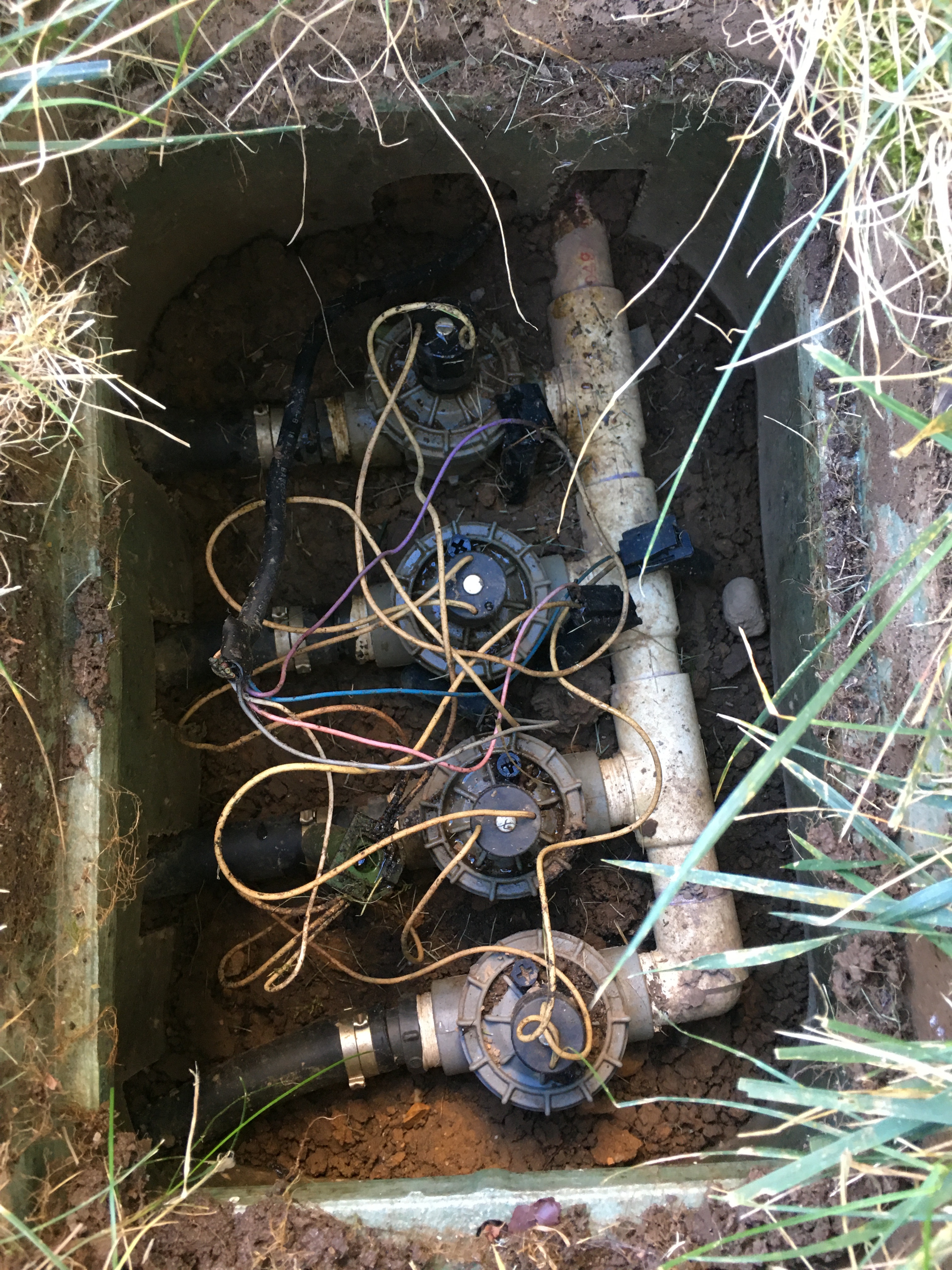
Many zones require multiple valves working together. Each valve controls a separate zone. This setup allows better water pressure and timing control. Controllers switch valves on and off in a sequence. Multiple valves fit medium to large yards with varied watering needs.
Manifold Systems
Manifold systems group several valves in one location. They connect to a single water source and distribute water to multiple zones. This saves space and simplifies installation. Manifolds make it easy to add or remove zones. They suit complex or large irrigation designs.
Signs Of Overloading A Valve
Overloading a sprinkler valve happens when it controls too many zones at once. This can cause problems in your irrigation system. Knowing the signs helps you fix issues early. It also keeps your lawn healthy and saves water.
Reduced Water Pressure
One sign of overloading is low water pressure. The valve struggles to send enough water to all zones. Sprinklers may spray weakly or not at all. Plants may not get the water they need. This leads to dry spots in your yard.
Uneven Irrigation
Overloaded valves cause uneven watering. Some zones get more water than others. Sprinklers may turn on and off at the wrong times. This wastes water and harms plant growth. You want each zone to get the right amount of water.
Valve Wear And Tear
Too many zones put stress on the valve parts. The valve may wear out faster than normal. Leaks and malfunctions can happen often. Repair costs go up, and your system stops working well. Regular checks help catch damage early.

Credit: www.hdfire.com
Expert Tips For Optimizing Zone Control
Optimizing sprinkler valve zone control helps save water and improve plant health. Proper zone management ensures even watering and reduces system strain. Use these expert tips to get the most from your sprinkler valve setup.
Proper Valve Selection
Choose valves that fit your irrigation needs and system size. Smaller zones require valves with lower flow rates. Larger zones need valves that handle more water pressure. Match valves to your sprinkler heads and pipe size. This prevents leaks and uneven watering. Picking the right valve improves system efficiency and lifespan.
Regular Maintenance
Inspect valves regularly for dirt, debris, and damage. Clean valve filters and screens to keep water flowing smoothly. Check for leaks or worn seals and replace parts quickly. Test valve operation to ensure zones open and close correctly. Regular upkeep reduces water waste and keeps plants healthy.
Upgrading System Components
Replace old valves with modern models for better control. Use smart controllers to automate watering schedules by zone. Install pressure regulators to protect valves and sprinklers. Adding flow sensors helps detect problems early. Upgrading parts boosts system performance and saves resources.
Frequently Asked Questions
How Many Zones Can A Single Sprinkler Valve Control?
A single sprinkler valve controls only one zone at a time. Each valve opens to water one area. Multiple valves are needed for multiple zones.
Why Use Multiple Valves For Different Irrigation Zones?
Different zones need different watering times and amounts. Multiple valves help control water flow separately. This saves water and improves plant health.
Can One Sprinkler Valve Control Multiple Zones Simultaneously?
No, one valve cannot water several zones at once. It opens or closes for just one zone. To water many zones, use several valves.
What Limits The Number Of Zones A Sprinkler System Can Have?
The number of valves and controller capacity limit zones. Controllers have a maximum number of valve outputs. Adding more valves increases zones but needs a compatible controller.
How Does Valve Size Affect Zone Control In Sprinklers?
Valve size controls water flow rate for a zone. Larger valves can supply more water to bigger zones. Matching valve size to zone size ensures efficient watering.
What Happens If Too Many Zones Are Controlled By One Valve?
Trying to water many zones with one valve causes uneven watering. Some plants may get too much or too little water. Separate valves keep watering balanced and effective.
Can Smart Irrigation Systems Manage Many Sprinkler Zones Easily?
Yes, smart systems use controllers to manage many valves. They schedule watering based on weather and soil needs. This saves water and keeps plants healthy.
Conclusion
A sprinkler valve can control several zones, depending on its design. Most valves handle one zone at a time, but multiple valves work together to cover many zones. Choosing the right number of zones helps water your lawn efficiently. Too many zones on one valve may cause problems.
Planning your system carefully saves water and time. Remember, each zone needs its own valve for best results. This keeps your irrigation system simple and effective.