
Are you trying to decide between a basement and a crawl space for your home? This choice can affect your living space, storage options, and even your home’s value.
Understanding the key differences will help you make the best decision for your needs. Keep reading to discover what makes basements and crawl spaces unique, and which one suits your home and lifestyle better. Your perfect foundation starts here.
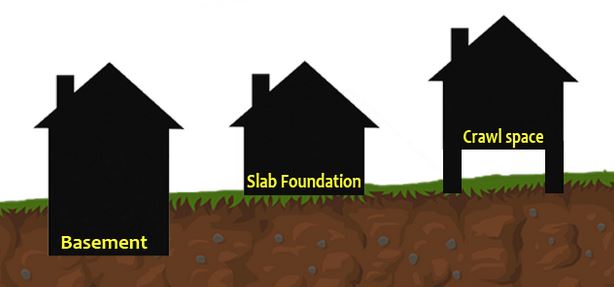
Credit: www.thehomesdirect.com
Basement Basics
Basements are common features in many homes across the United States. They are spaces built below ground level. Basements add extra living or storage space. They also protect homes from harsh weather. Understanding basement basics helps when choosing between a basement and a crawl space.
Basements vary in design and purpose. Their construction costs differ too. Knowing these details guides you in making the best home decision.
Types Of Basements
Several types of basements exist. The most common is the full basement. It covers the entire house footprint. Another type is the daylight basement. It has windows above ground for light. A walk-out basement has a door leading outside. Some homes use a slab basement, which is shallow and has a concrete floor.
Common Uses
Basements serve many purposes. Homeowners use them for storage or laundry rooms. They often become extra bedrooms or playrooms. Some turn basements into home offices or gyms. Basements can also house heating and cooling systems. Their flexibility makes them valuable parts of a home.
Construction Costs
Basement construction costs vary widely. Factors include size, depth, and materials used. Full basements tend to cost more due to excavation. Daylight and walk-out basements need extra work on walls and windows. Finishing a basement adds to the total cost. The investment often pays off with added home value.
Credit: crawlpros.com
Crawl Space Essentials
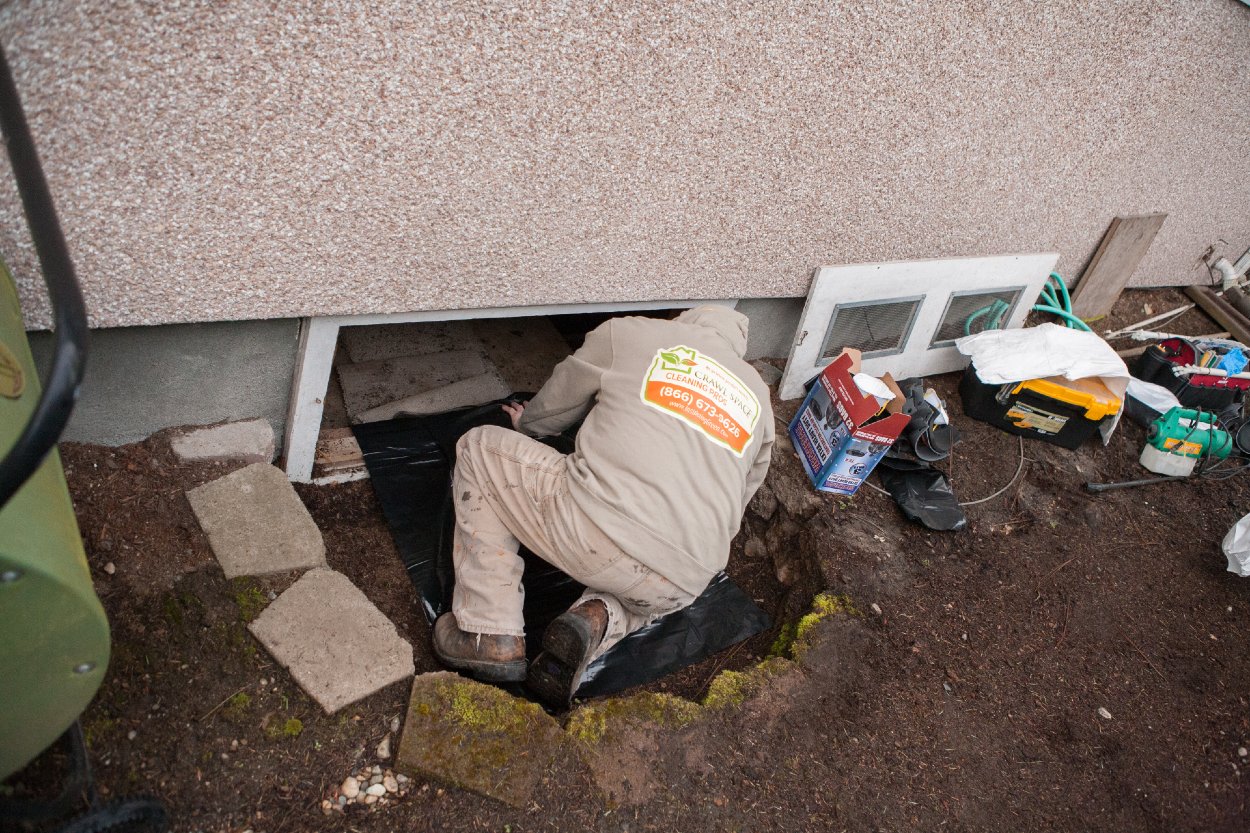
Crawl spaces offer a practical solution for homes without full basements. They provide easy access to plumbing, wiring, and other systems under the house. This space helps with ventilation and moisture control, keeping the home dry and safe.
Understanding crawl space basics can help you decide if it fits your needs. This section covers common designs, uses, and costs of crawl spaces.
Crawl Space Designs
Crawl spaces come in different shapes and sizes. The most common design is a short, narrow area under the house. It usually stands 18 to 36 inches high, enough to crawl through but not stand up. Some crawl spaces have vents to allow air to flow and reduce moisture.
Other designs include sealed crawl spaces. These have barriers to block moisture and keep air inside. The choice depends on local climate and home needs.
Typical Applications
Crawl spaces are often used in areas with high water tables or uneven land. They keep the house above ground moisture and pests. Builders use crawl spaces to protect pipes and wiring from freezing in cold weather.
These spaces also offer easy access for repairs. They save money compared to full basements and fit many home styles.
Installation Expenses
The cost of installing a crawl space is usually lower than building a basement. Prices depend on soil type, size, and materials used. Basic crawl spaces are cheaper but may need more upkeep.
Sealed crawl spaces cost more initially. They can reduce energy bills and long-term repairs. Knowing these costs helps plan your budget wisely.
Moisture And Ventilation
Moisture and ventilation play key roles in basements and crawl spaces. Both areas are below ground level, making them prone to dampness and poor airflow. Managing moisture helps prevent mold, wood rot, and structural damage. Proper ventilation removes stale air and controls humidity. Knowing the differences in water and air flow issues can help protect your home.
Water Issues In Basements
Basements often face water seepage through walls or floors. Heavy rain or melting snow can cause water to pool outside, pressing against basement walls. Small cracks allow water to enter and cause damp patches. Standing water can lead to mold growth and damage to stored items. Poor drainage increases the risk of flooding during storms.
Crawl Space Moisture Risks
Crawl spaces are usually smaller and less finished than basements. They can trap moisture from the ground below. Moist soil releases water vapor that moves upward. Without a proper barrier, this moisture causes wood to rot and metal to rust. Crawl spaces can also harbor pests attracted to damp areas. Mold spores can spread from crawl spaces into living areas.
Effective Ventilation Solutions
Ventilation helps reduce moisture and improve air quality. Basements benefit from dehumidifiers and air exchangers. Installing sump pumps and exterior drainage prevents water buildup. Crawl spaces need vents or fans to keep air moving. A vapor barrier on the ground stops moisture from rising. Sealing vents in humid climates may also help control dampness.
Energy Efficiency
Energy efficiency plays a big role in choosing between a basement and a crawl space. Both spaces affect how heat moves in and out of your home. Proper insulation helps keep your house warm in winter and cool in summer. This lowers energy use and cuts bills. Understanding the best insulation methods for each space helps make a smart choice.
Insulation Options For Basements
Basements can be insulated in several ways. Foam board insulation works well on basement walls. It prevents cold air from seeping in. Spray foam is another option. It fills gaps and cracks tightly. Fiberglass batts can fit between wall studs. But they must stay dry to work well. A good vapor barrier stops moisture problems in basements.
Crawl Space Insulation Techniques
Crawl spaces need a different approach to insulation. Insulating the crawl space walls helps control temperature. Foam board or spray foam is common here. The floor above the crawl space can also have fiberglass batts. Covering the ground with a plastic vapor barrier stops moisture. Proper ventilation or sealing the crawl space keeps air dry. Moisture control is key to effective insulation in crawl spaces.
Impact On Home Energy Bills
Insulated basements and crawl spaces reduce heat loss. This means less work for your heating and cooling system. Homes with good insulation use less energy. Lower energy use leads to smaller monthly bills. Poorly insulated spaces can cause drafts and cold spots. That forces your system to run longer. Investing in proper insulation pays off with energy savings.
Maintenance And Repairs
Maintaining a basement or crawl space requires regular attention to keep the area safe and dry. Both spaces face different challenges and need specific care. Knowing what to expect helps save money and prevents damage.
Basement Upkeep
Basements often need moisture control to avoid mold and water damage. Check for cracks in walls and floors regularly. Clean gutters and downspouts to direct water away from the foundation. Install a sump pump if the basement is prone to flooding. Keep the space ventilated to reduce dampness and improve air quality. Inspect plumbing pipes for leaks and corrosion. Regularly clean and test any installed dehumidifiers.
Crawl Space Maintenance
Crawl spaces need proper ventilation to prevent mold and wood rot. Ensure vents are not blocked by debris or plants. Cover the ground with a vapor barrier to stop moisture from rising. Inspect the wooden beams and joists for signs of pests or damage. Look for standing water or damp spots after rain. Keep insulation dry and in good condition. Check for any gaps or holes that let cold air or pests inside.
Common Repair Costs
Basement repairs can cost more due to complex fixes like waterproofing or foundation work. Simple fixes like sealing cracks are less expensive. Crawl space repairs often involve replacing damaged wood or improving ventilation. Pest control may add to crawl space costs. Plumbing repairs affect both spaces but vary in price. Regular maintenance reduces the need for costly repairs. Address small issues quickly to avoid bigger expenses later.
Resale Value And Home Appeal
The resale value and appeal of a home often depend on its structure and usable space. Basements and crawl spaces play key roles in how buyers view a property. Each option has unique effects on home value and attractiveness.
How Basements Affect Property Value
Basements add extra living or storage space. Buyers see basements as a valuable feature. Finished basements increase usable square footage, boosting home price. They offer flexibility for family rooms, offices, or guest areas. Basements also protect against extreme weather, which appeals to many buyers. Homes with basements often sell faster and at higher prices.
Crawl Space Influence On Marketability
Crawl spaces provide access to plumbing and wiring. They cost less to build than basements. Crawl spaces help keep homes dry by elevating the structure. However, they offer limited storage and no living space. Some buyers worry about moisture or pests in crawl spaces. This concern can lower a home’s appeal and value slightly. Proper maintenance can improve marketability despite these drawbacks.
Buyer Preferences
Buyers often prefer basements for added space and comfort. Families like basements for recreation and extra rooms. Buyers in flood-prone areas might prefer crawl spaces for safety. First-time homebuyers may choose crawl spaces due to lower costs. Overall, buyers appreciate clear, dry, and usable spaces. The choice depends on buyer needs and local housing trends.
Choosing Based On Climate
Choosing between a basement and a crawl space depends a lot on the climate where you live. The weather affects how each option performs and how comfortable your home will be. Understanding the climate helps you decide which foundation suits your needs best.
Cold Weather Considerations
Basements offer better protection from freezing temperatures. They keep pipes from freezing and reduce heat loss. Crawl spaces can be harder to keep warm. Moisture can build up under the house, causing mold and damage. Insulating basements is easier and more effective in cold climates.
Warm Climate Factors
Crawl spaces work well in warm, dry areas. They allow air to circulate under the home, reducing moisture. Basements in hot climates can trap heat and humidity. This may increase cooling costs and cause dampness. Proper ventilation in crawl spaces helps keep the home cooler.
Regional Building Practices
Local building codes often suggest the best foundation type. Some regions favor basements due to soil and weather conditions. Others prefer crawl spaces to avoid flood risks. Builders use materials and designs suited to local climates. Following these practices ensures safety and durability.
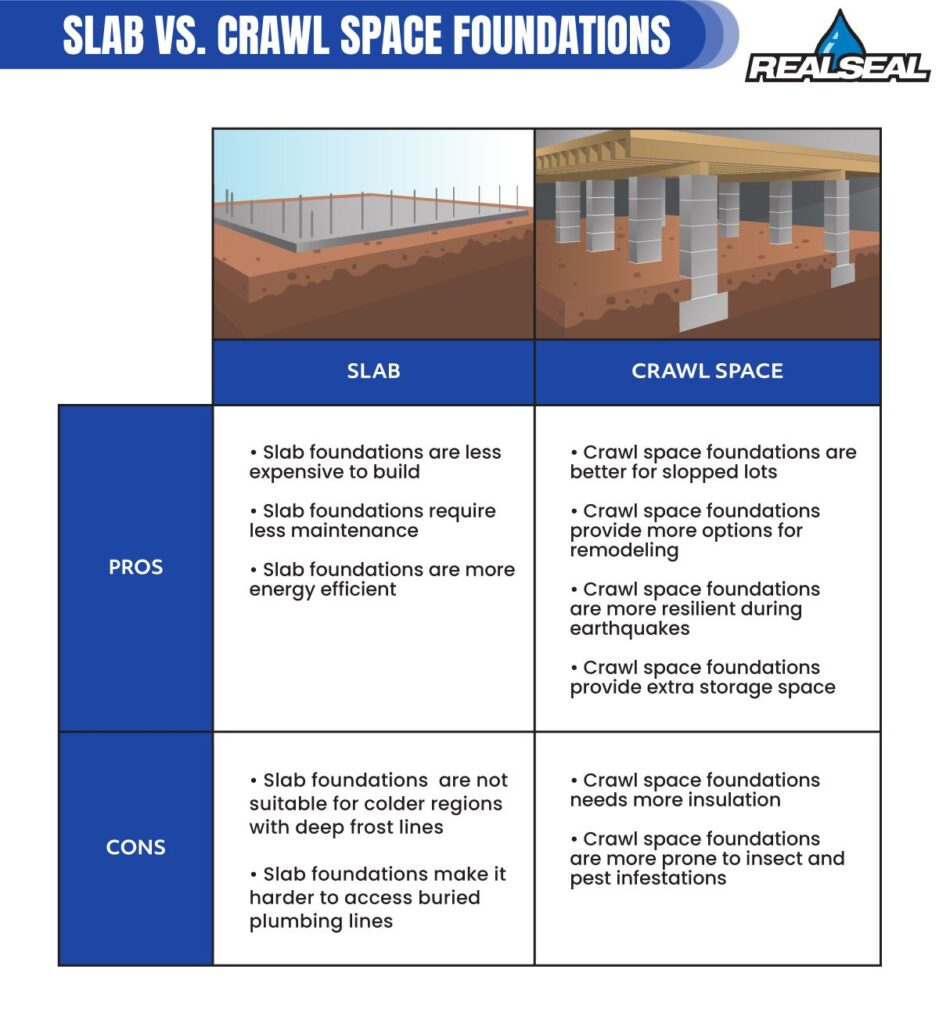
Credit: www.therealsealllc.com
Space Utilization And Expansion
Space utilization and expansion play a big role in choosing between a basement and a crawl space. How you use this space can affect your home’s value and comfort. Understanding each option helps you make the best decision for your needs.
Basement Finishing Ideas
Basements offer large, open areas. These spaces can transform into many useful rooms. You can create a family room, home office, or extra bedroom. Adding a bathroom or kitchenette is also possible. Finished basements increase your living area significantly. They give your home more functional space without building outside.
Crawl Space Limitations
Crawl spaces are small and low. They are mainly for access to plumbing and wiring. Using crawl spaces as living areas is very hard. The low ceiling and dampness limit what you can do. You cannot add rooms or comfortable spaces here. Crawl spaces offer little room for storage too.
Potential For Future Growth
Basements offer strong potential for future growth. You can finish or remodel them as needs change. This adds value and comfort over time. Crawl spaces do not provide much room for growth. They mostly stay as utility spaces without expansion options. Choosing a basement means more flexibility for your home’s future.
Health And Safety
Health and safety are key factors in choosing between a basement and a crawl space. Both spaces can affect your home’s environment and your well-being. Understanding the risks helps you make a safer choice.
Mold And Air Quality Concerns
Basements often have higher moisture levels. This can lead to mold growth, which harms air quality. Mold triggers allergies and respiratory issues. Crawl spaces may also trap moisture but usually less than basements. Proper ventilation and waterproofing reduce these risks in both areas.
Structural Safety
Basements add extra support but need good waterproofing to avoid cracks. Water damage weakens the foundation and causes costly repairs. Crawl spaces can cause foundation shifts if not maintained well. Regular inspections prevent structural problems in both spaces.
Pest Control Challenges
Crawl spaces often attract pests like rodents and insects. These pests can enter your home and spread diseases. Basements are less prone but still vulnerable if damp or cluttered. Sealing entry points and keeping areas dry helps control pests effectively.
Frequently Asked Questions
What Is The Main Difference Between A Basement And A Crawl Space?
A basement is a full-height space below ground, used for living or storage. A crawl space is a shallow, unfinished area under the floor, mainly for access and ventilation.
Which Is Better For Home Storage: Basement Or Crawl Space?
Basements offer more space and better protection for storage. Crawl spaces are smaller and less secure for storing items.
How Do Basements Affect Home Value Compared To Crawl Spaces?
Homes with basements usually have higher value due to extra living space. Crawl spaces add less value since they are not usable living areas.
Are Basements Or Crawl Spaces More Prone To Moisture Problems?
Crawl spaces often have more moisture issues because they are closer to the ground. Basements can also have moisture but are easier to waterproof.
Which Foundation Type Is Cheaper: Basement Or Crawl Space?
Crawl spaces are generally less expensive to build than basements. Basements require more excavation and materials, making them costlier.
Can Basements Be Finished For Living Spaces Unlike Crawl Spaces?
Yes, basements can be finished into living areas like bedrooms or offices. Crawl spaces are too small and low to be turned into livable rooms.
How Does Insulation Differ Between Basements And Crawl Spaces?
Basements need insulation on walls to keep warmth inside. Crawl spaces often require floor and wall insulation to prevent cold and moisture.
Conclusion
Choosing between a basement and a crawl space depends on your needs. Basements offer more storage and living space. Crawl spaces are easier and cheaper to build. Both have pros and cons for moisture and maintenance. Think about your budget and future plans.
Each option affects your home’s comfort and value. Understanding the differences helps you make a smart choice. Consider how you will use the space. This way, you get the best fit for your home.