
Choosing the right pump for your water needs can be confusing. You might have heard about submersible pumps and jet pumps, but which one is best for your home or project?
Understanding the key differences between these two can save you time, money, and frustration. You’ll discover how each pump works, their pros and cons, and which one fits your situation perfectly. Keep reading, and you’ll soon feel confident making the right choice for your water system.
Submersible Pump Basics
Submersible pumps play a key role in moving water from deep places. They sit underwater and push water up to the surface. These pumps are designed to work while fully submerged. This setup helps avoid many common pump problems.
Understanding how submersible pumps work and their benefits helps in choosing the right pump. This section explains the basics of submersible pumps clearly and simply.
How Submersible Pumps Work
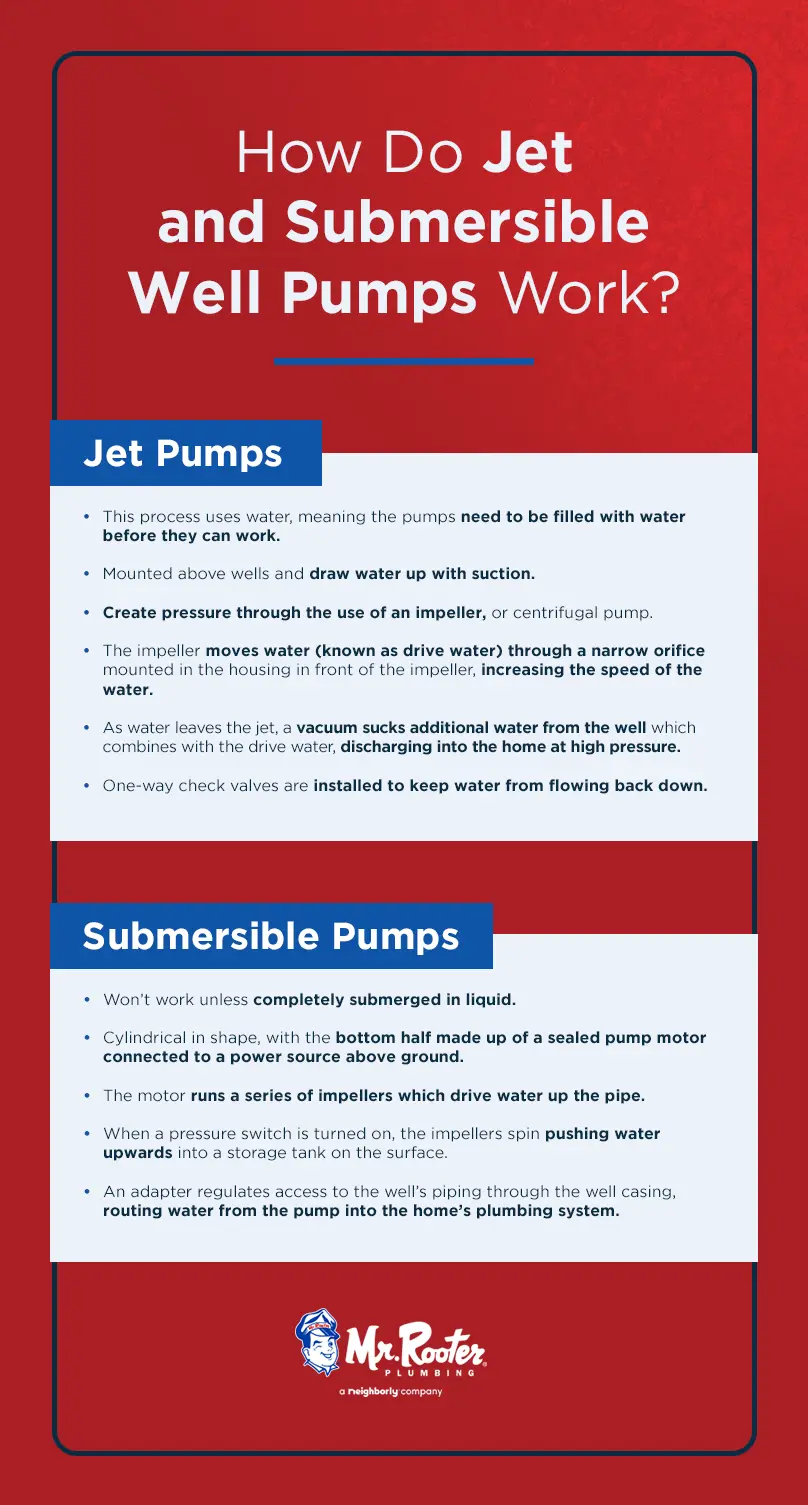
Submersible pumps have a motor sealed inside a waterproof casing. This motor powers an impeller that spins and pushes water. The pump moves water by pushing it upward through a pipe. Being underwater prevents the pump from overheating. It also stops air pressure issues seen in other pumps.
Common Uses For Submersible Pumps
These pumps are common in wells to bring groundwater to the surface. They also help drain water from flooded areas. Many farms use submersible pumps for irrigation. They work well in fountains and ponds too. Industries rely on them for moving liquids safely.
Advantages Of Submersible Pumps
Submersible pumps save space since they fit inside wells or tanks. They are quieter because the water muffles the motor noise. These pumps do not lose prime, so they start quickly. They handle deep water pumping better than many alternatives. Their sealed design protects the motor from damage.

Credit: www.youtube.com
Jet Pump Essentials
Jet pumps are common in many water systems. They help move water from wells or other sources. Their simple design makes them easy to use and maintain. Understanding how jet pumps work helps choose the right pump for your needs.
Functionality Of Jet Pumps
Jet pumps use a motor to create suction. This suction pulls water through a pipe. Inside the pump, a jet nozzle increases water speed. The fast-moving water creates a vacuum. This vacuum lifts water from the well or source. The pump then pushes water to your home or irrigation system.
Typical Applications For Jet Pumps
Jet pumps are often used in shallow wells. They work well for wells less than 25 feet deep. These pumps suit household water systems and garden irrigation. They also work for water transfer and boosting water pressure. Jet pumps fit places without much space for large equipment.
Benefits Of Jet Pumps
Jet pumps are easy to install and cost less than other pumps. They need little maintenance and have fewer moving parts. These pumps can run dry briefly without damage. Jet pumps operate quietly and use less electricity. Their simple design makes repairs quick and affordable.
Performance Comparison
Performance matters most when choosing between a submersible pump and a jet pump. Both types serve well but differ in how they deliver power, flow, and noise. Understanding these differences helps pick the right pump for your needs.
Efficiency And Power
Submersible pumps are placed underwater, reducing energy loss. They use less power to push water up. Jet pumps sit above ground and work by sucking water. This process needs more energy, making jet pumps less efficient. Submersible pumps can run longer with less electricity.
Flow Rate And Pressure
Submersible pumps usually provide a higher flow rate. They push water directly from the source, creating strong pressure. Jet pumps can struggle with deep wells or long distances. Their pressure drops if water must travel far. Submersible pumps maintain steady pressure in various conditions.
Noise Levels
Submersible pumps operate quietly since they are underwater. The surrounding water muffles the sound. Jet pumps are noisy because they run above ground. They can create loud humming or vibration sounds. For quiet operation, submersible pumps are better.

Credit: www.lowes.com
Installation Differences
Understanding the installation differences between submersible pumps and jet pumps helps in choosing the right one. Each type has unique needs for setup and maintenance. These factors also affect the overall cost and effort involved.
Placement And Setup
Submersible pumps sit underwater, usually inside a well. This means they require lower maintenance once installed. The setup involves lowering the pump into the water and connecting it to a power source. Jet pumps install above ground, near the water source. They use suction to pull water up. This setup needs careful placement to avoid air leaks. Jet pumps require a strong foundation to reduce vibration and noise.
Maintenance Requirements
Submersible pumps need less frequent checks because they work underwater. The main concern is preventing debris from clogging the pump. Jet pumps need regular inspection of seals and pipes. Air leaks can reduce their efficiency. Cleaning filters and checking the motor are common tasks. Both types need occasional electrical checks for safety.
Cost Factors
Submersible pumps often have higher upfront costs due to their design and installation. The cost includes professional help to lower the pump safely. Jet pumps are usually cheaper to buy and install. They require less specialized labor. However, jet pumps may cost more over time due to more frequent repairs. Energy costs can also vary depending on how deep the water is.
Choosing The Right Pump
Choosing the right pump is key for effective water management. The pump must fit the water source and the job. Picking the wrong pump can waste money and effort. Consider several important factors before deciding.
Assessing Water Source Depth
Depth of the water source is the first thing to check. Submersible pumps work well for deep wells. They sit underwater and push water up. Jet pumps work best for shallow wells. They pull water up by creating suction. Knowing the depth helps avoid pump failure and low water flow.
Evaluating Water Quality
Water quality affects pump choice and lifespan. Submersible pumps handle clean water better. Dirty or sandy water can damage them quickly. Jet pumps are easier to clean and maintain. They can handle some sediment but not too much. Testing water quality helps choose a durable pump.
Matching Pump To Application
Think about what the pump will do. Submersible pumps suit irrigation and deep well water supply. Jet pumps work well for boosting pressure in homes. The required water pressure and volume guide the choice. Match the pump’s power to the task for best results.
Credit: www.mrrooter.com
Troubleshooting Tips
Troubleshooting pumps can save time and money. Knowing common problems helps fix issues faster. Both submersible and jet pumps face different challenges. Understanding these issues keeps your water flowing smoothly.
Common Issues With Submersible Pumps
Submersible pumps can stop working if debris blocks the intake. Overheating is a risk when the motor runs dry. Electrical problems like short circuits or blown fuses occur often. Noise or vibration may mean worn bearings or loose parts. Low water pressure can signal a clogged impeller or pipe leaks.
Frequent Jet Pump Problems
Jet pumps often lose prime, causing them to stop pumping water. Air leaks in suction lines reduce pump efficiency. The pressure switch can fail, leading to irregular pump cycling. Clogged nozzles or worn impellers lower water flow. Pump motor overheating usually comes from running without water.
Preventive Maintenance
Regular checks prevent most pump problems. Clean filters and intake screens to avoid blockages. Inspect electrical connections and tighten loose wires. Test the pressure switch and replace if faulty. Keep the pump dry and avoid running it dry. Schedule seasonal maintenance to extend pump life.
Frequently Asked Questions
What Is The Main Difference Between Submersible And Jet Pumps?
Submersible pumps work underwater, while jet pumps stay above ground. This affects their installation and use.
Which Pump Type Is Better For Deep Wells?
Submersible pumps are better for deep wells because they push water from below. Jet pumps pull water and are best for shallow wells.
How Do Submersible Pumps Save Energy Compared To Jet Pumps?
Submersible pumps use less energy as they push water up directly. Jet pumps use more power pulling water up.
Can Jet Pumps Handle Sand And Debris In Water?
Jet pumps are not good with sand and debris; they can clog easily. Submersible pumps handle dirty water better.
What Maintenance Is Needed For Submersible Vs Jet Pumps?
Submersible pumps need less maintenance because they are sealed underwater. Jet pumps require regular checks and cleaning.
Are Submersible Pumps Quieter Than Jet Pumps?
Yes, submersible pumps operate quietly under water. Jet pumps make more noise since they run above ground.
Which Pump Is Easier To Install For Home Use?
Jet pumps are easier to install since they stay above ground. Submersible pumps need special tools and skills for underwater setup.
Conclusion
Choosing between a submersible pump and a jet pump depends on your needs. Submersible pumps work well underwater and save space. Jet pumps sit above ground and can handle shallow wells. Each pump has strengths for different uses. Think about your water source and budget.
Both types help move water efficiently. The right pump keeps your water flowing smoothly. Simple steps lead to better pump choices. Make sure to match the pump to your situation for best results.