
Are you struggling with water problems around your home’s foundation? Choosing the right solution can feel overwhelming.
You might have heard about sump pumps and French drains, but which one is best for your situation? This article will help you understand the key differences between a sump pump and a French drain. By the end, you’ll know exactly which option protects your home and keeps your basement dry.
Keep reading to discover what works best for your needs.

Credit: www.reddit.com
How Sump Pumps Work
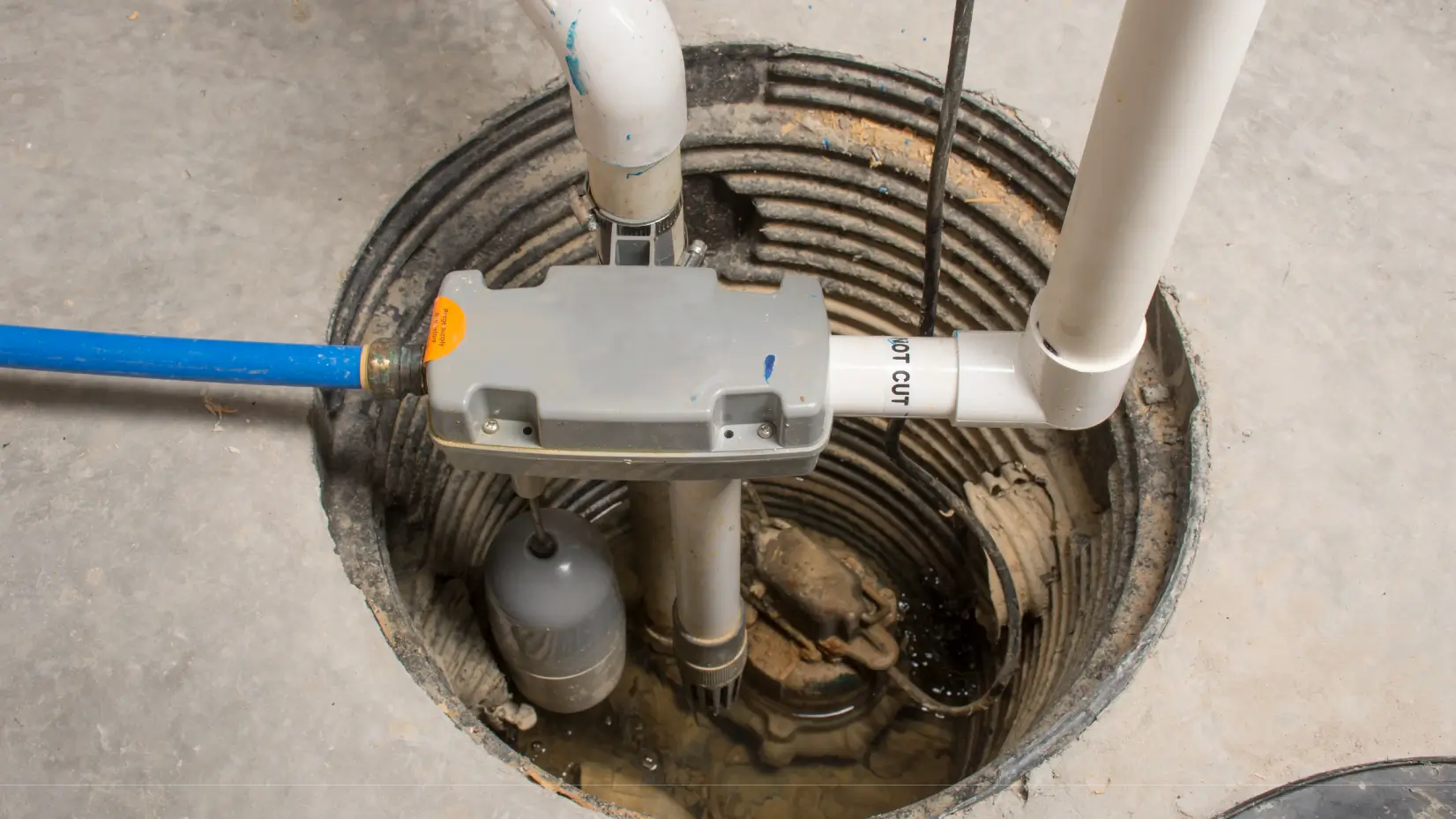
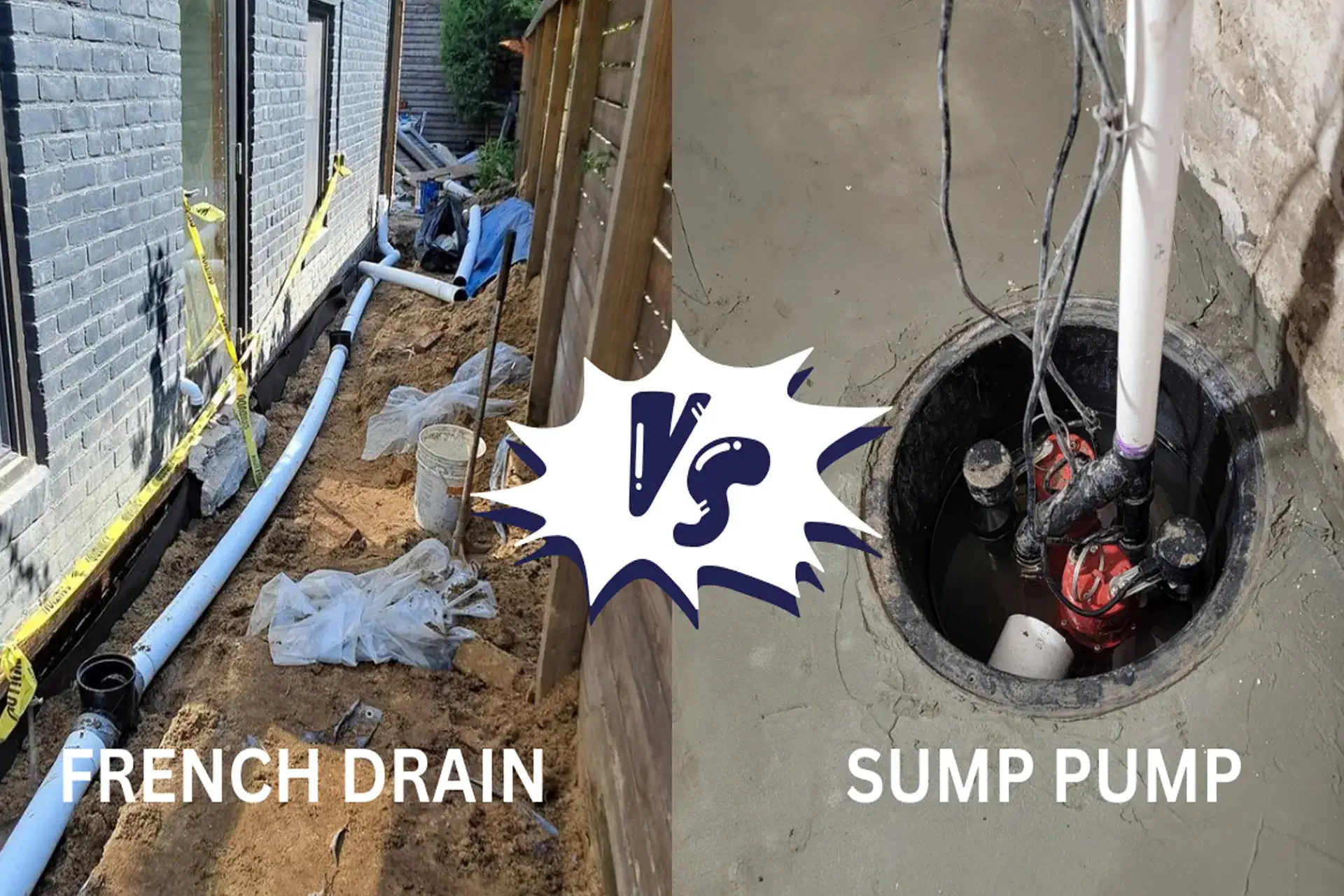
Sump pumps help keep basements and crawl spaces dry. They work by removing water that collects in a sump basin. This basin sits in the lowest part of your home. When water fills the basin, the pump activates. It pushes the water out and away from your house. This prevents flooding and water damage.
Components Of A Sump Pump
A sump pump has a few main parts. The basin is a pit that collects water. The pump itself sits inside this basin. A float switch tells the pump when to start. Pipes carry water away from the house. Some pumps also have a backup battery. This keeps the pump working during power outages.
Installation Process
First, dig a hole where water collects. Place the basin in the hole. Connect the pump inside the basin. Attach the discharge pipe to the pump. Run the pipe outside, away from your home’s foundation. Connect the float switch. Finally, test the pump to ensure it works properly.
Maintenance Tips
Check the pump every few months. Clean the basin to remove dirt and debris. Test the float switch to make sure it moves freely. Inspect the discharge pipe for blockages. Replace the backup battery if needed. Keep the area around the pump clear of clutter.
How French Drains Work
French drains move water away from wet areas in your yard or home. They help stop water buildup and protect your property from damage. Understanding how they work can help you decide if they suit your needs.
Design And Structure
A French drain is a trench filled with gravel or rock. Inside the trench, a perforated pipe carries water away. The gravel lets water flow easily into the pipe. The pipe then directs water to a safe place. This simple design controls water without pumps or electricity.
Installation Methods
First, dig a trench along the problem area. The trench should slope downward for water to flow. Next, line the trench with landscape fabric to keep soil out. Add a layer of gravel, then place the perforated pipe. Cover the pipe with more gravel and fabric. Finally, fill the trench with soil or grass.
Upkeep And Longevity
French drains need little maintenance. Check for blockages or standing water sometimes. Remove debris like leaves or dirt that may clog the pipe. Proper installation helps the drain last many years. With care, it keeps your area dry and safe.
Benefits Of Sump Pumps
Sump pumps offer many benefits for managing water in homes. They help keep basements and crawl spaces dry. This prevents water damage and mold growth. Many homeowners trust sump pumps to protect their property effectively.
Effective Water Removal
Sump pumps quickly remove water from low areas. They pump water out before it causes damage. This keeps basements dry even during heavy rain. The pump directs water away from the house foundation.
Automatic Operation
Sump pumps turn on automatically when water rises. No need to start them manually. This saves time and effort for homeowners. The pump works quietly and efficiently without constant attention.
Ideal Basement Protection
Sump pumps protect basements from flooding and moisture. They reduce the risk of mold and mildew. This helps maintain a healthy indoor environment. A dry basement also preserves the home’s structure.
Credit: rainbowrestores.com
Advantages Of French Drains
French drains offer several benefits for managing water around your home. They help control water flow without needing extra power or moving parts. These drains can work quietly and effectively over time. They blend well into your yard and protect your property from water damage.
Passive Water Management
French drains move water naturally using gravity. No pumps or electricity are needed to work. This lowers maintenance and reduces costs. Water flows through gravel and pipes underground. It safely drains away from your foundation and problem areas.
Landscape Integration
French drains fit easily into your garden or lawn. They can be hidden beneath grass, plants, or stones. This keeps your outdoor space looking neat and natural. The drain does its job without disturbing your yard’s beauty. You can customize the design to match your landscape style.
Preventing Surface Water Build-up
French drains stop puddles and flooding on the surface. They collect water from rain and melting snow quickly. The water drains away before it pools and causes damage. This helps keep paths, driveways, and patios dry. It also protects your home’s foundation from water pressure.
Cost Comparison
Comparing the costs of a sump pump and a French drain helps homeowners make smart choices. Both systems protect your basement from water damage. Yet, their costs vary greatly depending on many factors. Understanding these expenses guides your decision and budget.
Initial Installation Expenses
Sump pumps usually cost less to install than French drains. Installing a sump pump involves digging a small pit and setting up the pump. The average price ranges from $1,000 to $2,500. French drains require digging long trenches and adding gravel and pipes. This process can cost between $2,500 and $7,000. Labor and materials make French drains more expensive upfront.
Long-term Maintenance Costs
Sump pumps need regular checks to keep working well. Pumps may fail and require repairs or replacement every 5 to 10 years. Maintenance can add a few hundred dollars every few years. French drains have low maintenance costs. They rely on gravity and have no moving parts. Clearing debris from the drain is needed sometimes, but costs are minimal.
Energy Usage And Efficiency
Sump pumps use electricity to pump water out. This adds to your energy bill. The average electric cost varies but can be around $50 to $150 yearly. French drains do not use electricity since they work by gravity. This makes them energy-efficient and cheaper to run over time. Choosing a system depends on your budget and energy concerns.
Credit: zavzaseal.com
Suitability For Different Properties
Choosing between a sump pump and a French drain depends on your property’s unique features. Both systems handle water well but suit different conditions. Understanding how soil, climate, and property size affect each system helps you make the right choice.
Soil And Terrain Considerations
Soil type affects how water moves around your home. Clay soil holds water longer, causing more drainage problems. French drains work best in sandy or loose soil where water flows easily. Sump pumps handle heavy clay soils better by pumping water out.
Terrain also matters. Flat land may need a sump pump to remove water actively. Sloped land allows French drains to guide water away naturally. Steep slopes can help French drains work without extra power.
Climate Impact
Climate affects how much water your drainage system must handle. Areas with heavy rain or snow need strong drainage solutions. Sump pumps work well in rainy or flood-prone zones because they remove water quickly. French drains are good in moderate climates with less intense water flow.
Freezing temperatures can affect both systems. Sump pumps need protection from ice to keep working. French drains must be deep enough to avoid freezing and blockage.
Property Size And Layout
Large properties with complex layouts may benefit from sump pumps. They can handle large volumes of water from multiple areas. Smaller properties with simple layouts fit French drains well. French drains require space to install underground pipes and gravel beds.
Property features like basements or crawl spaces also guide the choice. Basements prone to flooding often need sump pumps. Yard drainage issues can be solved by French drains around the home.
Common Problems And Solutions
Both sump pumps and French drains help keep basements dry. Each system has common problems that can affect its performance. Understanding these issues helps you maintain your home better. Simple solutions can extend the life of these drainage systems. Below are some typical problems and easy ways to fix them.
Sump Pump Failures
Sump pumps can stop working due to power outages or mechanical failure. Pumps may clog with dirt or debris. Float switches can get stuck, preventing the pump from turning on. A pump running constantly could indicate a broken switch or improper drainage.
Test your sump pump regularly to ensure it works. Clean the pump and pit to remove any debris. Check the float switch and wiring for damage. Consider a battery backup to keep the pump running during power loss.
French Drain Clogging
French drains can clog with soil, roots, or sediment over time. Poor installation may cause water to pool instead of drain away. Blockages reduce the drain’s ability to remove water effectively.
Inspect your French drain annually for signs of clogging. Remove any visible debris on the surface. Flush the drain with water to clear minor blockages. Professional cleaning may be needed for deep clogs.
Preventive Measures
Regular maintenance prevents many sump pump and French drain problems. Keep the area around your drainage system clear of debris. Test equipment every few months and after heavy rains. Install filters or guards to reduce dirt entering the system.
Proper installation by professionals reduces future issues. Use high-quality materials for better durability. Act quickly if you notice water pooling or slow drainage to avoid damage.
Combining Sump Pumps And French Drains
Combining sump pumps and French drains offers a strong defense against water problems. Each system handles water differently, but together, they protect your home better. This combination can stop water from entering your basement and control soil moisture around your foundation.
When To Use Both Systems
Use both systems in areas with heavy rainfall or poor drainage. If water pools near your foundation and seeps into your basement, both systems help. French drains guide water away from your home’s foundation. Sump pumps then remove any water that collects underground or inside your basement.
Installation Strategies
Install French drains around the perimeter of your home to catch surface water. Place the sump pump in a basin in your basement or crawl space. Connect the French drain to the sump basin if possible. This way, water flows through the drain and into the pump. The pump moves water far from your house, keeping your basement dry.
Maximizing Home Protection
Regularly check both systems for clogs or damage. Keep the sump pump clean and test it often to ensure it works. Clear debris from the French drain to maintain water flow. This teamwork stops water before it causes damage. Combining these systems lowers flood risks and protects your home’s foundation effectively.
Choosing The Right System For Your Home
Choosing the right system for your home can protect your basement and foundation. Both sump pumps and French drains help manage water, but each works best in different situations. Understanding your needs will guide your choice and keep your home dry.
Assessing Water Issues
Check where water collects around your home. Is water pooling near the foundation or seeping into the basement? A sump pump removes water after it enters, ideal for basements prone to flooding. A French drain redirects water before it reaches the foundation. It suits areas with heavy surface water or poor drainage.
Budget And Preferences
Sump pumps usually cost less upfront but need electricity to work. French drains involve more digging and materials, raising installation costs. Sump pumps require regular maintenance to stay effective. French drains often last longer with less upkeep. Think about your budget and how much time you want to spend on maintenance.
Professional Consultation
Consult a drainage expert for a thorough assessment. Professionals can identify hidden problems and recommend the best solution. They ensure proper installation and compliance with local rules. A professional opinion reduces risks and saves money over time.
Frequently Asked Questions
What Is The Main Difference Between A Sump Pump And French Drain?
A sump pump removes water from a sump basin inside the home. A French drain directs water away using a trench filled with gravel and pipe.
How Does A Sump Pump Protect A Basement?
A sump pump pumps out water collected in a sump pit. This prevents flooding and keeps basements dry and safe.
Can A French Drain Prevent Yard Flooding?
Yes, a French drain helps by redirecting surface water away. It stops water from pooling in low areas of your yard.
Which System Is Better For Heavy Water Flow?
Sump pumps handle large amounts of water quickly. French drains work best for slow-moving or surface water drainage.
How Often Should A Sump Pump Be Maintained?
Check a sump pump every 3 to 6 months. Clean the pit and test the pump to ensure it works properly.
Is Installing A French Drain A Diy Project?
French drain installation can be done by homeowners with some effort. It requires digging trenches and laying pipes carefully.
Can Sump Pumps And French Drains Be Used Together?
Yes, they can work together for better water control. French drains direct water to the sump pump for removal.
Conclusion
Choosing between a sump pump and a French drain depends on your needs. Sump pumps move water out quickly from basements. French drains guide water away using gravel and pipes. Both help prevent water damage but work differently. Consider your yard, budget, and water issues.
Proper installation matters to avoid future problems. Taking care of drainage protects your home and saves money. Think about your property’s layout and water flow before deciding. Good drainage keeps your home dry and safe.