
When it comes to keeping your basement dry and safe, choosing the right sump pump is crucial. You might have come across two popular options: submersible and pedestal sump pumps.
But which one is the best fit for your home? Understanding the key differences can save you time, money, and a lot of hassle down the line. You’ll discover how each type works, their pros and cons, and which one suits your specific needs.
By the end, you’ll feel confident making the right choice to protect your home from water damage. Keep reading to find out which sump pump is the perfect match for you.
Credit: www.raptorsupplies.com
Sump Pump Basics
Sump pumps play a vital role in protecting homes from water damage. They keep basements and crawl spaces dry by removing excess water. Understanding the basics of sump pumps helps in choosing the right type for your needs.
What Is A Sump Pump
A sump pump is a device that pumps water out of a sump basin or pit. This pit collects water from drains or rain. The pump activates when water reaches a certain level. It prevents flooding by moving water away from your home’s foundation.
Common Uses And Benefits
Sump pumps are used mainly in basements and low areas. They stop water buildup during heavy rains or melting snow. These pumps protect homes from water damage and mold. Using a sump pump can save money on repairs. They also improve the safety and comfort of your living space.
Submersible Sump Pumps
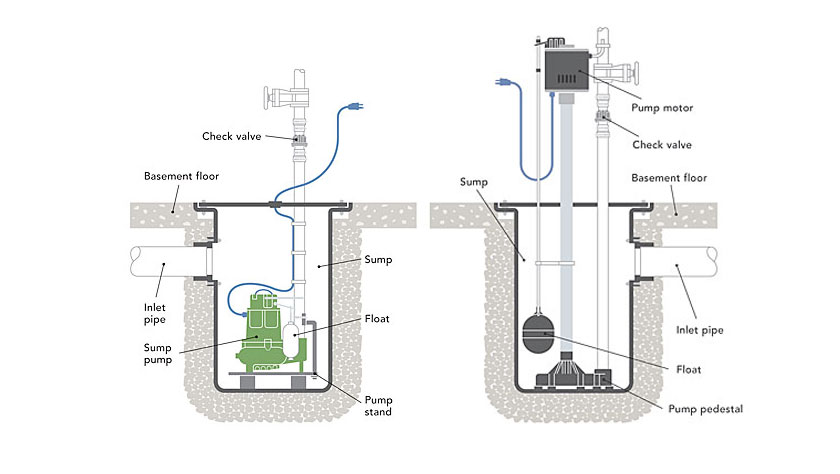
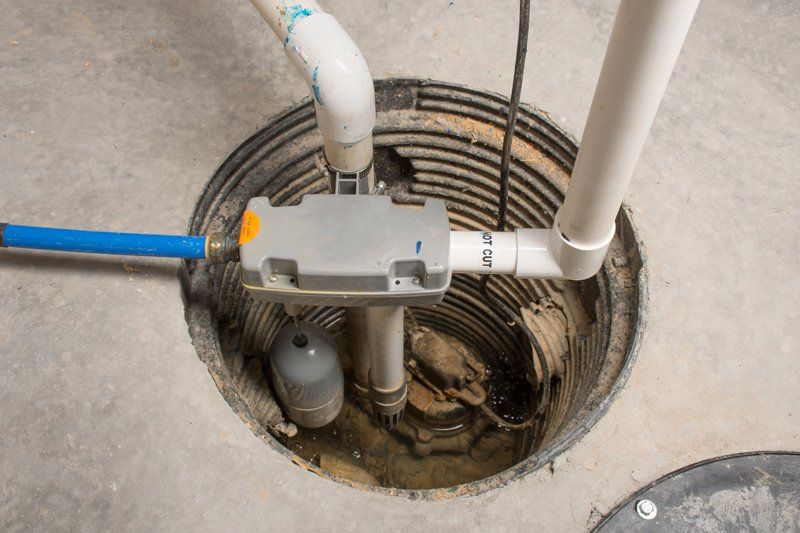
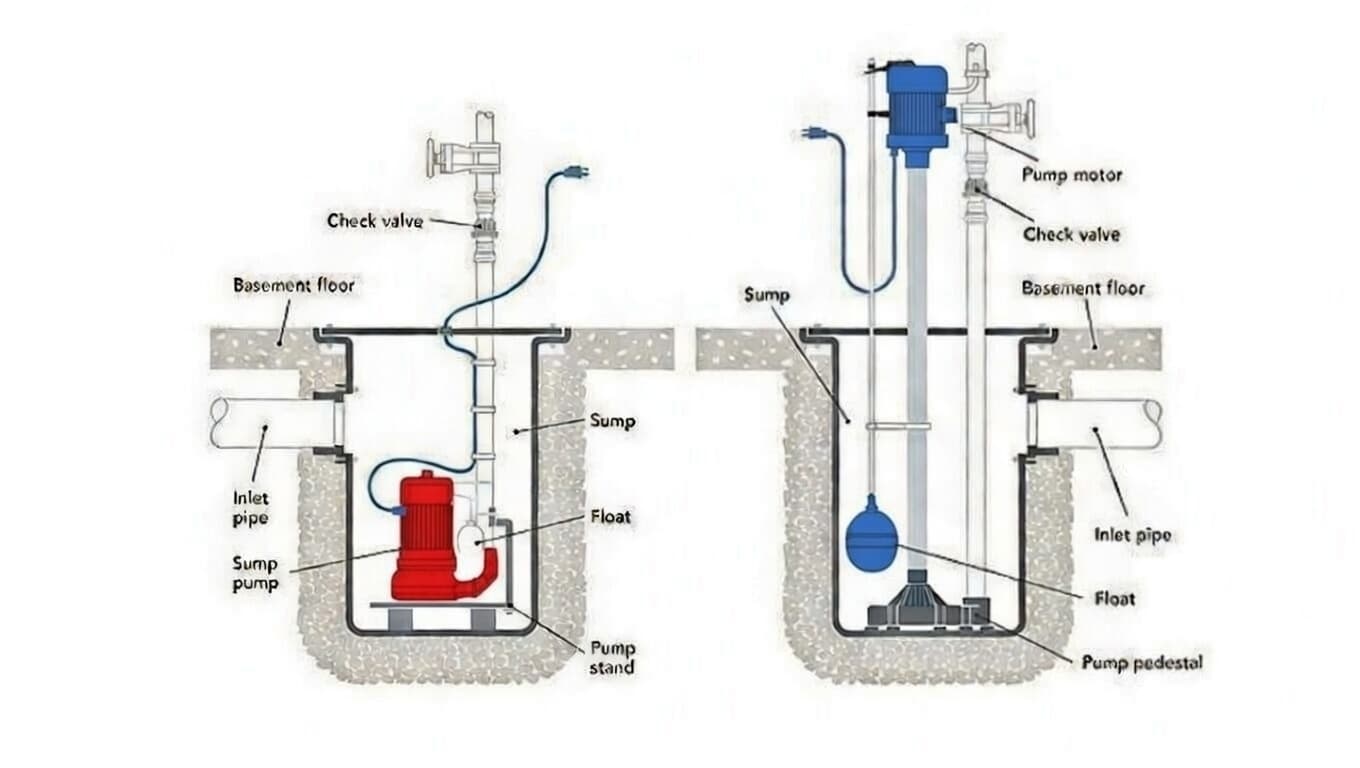
Submersible sump pumps sit inside the sump pit. They work underwater to remove water quickly. These pumps are popular in homes with basements prone to flooding.
They help protect your basement from water damage. Their design makes them quiet and efficient. Let’s explore their design, advantages, and potential drawbacks.
Design And Features
Submersible pumps are sealed to prevent water entry. The motor and pump are combined in one unit. This design allows the pump to sit at the pit’s bottom.
They use a waterproof casing to protect electrical parts. Many models have a built-in float switch. This switch turns the pump on and off automatically.
Advantages
These pumps are quiet because they are underwater. They save space since they fit inside the pit. Submersible pumps handle large water volumes fast.
They are less likely to clog thanks to their design. Their automatic float switch adds convenience and safety. Many users find them easy to install.
Potential Drawbacks
Submersible pumps can be harder to access for repairs. They may be more expensive than pedestal pumps. Water can cause motor damage if seals fail.
Over time, debris might build up around the pump. This can affect performance and require cleaning. Regular maintenance helps avoid these issues.
Pedestal Sump Pumps
Pedestal sump pumps are a common choice for many homeowners. They sit above the sump basin, with the motor on a long shaft. The pump stays underwater in the sump pit while the motor remains dry. This design keeps the motor cooler and easier to access.
These pumps come with simple controls and a float switch to turn them on and off automatically. The setup is straightforward, making pedestal sump pumps a popular option for basic water removal needs.
Design And Features
Pedestal sump pumps have a motor mounted on a tall shaft. The pump part sits at the pit’s bottom. This keeps the motor dry and cool during operation.
The float switch rises with water level, starting the pump automatically. The long shaft design allows easy motor access for repairs or maintenance.
These pumps are usually lighter and less expensive than submersible models. They do not require full submersion, which reduces wear on the motor.
Advantages
Easy to maintain because the motor is above water. Repairs take less time and effort.
Generally cost less upfront compared to submersible pumps. This suits tight budgets well.
The design helps prevent motor damage from water exposure. It also keeps the motor cooler during long use.
Potential Drawbacks
The pump is louder since the motor is outside the pit. Noise may be an issue in quiet spaces.
It takes up more space above the sump pit. This can limit installation options in small basements.
Not ideal for pits with low water levels. The pump must stay submerged to work properly.
Performance Comparison
Choosing between a submersible and a pedestal sump pump means looking closely at how they perform. Each type has different strengths in power, noise, and durability. Understanding these differences helps you pick the right pump for your needs.
Power And Efficiency
Submersible sump pumps sit underwater, pushing water out quickly and efficiently. They use less energy to move large amounts of water. Pedestal pumps have motors above the water, which can be less efficient. They may use more power for the same job.
Noise Levels
Submersible pumps run quietly because the water muffles the motor sound. This makes them ideal for basements or living areas. Pedestal pumps are louder since the motor is outside the water. They create more noise during operation, which some may find distracting.
Durability And Maintenance
Submersible pumps are sealed to prevent water damage, so they last longer underwater. They need less frequent maintenance but can be harder to reach for repairs. Pedestal pumps are easier to access for service. Their motors stay dry but may wear out faster due to exposure to air and dust.
Installation Considerations
Choosing the right sump pump involves thinking about installation. Different pumps need different spaces and setups. This affects how easy or hard it will be to put the pump in your home. Understanding these factors helps you avoid trouble later.
Space And Location
Submersible pumps sit underwater at the bottom of the sump pit. They need enough space inside the pit to fit properly. These pumps are good for small, tight spaces. Pedestal pumps have a motor above the pit. They need more room above the floor. This setup is better if the pit is shallow or narrow.
Ease Of Installation
Submersible pumps are harder to install because they go underwater. You must handle wiring and seals carefully to avoid leaks. Pedestal pumps are easier to install. The motor stays dry and above ground. This means less risk of water damage during setup.
Cost Factors
Submersible pumps cost more due to their design and parts. Installation can also be pricier because of the complexity. Pedestal pumps usually cost less. They have simpler parts and are easier to install. Consider your budget and space when choosing the pump.
Credit: www.rotorooterbck.com
Choosing The Right Pump
Choosing the right sump pump is key to protecting your home from water damage. The choice between a submersible and a pedestal pump depends on many factors. Understanding these factors helps you pick a pump that fits your needs and budget. It also ensures long-term satisfaction and fewer repairs.
Assessing Your Needs
Start by examining your basement or crawl space. Check the amount of water that collects after rain or flooding. A submersible pump works well in deep pits and can handle more water. A pedestal pump suits shallower pits and smaller water volumes. Consider the space available and the ease of installation. Noise level matters too. Submersible pumps are quieter since they sit underwater. Pedestal pumps can be louder because the motor stays above ground.
Budget And Long-term Value
Submersible pumps usually cost more upfront but last longer. They resist corrosion since they stay underwater and are sealed well. Pedestal pumps cost less initially but may need more repairs. Think about electricity costs. Submersible pumps are often more energy efficient. A higher price now may save money on repairs and energy later. Balance price with expected pump life and maintenance needs.
Common Mistakes To Avoid
Avoid buying a pump without measuring your sump pit. Too large or too small pumps waste money and energy. Don’t ignore the pump’s horsepower. Too weak means slow water removal; too strong can damage pipes. Avoid pumps without a backup power source in areas with frequent outages. Skipping regular maintenance leads to early failure. Choose a pump with easy access for cleaning and repairs.
Maintenance Tips
Proper maintenance keeps sump pumps working well and lasts longer. Both submersible and pedestal sump pumps need regular care. Simple steps help avoid costly repairs and flooding problems. Here are key tips to maintain your sump pump.
Routine Checks
Check the pump every three months. Remove dirt and debris from the sump pit. Clean the pump screen to stop clogs. Test the float switch by lifting it to trigger the pump. Make sure the pump turns on and off smoothly. Inspect the power cord for damage. Keep the discharge pipe clear and tight.
Troubleshooting Common Issues
If the pump does not start, check the power source first. Ensure the float switch moves freely without obstruction. Listen for strange noises like grinding or rattling. These could mean a stuck motor or debris inside. Check the discharge pipe for ice or blockages. If the pump runs but does not remove water, the impeller may be damaged. Replace worn parts quickly to avoid bigger problems.
Credit: thebasement.guide
Frequently Asked Questions
What Is The Main Difference Between Submersible And Pedestal Sump Pumps?
Submersible pumps sit underwater inside the sump pit. Pedestal pumps have the motor above the pit, with a long shaft.
Which Sump Pump Type Lasts Longer, Submersible Or Pedestal?
Pedestal pumps often last longer because their motors stay dry. Submersible pumps face more wear from water exposure.
Are Submersible Sump Pumps Quieter Than Pedestal Pumps?
Yes, submersible pumps run quieter as they are underwater. Pedestal pumps tend to be louder due to exposed motors.
Which Sump Pump Is Easier To Install, Submersible Or Pedestal?
Submersible pumps are usually easier to install since they fit inside the pit. Pedestal pumps require more space and mounting.
Can Submersible Pumps Handle Dirty Water Better Than Pedestal Pumps?
Submersible pumps are better for dirty water as they are sealed and submerged. Pedestal pumps can get damaged by debris.
Which Sump Pump Type Is More Cost-effective For Home Use?
Pedestal pumps are generally less expensive upfront and easier to maintain. Submersible pumps cost more but offer better protection.
How Do Maintenance Needs Differ Between Submersible And Pedestal Pumps?
Pedestal pumps need regular motor checks since they are exposed. Submersible pumps require cleaning to prevent clogging but have sealed motors.
Conclusion
Choosing between a submersible and a pedestal sump pump depends on your needs. Submersible pumps sit underwater and save space. Pedestal pumps stand above the sump and are easier to service. Both types help keep basements dry and prevent water damage.
Think about your budget, space, and maintenance comfort. A good pump protects your home from flooding. Pick the one that fits your situation best. Simple and reliable sump pumps keep your home safe and dry.