
When it comes to choosing materials for your projects, you might be wondering: silicone or rubber? Both are popular, but they serve very different purposes.
Understanding the key differences can save you time, money, and frustration. You’ll discover which one fits your needs best. Ready to make the right choice? Keep reading to unlock the secrets behind silicone and rubber.
Material Composition
Material composition defines how silicone and rubber perform in daily use. Their unique structures give them different qualities. Understanding these differences helps choose the right material for any project.
Silicone Structure
Silicone is a synthetic polymer made of silicon, oxygen, carbon, and hydrogen. It has a backbone of alternating silicon and oxygen atoms. This structure creates strong, flexible chains.
Silicone resists heat, water, and chemicals well. It stays stable across a wide temperature range. Its flexibility and durability come from its unique chemical bonds.
Rubber Types
Rubber comes in natural and synthetic forms. Natural rubber is made from latex, a sap from rubber trees. Synthetic rubber is made from petroleum-based chemicals.
Common types include neoprene, nitrile, and silicone rubber. Each type has different strength, elasticity, and resistance. Rubber’s composition varies to suit many uses.

Credit: www.strongflex.com
Durability Factors
Durability plays a key role in choosing between silicone and rubber. Both materials have strengths and weaknesses that affect how long they last. Understanding these factors helps pick the right option for specific uses.
Temperature Resistance
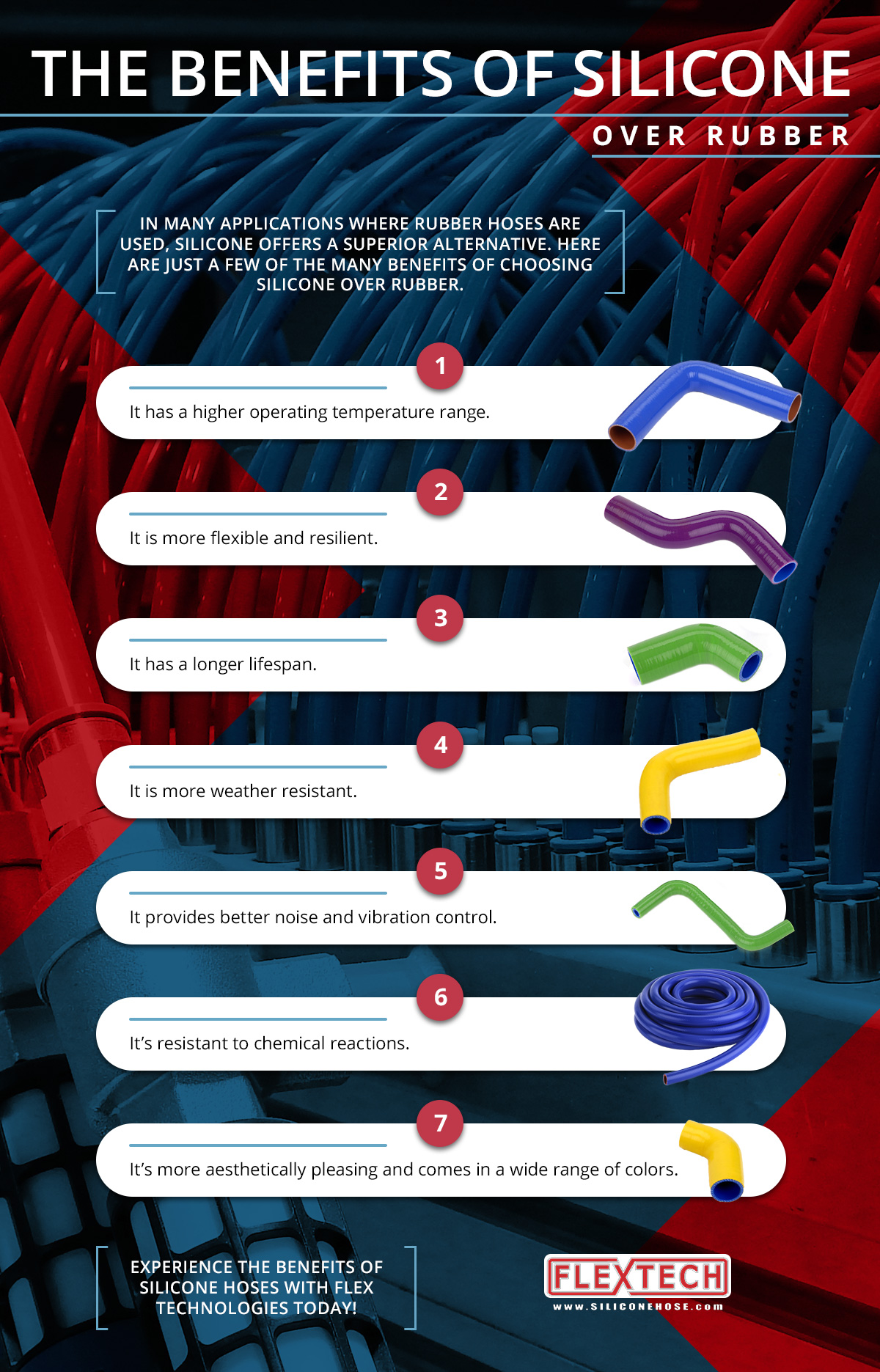
Silicone handles high temperatures better than rubber. It stays stable from -100°F to 500°F. Rubber tends to melt or harden outside a smaller range. This makes silicone ideal for hot or cold environments. Rubber works well in normal temperatures but breaks down faster in heat.
Wear And Tear
Rubber resists physical damage like cuts and tears better than silicone. It is tougher for rough surfaces. Silicone is softer and can stretch more without breaking. However, silicone may wear out faster with constant friction. Rubber’s strength makes it good for heavy-duty tasks.
Chemical Exposure
Silicone resists many chemicals, oils, and solvents better than rubber. It does not swell or degrade easily. Rubber can absorb some chemicals and weaken over time. Silicone suits harsh chemical environments. Rubber is better for dry or less risky conditions.
Flexibility And Elasticity
Flexibility and elasticity are key factors when choosing between silicone and rubber. These properties affect how materials bend, stretch, and return to their original shape. They also impact durability and comfort in many products. Understanding these differences helps pick the right material for your needs.
Stretch And Recovery
Silicone stretches easily without breaking. It can expand to double its length and still bounce back.
Rubber also stretches well but can lose shape after many uses. It may become loose or misshapen over time.
Silicone recovers faster and better. It returns to its original form without damage or cracks.
Rubber takes longer to recover and can show permanent stretch marks.
Compression Resistance
Silicone resists compression better than rubber. It holds its shape under pressure for longer periods.
Rubber compresses easily but may not bounce back fully after heavy loads.
Silicone’s strong compression resistance makes it ideal for seals and gaskets.
Rubber suits applications where softer cushioning is needed but with less durability.
Credit: www.siliconehose.com
Environmental Impact
Understanding the environmental impact of silicone and rubber is important. Both materials affect the planet in different ways. This section explores how they break down and if they can be reused. These factors help decide which material is better for the environment.
Biodegradability
Rubber, especially natural rubber, can break down over time. Microorganisms in soil help degrade it slowly. This process takes months to years depending on conditions. Synthetic rubber does not break down easily. It can stay in the environment for a long time.
Silicone is not biodegradable. It resists bacteria and fungi that cause decay. Silicone items can last for decades without breaking apart. This durability means less waste from frequent replacements. But it also means silicone stays in landfills longer.
Recyclability
Rubber recycling is common, especially for tires. It can be ground into small pieces and reused. Recycled rubber finds new life in playgrounds, mats, and roads. Recycling reduces waste and cuts down raw material use.
Silicone recycling is less widespread. Few facilities accept silicone products for recycling. The recycling process is complicated and costly. Most silicone ends up in landfills or is incinerated. Finding more recycling options for silicone is important for the future.
Common Applications
Silicone and rubber both play important roles in many products. Each material has strengths that fit certain uses better. Understanding where each is commonly used helps choose the right one for a job.
Medical Uses
Silicone is common in medical tools and devices. It is safe for skin contact and does not cause allergies. Silicone tubes and seals are often used in surgery and implants. Rubber is less common in medicine because it can cause irritation. Some rubber products appear in gloves and seals but usually with special treatments.
Automotive Parts
Rubber is widely used in cars. Tires, belts, and gaskets often contain rubber. It handles wear and tear well. Silicone also appears in cars but in different parts. Silicone seals and hoses resist heat and oil. This makes silicone good for engine parts and sensors.
Household Products
Silicone is popular in kitchen tools like spatulas and baking mats. It resists heat and is easy to clean. Rubber appears in household items like door mats and gloves. It is flexible and provides good grip. Both materials help make daily tasks easier and safer.
Cost And Availability
Cost and availability are key factors in choosing between silicone and rubber. They affect the overall budget and ease of procurement. Understanding these differences helps in making a practical choice for your project.
Price Comparison
Silicone usually costs more than rubber. This higher price reflects its durability and heat resistance. Rubber is cheaper and widely used for many basic applications. Silicone’s price varies with quality and grade. Rubber prices are more stable but can rise with demand. Choosing the right material depends on your budget and needs.
Market Accessibility
Rubber is easy to find almost everywhere. It is produced in large quantities worldwide. Silicone may be less common in local stores. Buyers often source silicone from specialized suppliers. Delivery times for silicone can be longer. Rubber suits projects needing quick and easy access. Silicone fits specialized uses requiring specific properties.
Maintenance And Care
Proper maintenance and care keep silicone and rubber products in good shape. Each material needs different care steps to last longer and work well. Knowing how to clean and maintain these materials helps you avoid damage and save money.
Cleaning Methods
Silicone is easy to clean with warm water and mild soap. Avoid harsh chemicals that can damage its surface. Use a soft cloth or sponge to wipe it gently. Rinse well to remove all soap residues.
Rubber requires more careful cleaning. Use mild soap and water, but avoid strong detergents. A soft brush helps remove dirt from rubber’s textured surface. Dry it completely after washing to prevent mold or cracks.
Longevity Tips
Keep silicone away from sharp objects to avoid cuts. Store it in a cool, dry place to prevent warping. Avoid exposing silicone to direct sunlight for long periods.
Rubber lasts longer when kept away from heat and sunlight. Avoid stretching or twisting rubber too much, as it can tear. Use talcum powder on rubber to reduce stickiness and cracking.

Credit: elastostar.com
Frequently Asked Questions
What Are The Main Differences Between Silicone And Rubber?
Silicone is a synthetic material with high heat resistance. Rubber is natural or synthetic, flexible, and less heat-resistant. Silicone lasts longer in extreme conditions.
Is Silicone Better Than Rubber For Heat Resistance?
Silicone can handle temperatures up to 500°F. Rubber usually melts or breaks down at lower heat. Silicone is best for hot environments.
Can Rubber And Silicone Be Used Interchangeably?
Not always. Silicone works well in heat and cold. Rubber is better for flexibility and grip. Choose based on the need.
Which Material Is Safer For Food-grade Products?
Silicone is non-toxic and safe for food use. Rubber may contain chemicals not safe for food. Silicone is preferred for kitchen items.
How Do Silicone And Rubber Differ In Durability?
Silicone resists weather, UV, and chemicals better. Rubber can crack or wear out faster. Silicone lasts longer outdoors.
Is Silicone More Expensive Than Rubber?
Yes, silicone costs more due to its durability. Rubber is cheaper but may need replacement sooner. Cost depends on use and quality.
What Industries Commonly Use Silicone Instead Of Rubber?
Silicone is used in medical, cooking, and electronics. Rubber is common in tires and seals. Silicone suits high-heat and clean environments.
Conclusion
Silicone and rubber each have clear strengths and weaknesses. Silicone handles heat and weather well, staying flexible longer. Rubber offers strong grip and resists wear in tough jobs. Choosing depends on what you need the material to do. Think about the environment and how long it should last.
Both materials serve many uses, but one may fit your project better. Understanding these differences helps you pick the right option every time. Simple choices lead to better results.