
When it comes to securing heavy structures, choosing the right bolt can make all the difference. You might have come across terms like J bolt and anchor bolt, but which one is truly best for your project?
Understanding how these bolts work can save you time, money, and frustration down the line. You’ll discover the key differences between J bolts and anchor bolts, helping you make the smartest choice for your building needs. Keep reading to ensure your project stands strong and lasts longer.
J Bolt Basics
Understanding the basics of J bolts is important for many construction projects. J bolts provide strong support for structures. They differ from other bolts by their unique shape and design. This section explains their design, uses, and material options.
Design And Shape
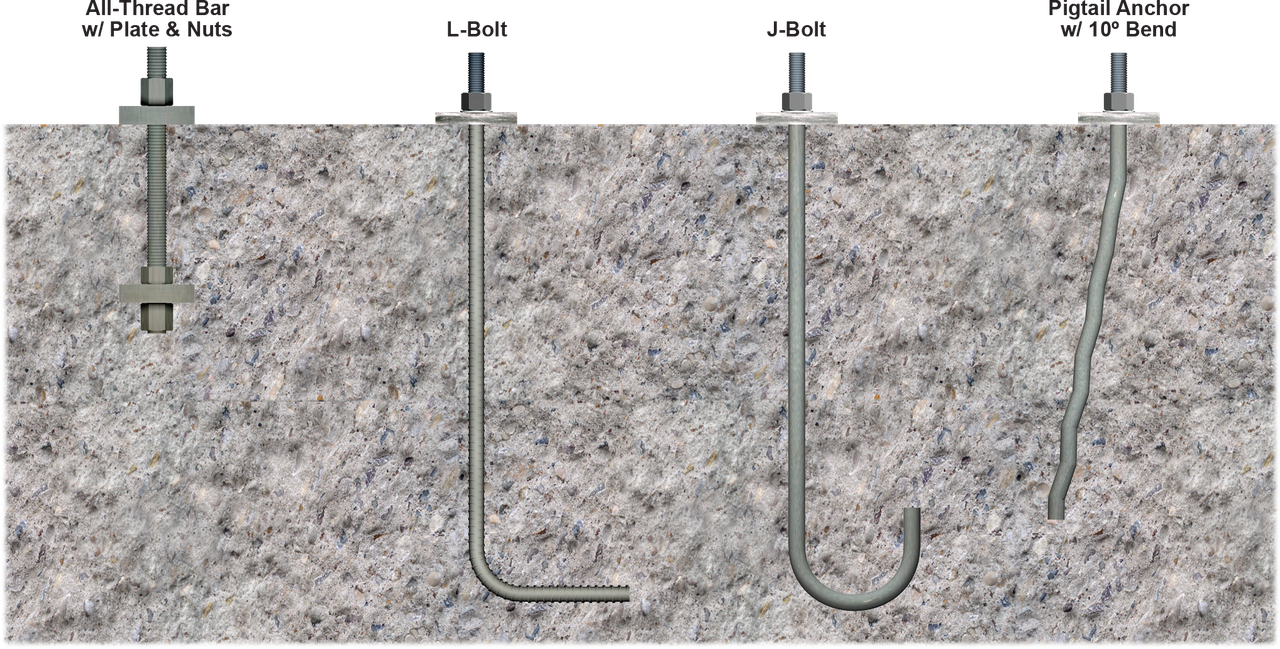
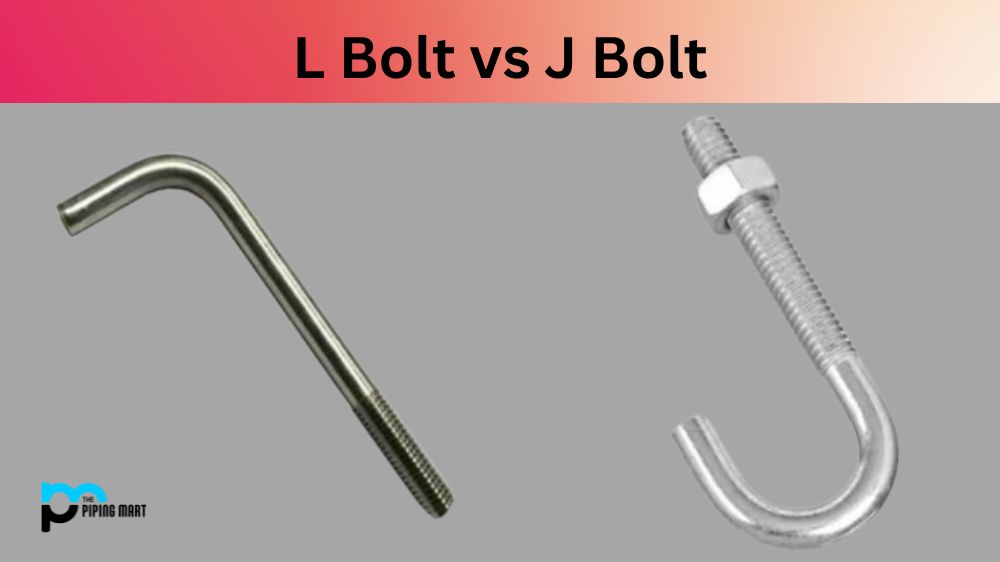
J bolts have a curved end shaped like the letter “J”. This curve helps them grip concrete or other materials firmly. The straight part of the bolt extends above the surface. This allows for easy attachment of structural elements. The shape offers strong resistance against pulling forces.
Common Applications
J bolts are often used in foundation work. They secure steel columns and wooden posts to concrete. They also anchor machinery and equipment. Builders use them in bridges, buildings, and other heavy structures. Their design makes them ideal for holding heavy loads.
Material Options
J bolts come in different materials depending on the project needs. Common materials include stainless steel, carbon steel, and galvanized steel. Stainless steel offers high corrosion resistance. Galvanized steel is coated to prevent rust. Choosing the right material increases the bolt’s lifespan.
Anchor Bolt Essentials
Anchor bolts are key components in construction and engineering. They hold structures firmly to concrete. Understanding their basics helps you choose the right bolt for your project.
Anchor bolts vary in shape and size. Each type suits different needs. Knowing their uses and materials improves safety and strength.
Types Of Anchor Bolts
There are several types of anchor bolts. The most common are L-shaped, J-shaped, and straight bolts. L-shaped bolts have a 90-degree bend to grip concrete better. J-shaped bolts curve like the letter J for strong holding power. Straight bolts rely on nuts and washers for secure fastening.
Typical Uses
Anchor bolts attach steel columns, light poles, and machinery to concrete. They also secure wooden frames and heavy equipment. Builders use them in bridges, buildings, and other structures. Proper bolt choice ensures stability and reduces damage risk.
Material And Coatings
Most anchor bolts are made of steel for strength. Steel types include carbon steel and stainless steel. Coatings protect bolts from rust and corrosion. Common coatings are zinc plating and hot-dip galvanizing. These coatings help bolts last longer outdoors.
Strength Comparison
The strength of J bolts and anchor bolts plays a key role in construction. Understanding their differences helps in choosing the right bolt for any project. This section compares their strength in detail.
Load Bearing Capacity
J bolts have a curved shape that holds well in concrete. This shape allows them to resist pull-out forces effectively. Anchor bolts, usually straight with a bent end, also provide strong load support. They distribute weight evenly across the bolt length. Both types can bear heavy loads, but the design affects how much weight they hold.
Resistance To Shear And Tension
Shear forces cut across the bolt, while tension pulls along its length. J bolts resist tension well because of their hook shape. This prevents the bolt from slipping out of concrete. Anchor bolts handle shear forces better due to their straight design. They resist bending and breaking under side pressure. The choice depends on the type of forces expected in the structure.
Durability Factors
Durability depends on material quality and bolt shape. J bolts often resist corrosion well when coated properly. Their shape protects them inside concrete. Anchor bolts, made from strong steel, last long under harsh conditions. Both need proper installation for maximum durability. Environmental factors like moisture and temperature also affect their lifespan.
Credit: www.williamsform.com
Installation Methods
Installing bolts correctly ensures strong and stable structures. Each type of bolt has its own method for installation. Understanding these methods helps in choosing the right bolt for your project.
Setting J Bolts
J bolts are placed before pouring concrete. The curved end hooks into the concrete to hold it firmly. Position the J bolt in the desired spot and secure it with a brace. Make sure the threaded end sticks out above the concrete surface. Check alignment and spacing carefully before the concrete sets. Allow the concrete to cure fully for a strong hold.
Installing Anchor Bolts
Anchor bolts are installed after the concrete cures. Drill a hole into the concrete at the needed location. Clean the hole to remove dust and debris. Insert the anchor bolt into the hole. Use epoxy or grout to fix the bolt in place. Allow the adhesive to dry before applying any load. Tighten nuts on the anchor bolt to secure objects.
Tools And Equipment Needed
Both bolts require basic tools for installation. A drill with a masonry bit is essential for anchor bolts. Wrenches or socket sets help tighten nuts. Measuring tape and levels ensure correct placement. Braces or clamps hold J bolts steady during concrete pouring. Safety gear like gloves and goggles protect the installer.
Cost And Availability
Cost and availability are key factors when choosing between J bolts and anchor bolts. Both types serve similar purposes but vary in price and supply. Understanding these differences helps keep your project within budget and on schedule.
Price Differences
J bolts often cost less than anchor bolts. Their simple shape requires less material and less machining. Anchor bolts usually have complex shapes or additional parts. This increases their price.
Prices can also vary by size and strength. Larger or stronger bolts cost more. Always compare prices based on your exact needs.
Supplier Options
J bolts are widely available from many suppliers. Their simple design makes them easy to produce and stock. Anchor bolts may have fewer suppliers due to their complexity.
Some suppliers offer custom sizes for anchor bolts. Custom options can increase delivery time and cost. Check supplier availability before ordering.
Impact On Project Budget
Choosing J bolts can reduce material expenses. Lower costs mean more funds for other parts of the project. Anchor bolts might raise your budget due to higher prices.
Availability also affects project timing. Easy-to-find bolts help avoid delays. Delays can increase labor and overhead costs. Plan your purchases carefully for smooth progress.
Credit: blog.thepipingmart.com
Choosing The Right Bolt
Choosing the right bolt is key for a strong and safe structure. J bolts and anchor bolts serve different purposes. Picking the best one depends on many factors. Understanding your project and conditions helps make the right choice.
Here are some points to consider when choosing between J bolts and anchor bolts.
Project Requirements
Identify the load your bolt must hold. J bolts are good for light to medium loads. Anchor bolts work better for heavy loads. Consider the type of material you attach to. Concrete and steel need different bolt types. The shape and size of the bolt matter too.
Environmental Considerations
Check the environment where the bolt will stay. Moist or wet places may cause rust. Stainless steel anchor bolts resist rust well. J bolts may need extra coating for protection. Temperature changes can affect bolt strength. Choose a bolt that can handle your site’s conditions.
Safety Standards
Follow local building codes and safety rules. Some projects require specific bolt types. Using the wrong bolt can cause accidents. Always use bolts tested for your application. Safety should never be compromised. Proper installation is as important as the bolt choice.
Common Mistakes To Avoid
Choosing between J bolts and anchor bolts requires care. Many make mistakes that cause problems later. Avoiding these errors ensures strong, safe structures. Here are common mistakes to watch out for.
Improper Installation
Installing bolts incorrectly weakens the connection. J bolts must be set deep in concrete. Anchor bolts need the right embedment and alignment. Skipping steps or rushing leads to loose fittings. Always follow installation guides carefully.
Incorrect Bolt Selection
Selecting the wrong bolt type harms stability. J bolts suit certain loads and shapes. Anchor bolts work best for heavy, vertical loads. Using a bolt not meant for the job causes failure. Match bolt type to your project needs.
Maintenance Neglect
Ignoring bolt maintenance shortens its life. Rust and corrosion damage bolts over time. Check bolts regularly for signs of wear. Clean and protect bolts to avoid problems. Proper care keeps structures safe and strong.

Credit: boltility.com.sg
Frequently Asked Questions
What Is The Main Difference Between J Bolts And Anchor Bolts?
J bolts have a curved shape, resembling the letter “J,” while anchor bolts are straight with a bent end. J bolts are often used to secure structures to concrete. Anchor bolts are typically embedded in concrete to hold objects firmly.
Where Are J Bolts Commonly Used In Construction?
J bolts are usually used to fasten steel columns or wood to concrete. They provide a strong hold in foundation work and structural framing. Their curved end helps grip the concrete for better stability.
How Do Anchor Bolts Work In Securing Structures?
Anchor bolts are set into concrete to anchor structural elements firmly. They resist tension and shear forces, keeping parts from moving. This makes them essential for strong, stable construction.
Can J Bolts And Anchor Bolts Be Used Interchangeably?
J bolts and anchor bolts serve similar purposes but are not always interchangeable. The choice depends on the shape and load requirements of the project. Using the correct bolt type ensures safety and durability.
What Materials Are J Bolts And Anchor Bolts Made From?
Both J bolts and anchor bolts are usually made from steel, often galvanized for rust resistance. Some may have coatings to protect against corrosion. Steel provides the strength needed for construction support.
How Are J Bolts Installed In Concrete Foundations?
J bolts are placed in wet concrete before it hardens, with the curved end inside. Once cured, they hold tightly to the concrete, allowing attachments. Proper positioning ensures strong connections for structures.
Why Choose Anchor Bolts Over J Bolts For Some Projects?
Anchor bolts offer more flexibility in shape and length for different applications. They provide strong anchorage for heavy loads and are easier to customize. This makes them a better choice for varied construction needs.
Conclusion
Choosing between a J bolt and an anchor bolt depends on your project needs. J bolts work well for securing objects to concrete. Anchor bolts offer strong, reliable support in many construction tasks. Both have unique shapes and uses to consider.
Think about strength, installation, and application before deciding. Using the right bolt ensures safety and stability. Small details make a big difference in construction success. Select wisely for the best results on your job.