
When it comes to plumbing your home, choosing the right fittings can make a big difference in performance and durability. You might be wondering whether brass or plastic PEX fittings are the better choice for your project.
Both have their own strengths and weaknesses, but knowing which one suits your needs can save you time, money, and hassle down the road. You’ll discover the key differences between brass and plastic PEX fittings, so you can make a smart, confident decision for your plumbing system.
Keep reading to find out which option fits your budget, lifestyle, and long-term plans best.
Credit: blog.boshart.com
Material Properties
Material properties play a key role in choosing the right PEX fittings. Brass and plastic are common materials used for these fittings. Each material has unique features that affect performance and lifespan. Understanding these differences helps you make a smarter choice for plumbing projects.
Durability Comparison
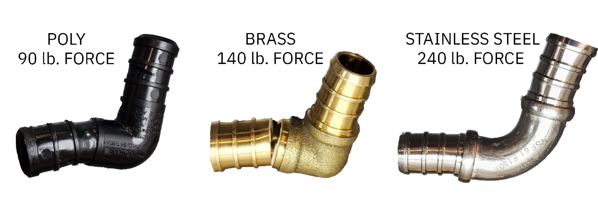
Brass fittings are strong and hard to break. They can handle heavy use and rough handling. Plastic PEX fittings are lighter but less tough. They may crack or wear out faster under stress. Brass lasts longer in most conditions, making it a reliable option.
Corrosion Resistance
Brass resists rust but can corrode in certain water types. Hard water may cause some damage over time. Plastic PEX fittings do not corrode or rust. They stay clean and clear even with different water qualities. This makes plastic good for areas with poor water quality.
Temperature Tolerance
Brass fittings withstand very high temperatures without damage. They work well in hot water systems. Plastic PEX fittings handle heat but have limits. Extreme heat can soften or deform plastic over time. Brass is better for high-temperature plumbing needs.

Credit: www.vpexco.com
Installation Process
The installation process is a key factor when choosing between brass and plastic PEX fittings. It affects the time, effort, and tools needed to complete plumbing jobs. Understanding how each type fits helps ensure a smooth setup and lasting connections.
Ease Of Handling
Plastic PEX fittings are lighter and easier to hold. They reduce hand strain during long jobs. Brass fittings feel heavier and may require more effort to position. Plastic fittings also resist corrosion, making them easier to clean before use.
Tools Required
Brass fittings often need special crimping or compression tools. These tools ensure tight seals but add to the cost. Plastic fittings usually work with simpler tools like push-fit or clamp rings. Fewer tools mean faster work and less hassle.
Joining Techniques
Brass fittings join by crimping or threading. Crimping requires skill for a secure connection. Threading can leak if not sealed properly. Plastic fittings use push-fit or clamp systems. These methods snap the pieces together quickly and securely.
Cost Considerations
Choosing between brass and plastic PEX fittings involves weighing cost factors. This decision impacts your budget both now and later. Understanding these costs helps make a smarter choice for your plumbing needs.
Initial Purchase Price
Plastic PEX fittings cost less upfront. They are cheaper to produce and buy. Brass fittings carry a higher price tag due to raw materials and manufacturing. For large projects, plastic fittings save money right away.
Long-term Maintenance
Brass fittings require less care over time. They resist corrosion and damage better. Plastic fittings might need extra checks and repairs. Maintenance costs can add up with plastic, raising total expenses.
Replacement Frequency
Plastic fittings may wear out faster than brass. Frequent replacements increase overall spending. Brass fittings last longer, reducing replacement needs. Fewer replacements mean less hassle and cost over years.
Performance In Plumbing Systems
Choosing the right fitting matters for plumbing system performance. Brass and plastic PEX fittings serve different roles. Understanding their strengths helps make smart decisions. Performance depends on pressure, leak control, and pipe compatibility.
Pressure Handling
Brass fittings handle high pressure well. They resist cracking under stress. This strength suits hot water systems and high-pressure lines. Plastic PEX fittings work best at lower pressures. They bend slightly without breaking. Overloading plastic fittings can cause damage.
Leak Prevention
Brass fittings form tight, durable seals. They reduce the chance of leaks over time. Plastic fittings also seal well but may degrade faster. Heat and sunlight can weaken plastic seals. Proper installation improves leak resistance for both types.
Compatibility With Pipes
Brass fittings fit most pipe types easily. They connect with copper, PEX, and CPVC pipes. Plastic fittings mainly work with PEX pipes. They provide flexibility and ease of connection. Using the right fitting ensures a secure plumbing system.
Environmental Impact
Choosing between brass and plastic PEX fittings affects the environment in different ways. Both materials have unique impacts on nature and health. Understanding these helps make smarter, greener choices for plumbing projects.
Recyclability
Brass is fully recyclable without losing quality. It can be melted and reused many times. This reduces waste and conserves natural resources. Plastic PEX fittings are harder to recycle. They often end up in landfills. Plastic breaks down very slowly, causing long-term pollution.
Manufacturing Footprint
Making brass fittings requires mining and heavy energy use. This creates more pollution and uses more water. Plastic PEX fittings need less energy and fewer raw materials to produce. Still, plastic is made from fossil fuels, which are non-renewable. Both types impact the environment but in different ways.
Safety And Health Concerns
Brass fittings may contain small amounts of lead, which can be harmful. Lead can leach into drinking water if not properly regulated. Plastic PEX fittings do not have lead but may release chemicals over time. These chemicals could affect water quality. Choosing safe, certified products is important for health.
Common Applications
Brass and plastic PEX fittings serve different roles in plumbing systems. Each type fits specific needs and settings. Understanding their common applications helps choose the right fitting for any project.
Residential Uses
Brass fittings are popular in homes for water supply lines. They resist corrosion and handle high temperatures well. Plastic PEX fittings are easy to install and flexible. They suit cold water lines and radiant heating systems. Many homeowners prefer plastic fittings for quick repairs and renovations.
Commercial Uses
Brass fittings are common in commercial buildings. They offer durability and meet strict building codes. These fittings handle heavy use in offices and stores. Plastic PEX fittings appear in smaller commercial settings. They work well for low-pressure systems and quick installations. Businesses often choose plastic for cost savings and ease of use.
Specialized Situations
Brass fittings fit specialized cases needing strong, long-lasting connections. They are ideal for outdoor plumbing and harsh environments. Plastic PEX fittings excel in areas requiring flexibility and resistance to chemicals. They are useful in medical and food-grade plumbing systems. Both types have unique strengths for specific tasks.
Pros And Cons Summary
Choosing between brass and plastic PEX fittings needs careful thought. Each type has its strong points and some limits. Knowing these helps pick the right fitting for your plumbing work.
Advantages Of Brass Fittings
Brass fittings are very strong and last a long time. They handle high temperatures well. They resist damage from sunlight and chemicals. Brass fittings also create a tight seal, reducing leaks. They work well with many pipe types. This makes them versatile for different plumbing jobs.
Advantages Of Plastic Pex Fittings
Plastic PEX fittings are lightweight and easy to handle. They do not rust or corrode over time. These fittings are flexible, making installation faster. Plastic PEX fittings cost less than brass. They resist freezing better, reducing pipe bursts. Ideal for water supply lines in homes.
Potential Drawbacks
Brass fittings can be expensive compared to plastic. They may corrode if water is very acidic. Brass fittings are heavier and harder to install. Plastic PEX fittings can crack under high pressure. They may degrade with long exposure to sunlight. Not suitable for outdoor use without protection.
Credit: blog.brennaninc.com
Tips For Choosing The Right Fitting
Choosing the right fitting for your PEX plumbing project affects durability and performance. Brass and plastic PEX fittings both offer benefits. Making the right choice requires knowing your project’s demands. Consider the environment, water quality, and pipe compatibility. These tips help you pick the best fitting for your needs.
Assessing Project Needs
Start by understanding your plumbing system. Brass fittings suit high-temperature or high-pressure pipes. Plastic fittings work well in standard home systems. Check pipe sizes and connection types. Think about where the fitting will be installed. Wet or dry areas may need different materials. Consider water quality, as some water types react with metal. Choose a fitting that matches your system’s specific needs.
Budget Considerations
Brass fittings cost more than plastic ones. They last longer and resist damage better. Plastic fittings are cheaper and easier to install. For small or temporary projects, plastic may be enough. For long-term use, brass can save money in repairs. Balance upfront costs with future savings. Decide what fits your budget and project length.
Consulting Professionals
Talk to plumbers or experts before buying fittings. They know which materials work best locally. Professionals can suggest brands and types that fit your system. They help avoid mistakes that cause leaks or damage. Getting advice saves time and money. Trust their experience to guide your choice.
Frequently Asked Questions
What Are The Main Differences Between Brass And Plastic Pex Fittings?
Brass fittings are metal, strong, and heat resistant. Plastic fittings are lighter, cheaper, and resist corrosion. Both work well but suit different needs.
Which Pex Fitting Lasts Longer, Brass Or Plastic?
Brass fittings generally last longer due to their metal strength. Plastic fittings can wear out faster under stress or heat. Lifespan depends on use and environment.
Are Brass Or Plastic Pex Fittings Easier To Install?
Plastic PEX fittings are usually easier to install because they are lighter and more flexible. Brass fittings need more care but provide tight seals. Both require proper tools.
Can Brass Pex Fittings Handle Higher Temperatures Than Plastic?
Yes, brass fittings handle higher temperatures better than plastic ones. Plastic fittings may soften or deform in very hot water. Choose brass for hot water lines.
Do Plastic Pex Fittings Resist Corrosion Better Than Brass?
Plastic fittings resist corrosion better because they don’t rust or oxidize. Brass can corrode over time, especially with certain water types. Plastic suits corrosive water conditions.
Are Brass Pex Fittings More Expensive Than Plastic Ones?
Brass fittings typically cost more due to metal material and durability. Plastic fittings are cheaper but may need replacement sooner. Budget and project size matter.
Which Pex Fittings Are Safer For Drinking Water?
Both brass and plastic PEX fittings are safe if certified for potable water. Brass fittings should be lead-free for safety. Plastic fittings avoid metal taste or contamination.
Conclusion
Brass and plastic PEX fittings each have their own strengths. Brass fittings offer durability and strong resistance to heat. Plastic fittings are lightweight and resist corrosion well. Choose the right one based on your budget and project needs. Both types work well with PEX pipes.
Careful selection helps ensure a reliable plumbing system. Think about where and how you will use the fittings. This will guide you to the best choice for your home or business.