
Is your Hayward pool heater leaking water? This can be frustrating and worrying, especially when you rely on your heater to keep your pool warm and comfortable.
You might be wondering what’s causing the leak and how to fix it before it turns into a bigger problem. Don’t worry—you’re not alone, and there are simple steps you can take to identify the issue and protect your pool system.
Keep reading to discover why your Hayward pool heater might be leaking and what you can do right now to stop the drip and save your heater.
Credit: www.troublefreepool.com
Common Leak Sources
Hayward pool heaters may leak water from several common areas. Identifying these spots helps fix leaks quickly. Regular checks prevent bigger damage and save money. Here are the main places to inspect for leaks in your heater.
Pump And Filter Connections
Leaks often start at pump and filter connections. These joints handle high water flow and pressure. Over time, seals can wear out or loosen. Tightening fittings or replacing seals usually stops leaks here. Check these areas regularly for moisture or drips.
Heater Core And Heat Exchanger
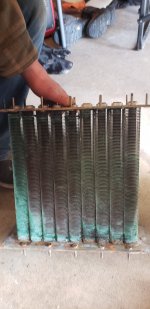
The heater core and heat exchanger are inside the unit. Cracks or corrosion can cause leaks in these parts. Leaks here may lead to water mixing with gas or electricity. Watch for rust stains or water pooling under the heater. Professional help is best for this issue.
Pressure Relief Valve
The pressure relief valve releases excess pressure to protect the heater. If it leaks, it may be stuck open or damaged. This valve is near the top of the heater and can drip water. Cleaning or replacing the valve can stop leaks and ensure safety.
Drain Valve And Plugs
Drain valves and plugs allow water to exit the heater. Loose or broken valves cause water to leak. Check these parts during seasonal maintenance. Tighten or replace faulty valves and plugs to keep your heater sealed tight.

Credit: www.youtube.com
Identifying Leak Signs
Detecting a leak in your Hayward pool heater early saves time and money. Leaks reduce heating efficiency and can cause bigger problems. Knowing the signs helps you act quickly. Watch for clear signals that point to water escaping from the system.
Visible Water Drips
Water drops forming around the heater are a clear sign of leaks. Check under the heater and around pipe connections. Even small drips can mean a bigger problem inside the unit. Look for wet spots or puddles near the base.
Unusual Noises
Strange sounds like hissing or dripping may signal a leak. These noises happen when water escapes under pressure. Listen closely during heater operation. Any new or odd sounds deserve a closer look.
Pressure Fluctuations
Pressure changes in the pool’s plumbing often point to leaks. Watch your pressure gauge for sudden drops. A steady pressure level is normal, but dips can mean water loss. This affects heater performance and pool heating.
Corrosion And Rust Spots
Rust or corrosion on heater parts often shows water leakage. Moisture causes metal parts to degrade over time. Check around joints, valves, and the heater body. These spots reveal ongoing leaks that need repair.
Quick Fixes For Leaks
Leaks in a Hayward pool heater can cause water loss and reduce heater efficiency. Quick fixes can stop small leaks fast. These fixes save money and keep your pool warm. Use simple tools and parts for these repairs. Fix problems before they get worse.
Tightening Loose Fittings
Loose fittings often cause water to leak. Check all connections around the heater. Use a wrench to tighten nuts and bolts carefully. Avoid overtightening, which can damage parts. Tight fittings stop water from escaping. Inspect fittings regularly for safety.
Replacing Worn Seals
Seals wear out over time and cause leaks. Find the damaged seal by checking around joints. Remove the old seal and clean the area. Install a new seal that fits your heater model. This stops leaks and protects internal parts. Replace seals every season for best results.
Cleaning And Clearing Blockages
Blockages cause pressure build-up and leaks. Turn off the heater before cleaning. Remove debris from pipes and filters carefully. Use a soft brush or water to clear dirt. Clear pipes help water flow smoothly. Check for blockages regularly to avoid leaks.
Temporary Leak Sealants
Sealants can stop leaks quickly for a short time. Choose a sealant that works with pool heaters. Apply it on the wet or dry surface as instructed. Sealants fill small cracks and holes. Use them only as a temporary fix. Plan for a permanent repair soon after.
When To Call A Professional
Knowing when to call a professional for a Hayward pool heater leaking water can save time and money. Some issues need expert skills and tools to fix properly. Trying to repair complex problems alone might cause more damage. Here are signs that show it’s time to get professional help.
Persistent Leaks After Repairs
If you fix the leak but water keeps dripping, call a professional. Persistent leaks may mean hidden damage or incorrect repairs. Experts can find the root cause quickly. They use special tools to check all parts thoroughly.
Complex Component Damage
Leaks from inside the heater’s core parts need expert attention. Components like heat exchangers or valves are delicate. Damage here can cause bigger problems or unsafe conditions. Professionals know how to handle these parts safely and correctly.
Safety Concerns
Water leaks near electrical parts create safety risks. Risk of electric shock or fire increases with water and electricity close. Professionals follow safety rules to avoid accidents. They also check for gas leaks if your heater uses gas.
Warranty And Service Options
Check your heater’s warranty before fixing it yourself. Some repairs may void the warranty if done incorrectly. Professionals often offer service plans and guarantees. Using certified technicians keeps your warranty valid and protects your investment.
Preventive Maintenance Tips
Preventive maintenance keeps your Hayward pool heater working well. Small efforts stop leaks and save money. Follow simple steps to protect your heater and your pool.
Regular Inspections
Check your pool heater every month. Look for wet spots or rust near pipes and joints. Tighten any loose bolts or screws. Early signs of leaks are often easy to fix. Catch problems before they get worse.
Seasonal Shutdown Procedures
Turn off your heater before winter or long breaks. Drain water from the heater to avoid freezing damage. Cover the unit with a weatherproof cover. Proper shutdown prevents cracks and leaks during cold months.
Water Chemistry Management
Keep pool water balanced. Test pH, alkalinity, and calcium levels regularly. Imbalanced water can corrode heater parts and cause leaks. Use chemicals carefully to protect the heater’s inside and outside.
Proper Installation Practices
Install the heater on a flat, stable surface. Use correct fittings and follow manufacturer instructions. Poor installation can cause stress on pipes and joints. A well-installed heater lasts longer and stays leak-free.

Credit: www.youtube.com
Frequently Asked Questions
Why Is My Hayward Pool Heater Leaking Water?
Leaks often happen due to worn seals, loose fittings, or cracked pipes in the heater.
How Can I Find The Leak In My Pool Heater?
Check around the heater’s joints, seals, and connections for visible water or dampness.
Can I Fix A Hayward Pool Heater Leak Myself?
Small leaks from loose fittings can be fixed, but major repairs need a professional.
Does A Leaking Pool Heater Affect Heating Performance?
Yes, leaks reduce water flow and heat transfer, causing poor heater performance.
How Much Does It Cost To Repair A Leaking Hayward Heater?
Repair costs vary; minor fixes are affordable, while pipe or part replacements cost more.
How To Prevent Future Leaks In My Hayward Pool Heater?
Regular maintenance, cleaning, and inspecting seals help keep your heater leak-free longer.
Conclusion
A leaking Hayward pool heater can cause many problems. Small leaks may lead to bigger damage over time. Check your heater regularly to catch leaks early. Tighten fittings or replace worn parts to stop leaks. If leaks continue, call a professional for help.
Keeping your heater leak-free saves money and keeps your pool safe. Don’t ignore even small water drops around your heater. Fixing leaks quickly protects your pool and heater’s lifespan. Stay on top of maintenance to enjoy warm, clean water.