
Thinking about adding a shower to your basement’s half bath? You’re not alone.
Upgrading a small space like this can make a huge difference in your home’s comfort and value. Imagine having a fully functional bathroom downstairs—perfect for guests, family members, or even as a private retreat. But where do you start? This guide will walk you through the must-know tips and tricks to turn your half bath into a practical, stylish shower space without stress or guesswork.
Keep reading—you’ll discover how simple changes can transform your basement bathroom into something truly useful and inviting.
Benefits Of Adding A Shower
Adding a shower to a half bath in the basement brings many benefits. It changes a simple space into a more useful area. This upgrade can improve daily life and increase your home’s value. Here are some key benefits of adding a shower.
Increased Home Value
A shower in the basement boosts your home’s market value. Buyers prefer homes with extra bathrooms. It makes your property more attractive to families and guests. More bathrooms often mean higher selling prices. This simple addition can pay off when selling your home.
Enhanced Functionality
The basement half bath becomes more functional with a shower. It serves as a full bathroom for guests or family. You can use it after workouts or outdoor activities. It helps keep the main bathrooms free. This upgrade adds real value to your daily routine.
Improved Convenience
A basement shower offers great convenience. Family members can shower without going upstairs. It reduces waiting times during busy mornings. Guests enjoy privacy and comfort in the basement. This small change makes life easier for everyone.
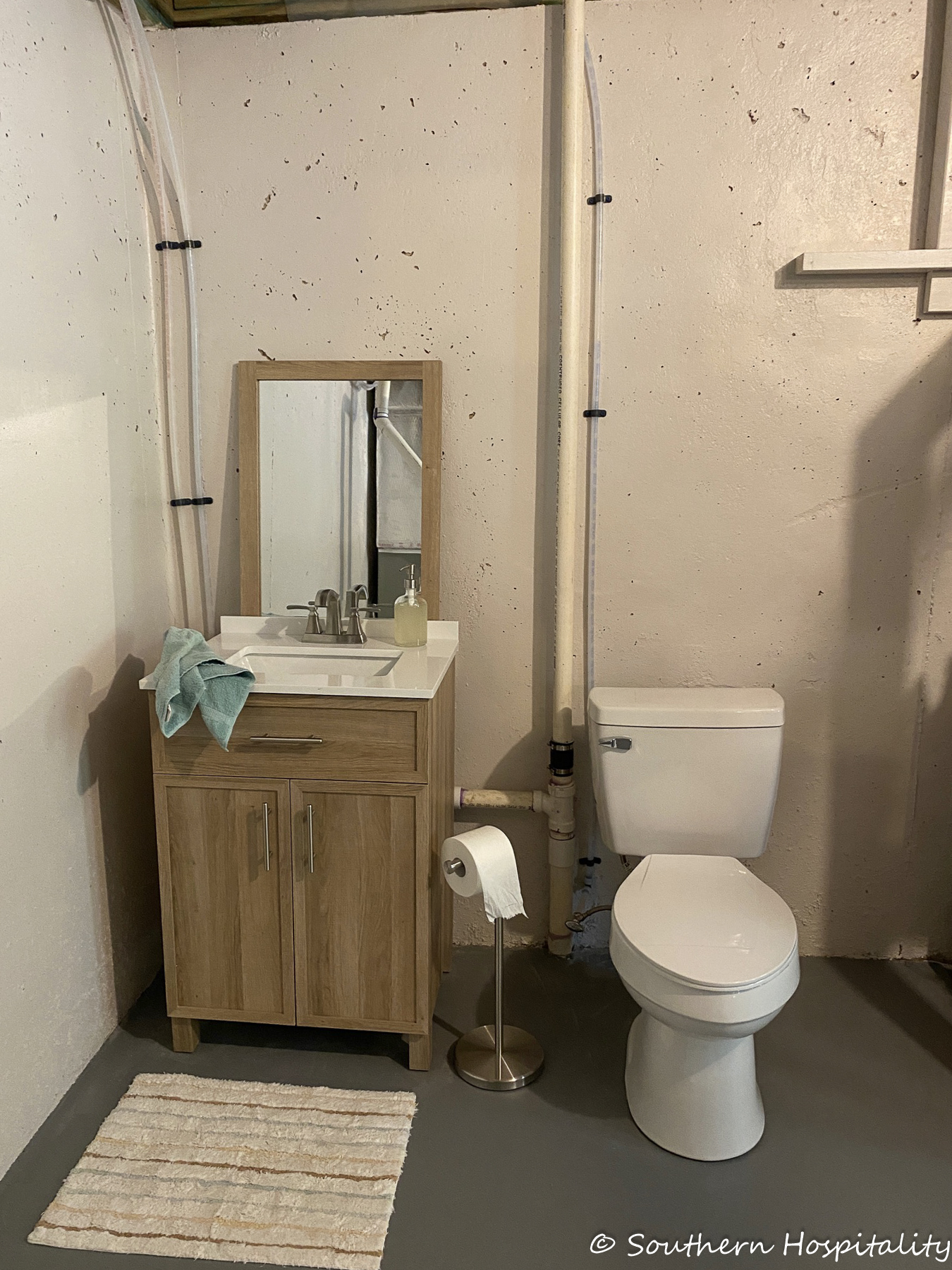
Credit: southernhospitalityblog.com
Assessing Your Basement Space
Adding a shower to a half bath in your basement can improve your home’s comfort and value. Before starting, assess your basement space carefully. This helps avoid costly mistakes and ensures the shower fits well. Focus on three key areas: measuring the available space, checking plumbing access, and evaluating ventilation options.
Measuring Available Area
Measure the basement area where you want to add the shower. Use a tape measure to get the length, width, and height. Note any obstacles like pipes, beams, or doors. Make sure there is enough room for a comfortable shower stall. Consider extra space for a door or curtain.
Checking Plumbing Access
Locate the existing plumbing pipes in the basement. Identify water supply lines and drainage points. Check if they are near the half bath or if new lines are needed. Easy access to plumbing reduces installation costs. Confirm the pipes can handle the water pressure for a shower.
Evaluating Ventilation Options
Good ventilation prevents moisture problems in your basement. Look for windows or existing vents near the half bath. If none exist, plan to add a ventilation fan. Choose a fan that moves enough air to keep the space dry. Proper ventilation helps avoid mold and damage.
Choosing The Right Shower Type
Choosing the right shower type for a basement half bath is important. The space is often small and may have low ceilings. Picking the best shower saves space and adds comfort. It also makes the basement feel more useful and complete.
Walk-in Showers
Walk-in showers are open and easy to use. They do not have a door or curtain, which makes the space feel bigger. These showers work well in basements with limited room. They offer a modern look and are easy to clean. You can add a bench or shelves for extra comfort.
Corner Shower Units
Corner shower units fit into tight spaces. They use the corner of the bathroom to save floor space. These showers come in many shapes, like square or neo-angle. They help keep the rest of the bathroom free for other uses. Corner units are good for basements with odd layouts.
Prefabricated Shower Kits
Prefabricated shower kits include all parts in one box. They are quick to install and often cost less. These kits come in various sizes to fit small bathrooms. The materials are durable and easy to maintain. Prefabricated kits are a smart choice for basement half baths.

Credit: www.youtube.com
Planning Plumbing And Drainage
Adding a shower to a half bath in your basement needs careful plumbing and drainage planning. Plumbing must handle water supply and waste without leaks or clogs. Drainage must keep water flowing away safely to avoid floods or damage. This section covers key plumbing and drainage steps to prepare your basement shower.
Connecting To Existing Pipes
Use current water lines to reduce costs and work. Locate hot and cold water pipes near the half bath. Tap into these pipes with proper fittings for your shower. Check pipe size and pressure to ensure a steady water flow. Connect drain pipes to the home’s main waste line carefully. Use traps to prevent sewer gases from entering the room.
Installing New Drain Lines
New drain lines may be necessary if existing pipes are too far. Plan the drain slope to allow water to flow smoothly. Use PVC pipes designed for drainage and venting. Vent pipes help air flow and prevent slow drainage. Install clean-outs for easy future maintenance. Test the system for leaks and blockages before closing walls.
Waterproofing Considerations
Wet areas need strong waterproofing to avoid mold and damage. Seal walls and floors with waterproof membranes or coatings. Use water-resistant drywall or cement board behind shower walls. Apply proper flashing around shower bases and fixtures. Check that all joints and corners are tightly sealed. Proper waterproofing keeps your basement dry and safe.
Design Tips For Small Spaces
Designing a shower in a small basement half bath can be a challenge. Space is limited, but smart choices can make the area feel larger and more open. Using the right colors, fixtures, and storage helps create a practical and stylish bathroom.
Using Glass And Light Colors
Clear glass shower doors create an open look. They let light pass through and do not block sight lines. Light colors on walls and tiles reflect light. Whites, soft greys, and pastels make the space feel airy and bright.
Installing Compact Fixtures
Choose small sinks and toilets to save space. Corner sinks or wall-mounted toilets free up floor room. Slim shower bases fit tight spots without sacrificing comfort. Compact fixtures keep the room functional and uncluttered.
Maximizing Storage Solutions
Use vertical storage to keep floors clear. Wall shelves and recessed niches hold toiletries neatly. Hooks and towel bars save space and keep items organized. Clever storage helps maintain a tidy, spacious feel in a small bathroom.
Diy Vs Professional Installation
Adding a shower to a half bath in your basement can improve your home’s value and comfort. Deciding between doing it yourself or hiring a professional is important. Both choices have pros and cons. This section breaks down the key points to help you decide.
Cost Comparison
DIY installation can save money on labor fees. You only pay for materials and tools. Yet, mistakes may cause extra costs later. Professionals charge more upfront. They bring experience and tools. This can reduce waste and errors. Compare prices carefully before choosing.
Skill Requirements
Installing a shower needs plumbing and tiling skills. DIY projects require learning and patience. Mistakes might cause leaks or damage. Professionals have training and experience. They complete the job faster and correctly. Assess your skills honestly before deciding.
Permits And Inspections
Adding a shower often needs permits from your city. Inspections ensure the work follows rules. Professionals usually handle permits and inspections. DIYers must research local laws. Skipping permits risks fines or problems selling your home. Always check rules before starting.
Budgeting Your Project
Adding a shower to a half bath in your basement is a smart way to increase home value and comfort. Budgeting is a key step. Knowing costs helps avoid surprises and keeps your project on track.
Material Costs
Materials include the shower unit, tiles, plumbing parts, and fixtures. Prices vary based on style and quality. Basic shower kits cost less but offer fewer features. Tiles and grout add to the price. Choose materials that fit your budget and style.
Labor Expenses
Labor often takes up a large part of the budget. Plumbers and contractors charge by the hour or project. Complex plumbing or electrical work raises costs. Get quotes from several professionals. Clear communication helps avoid extra fees later.
Contingency Planning
Unexpected expenses can happen during basement work. Old pipes or wiring may need repair. Set aside 10-20% of your budget for surprises. This cushion prevents stress and delays. Planning ahead keeps your project smooth and on time.

Credit: www.youtube.com
Maintaining Your New Basement Shower
Adding a shower to your basement half bath is a smart upgrade. Keeping it clean and well-maintained ensures it lasts long. Regular care prevents damage and keeps your shower fresh. This section covers simple steps to maintain your new basement shower.
Regular Cleaning Tips
Clean your shower at least once a week. Use mild soap and warm water for all surfaces. Avoid harsh cleaners that can damage tiles or fixtures. Wipe down walls and glass doors after each use. This stops water spots and soap scum build-up. Keep a squeegee or microfiber cloth nearby for quick cleaning.
Preventing Mold And Mildew
Basements are prone to dampness, which leads to mold. Ventilate your bathroom after every shower. Use a small fan or open a window if possible. Dry wet surfaces quickly to stop mold growth. Use mold-resistant paint on walls and ceilings. Check corners and grout lines regularly for signs of mold.
Routine Plumbing Checks
Inspect shower fixtures monthly for leaks or drips. Tighten loose handles or showerheads to avoid water waste. Check the drain for slow drainage and clear any clogs. Keep an eye on water pressure to ensure proper flow. Call a plumber if you notice persistent leaks or unusual noises.
Frequently Asked Questions
Can I Add A Shower To Any Basement Half Bath?
Yes, you can add a shower if plumbing and space allow. Basement walls and floors may need waterproofing.
How Much Does It Cost To Add A Shower In Basement?
Costs vary but expect between $1,000 and $5,000. Plumbing and waterproofing add to the price.
What Permits Are Needed For Basement Shower Installation?
Most places require a plumbing permit and inspection. Check local building codes before starting work.
How Do I Prevent Basement Shower Leaks?
Use waterproof membranes and proper drainage. Seal all joints carefully to avoid water damage.
Can A Basement Floor Drain Handle A New Shower?
A floor drain helps but may need upgrades. Consult a plumber to ensure proper drainage.
What Type Of Shower Works Best In A Basement?
Prefabricated shower stalls are easy to install. Tile showers need more waterproofing and care.
How Long Does It Take To Add A Shower In Basement?
Installation usually takes 2 to 5 days. Time depends on plumbing complexity and materials used.
Conclusion
Adding a shower to a basement half bath can improve your home’s value and comfort. It creates a useful space for guests and family members. Careful planning and proper plumbing are key to success. Small changes make a big difference in daily life.
Consider your needs and budget before starting the project. A well-done shower adds convenience without taking too much space. This upgrade makes your basement more practical and inviting. Simple steps can turn a half bath into a full bathroom easily.