
Have you ever noticed your pool pump running smoothly on recirculate but stopping when you switch to filter? It’s frustrating, especially when you want clear, clean water.
You might wonder why your pump behaves this way and how to fix it quickly before your pool turns into a murky mess. You’ll discover the common reasons behind this issue and simple steps you can take to get your pool pump working perfectly on filter mode again.
Keep reading—you’re just a few solutions away from enjoying sparkling water all season long.

Credit: www.reddit.com
Common Causes Of Recirculate Only
When a pool pump works on recirculate but not on filter, it signals a problem in the system. The pump moves water, but the filter mode does not function. This issue stops proper water cleaning. Understanding common causes can help fix it quickly. Many problems involve valve settings, blockages, or air trapped in the system.
Valve Position Issues
Valves control water flow inside the pool system. If the valve is not in the right position, water bypasses the filter. The pump runs, but water does not reach the filter. Check the valve handle and position carefully. Adjust it to the filter setting to restore normal flow. Small valve mistakes cause big problems in water circulation.
Clogged Or Dirty Filter
A dirty filter blocks water from passing through. The pump works on recirculate because it skips the filter. Dirt and debris build up over time. This stops water from moving properly in filter mode. Clean the filter regularly to avoid this issue. Rinsing or backwashing restores water flow and pump function.
Pump Basket Blockage
The pump basket catches leaves and debris before water reaches the filter. A blocked basket reduces water flow. The pump can run on recirculate since it bypasses the filter. Check and clean the pump basket often. Removing debris improves water movement and pump performance.
Airlock In The System
Air trapped inside the pool pipes can cause an airlock. This blocks water flow in filter mode. The pump may still run on recirculate because water bypasses the filter. Bleed the air from the system by opening valves or using air release points. Removing air restores normal pump and filter operation.

Credit: www.reddit.com
Checking The Multiport Valve
Checking the multiport valve is key when your pool pump runs on recirculate but not on filter. This valve controls water flow through different parts of your pool system. A small problem here can stop the filter from working properly. Examining the valve helps find issues fast and fix them.
Valve Handle Alignment
The valve handle must point exactly to the chosen setting. If it is off even a little, water may not flow through the filter. Check that the handle is firmly set on “Filter.” Move it gently to see if it clicks into place. Loose or misaligned handles need adjustment or tightening.
Valve Seal Integrity
Inside the valve, seals keep water from leaking between ports. Worn or broken seals cause water to bypass the filter stage. Inspect seals for cracks or wear. Replace any damaged seals to restore proper water flow and pressure. Good seals ensure the filter does its job well.
Cleaning And Lubricating Valve
Dirt and debris can clog the valve and stop it from working. Remove the valve cover and clean inside carefully. Use a soft brush to clear away buildup. Apply pool-safe lubricant to the moving parts. This keeps the valve handle smooth and easy to turn, improving its function.
Inspecting The Filter System
Inspecting the filter system is key to fixing pool pump issues. The filter cleans the water by trapping dirt and debris. Problems in the filter can stop the pump from working on filter mode but allow recirculate mode to run. Checking the filter helps find clogs, damage, or wear that block water flow. A clean and healthy filter keeps the pool water clear and the pump running well.
Each type of filter needs different care. Sand filters require backwashing, cartridge filters need cleaning or replacement, and DE filters may need new grids. Knowing how to check each filter type helps you spot problems fast.
Filter Cartridge Condition
Cartridge filters use pleated fabric to catch dirt. Over time, the fabric can get clogged or torn. Check the cartridge for dirt, tears, or damage. Remove the cartridge and rinse it with a hose. If dirt stays, soak it in a cleaning solution. Replace the cartridge if it is ripped or very dirty. A bad cartridge stops water from flowing, causing pump issues.
Backwashing Sand Filters
Sand filters trap dirt in sand grains. Over time, the sand gets dirty and blocks water. Backwashing cleans the sand by reversing water flow. Turn the valve to backwash and run the pump for a few minutes. This clears dirt out through the waste line. Backwash until the water runs clear. Clean sand helps water flow and keeps the pump working on filter mode.
Replacing De Grids
DE filters use grids coated with diatomaceous earth powder. Dirt sticks to the grids during filtering. Check the grids for tears or clogs. Remove the grids and rinse them well. If grids are damaged or too dirty, replace them. Add fresh DE powder after cleaning or replacing. Good grids allow water to pass and keep the pump running on filter mode.
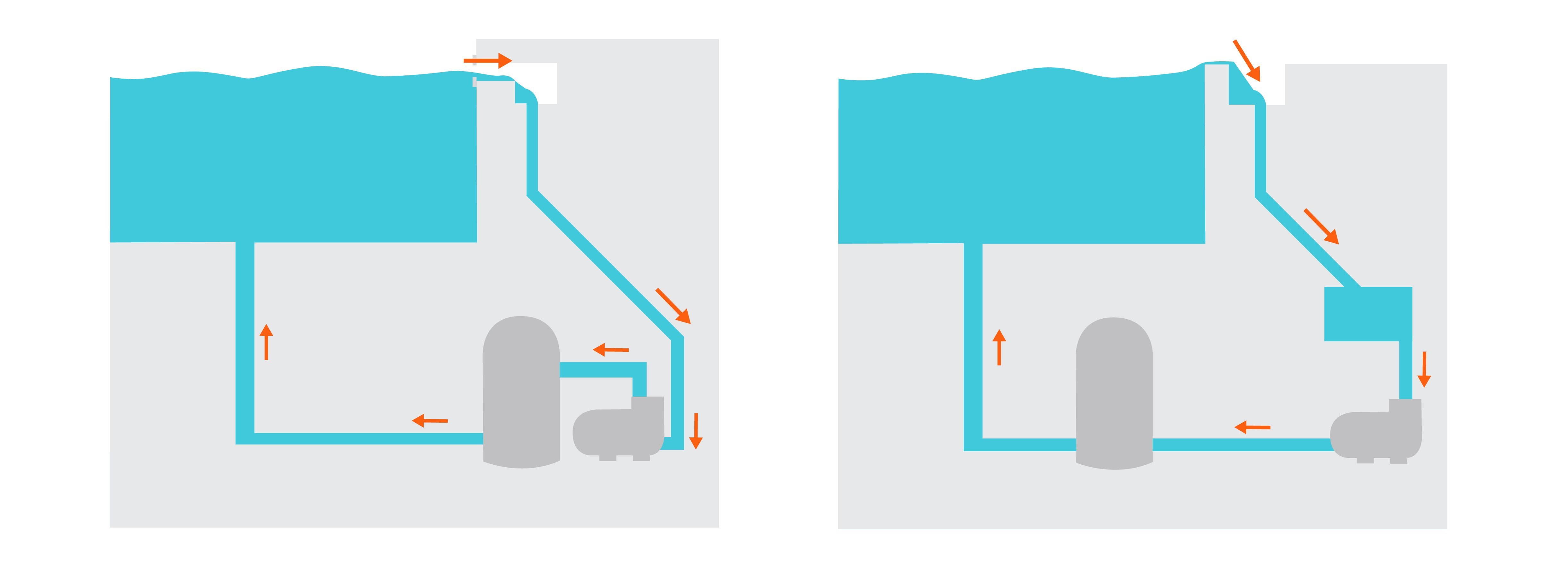
Credit: waterfitters.com
Pump And Plumbing Troubleshooting
Pump and plumbing issues often cause pool problems. They affect water flow and cleaning power. Troubleshooting these parts helps find simple fixes. This saves time and money on repairs.
Checking the pump and pipes can reveal common issues. These include blockages, leaks, and damaged parts. Identifying problems early keeps your pool healthy and clean.
Clearing Pump Basket And Impeller
The pump basket catches leaves and debris. A full basket blocks water flow. Remove the basket and clean it well. Check the impeller inside the pump too. Debris can clog the impeller, stopping water movement. Clear out any dirt or leaves found. This improves pump performance and water circulation.
Detecting Air Leaks
Air leaks reduce pump suction and cause noise. Look for bubbles in the pump basket. Check seals and o-rings around the pump lid. Tighten or replace loose or damaged parts. Air leaks let air inside, hurting pump function. Fixing leaks restores strong water flow.
Checking For Blocked Pipes
Blocked pipes stop water from moving properly. Inspect pipes for visible damage or kinks. Use a hose to flush water through pipes. Slow drainage shows a blockage inside. Clear clogs using a plumber’s snake or call a professional. Clean pipes ensure steady water flow and better filtration.
Electrical And Motor Checks
Electrical and motor problems often cause a pool pump to run on recirculate but fail on filter mode. Checking these parts can help find the issue fast. The motor and its electrical components must work well to switch modes smoothly. Simple tests can reveal hidden faults. This section covers key checks to keep your pump running correctly.
Motor Functionality
Start by checking the motor itself. Listen for strange noises or humming sounds. A motor that runs but does not spin properly may have worn bearings or other mechanical issues. Check if the motor shaft turns freely by hand when the pump is off. Motors that overheat quickly may need repair or replacement. A properly working motor is essential for both recirculate and filter modes.
Capacitor Testing
The capacitor helps the motor start and run smoothly. A bad capacitor can cause the pump to work only in recirculate mode. Use a multimeter to test the capacitor’s microfarads rating. If the reading is outside the range on the capacitor label, it needs replacement. Swapping a faulty capacitor often fixes the problem quickly. Do not try to start the pump without a good capacitor.
Wiring Inspection
Inspect all wiring connections closely. Loose or corroded wires can stop the pump from switching modes. Look for damaged insulation, burnt spots, or disconnected wires. Tighten any loose terminals and clean corrosion. Make sure the switch or control board wiring is secure. Faulty wiring can interrupt power flow, preventing filter mode from working. A careful visual check can save time and money.
Steps To Fix The Filter Mode
Fixing the filter mode on a pool pump often requires a few clear steps. These steps target common issues that block the filter from working properly. By following simple actions, many problems can resolve quickly. Understanding each step helps keep your pool pump running smoothly.
Resetting The Valve
Start by turning off the pool pump. Wait a few minutes before moving the valve handle. Set the valve to the “Filter” position carefully. Make sure the handle clicks into place. Turn the pump back on and check if the filter runs. Resetting the valve can clear small blockages inside the valve.
Cleaning Components
Dirty parts often stop the filter from working. Remove the pump basket and clean out any leaves or debris. Check the filter itself for dirt buildup. Rinse the filter with water or backwash it, depending on the type. Clean parts help water flow freely and improve filtering. Regular cleaning prevents future filter problems.
Professional Repair Options
Some issues need a pro’s touch. If the filter mode still fails, call a pool technician. They can check the valve and pump for hidden problems. Experts have tools to fix or replace broken parts. Professional repair saves time and ensures safe pump operation. Trust experts to keep your pool system healthy.
Preventive Maintenance Tips
Preventive maintenance keeps your pool pump working smoothly. Small checks stop big problems. Regular care helps avoid costly repairs and downtime. Follow these simple tips to keep your pump running well and your pool clean.
Regular Valve Checks
Valves control the water flow in your pool system. Check them often for leaks or blockages. Make sure each valve moves easily and seals tight. Stiff or broken valves can cause the pump to work incorrectly. Fix any valve issues right away to keep water flowing properly.
Scheduled Filter Cleaning
Filters catch dirt and debris before water returns to the pool. Clean filters prevent strain on the pump. Check your filter every few weeks. Remove dirt and rinse it well. A clean filter improves water flow and pump efficiency. Replace the filter if it is old or damaged.
Pump Maintenance Routine
Inspect the pump for cracks or leaks regularly. Clear any debris near the pump basket and impeller. Lubricate pump seals as needed to avoid wear. Listen for unusual noises that might signal trouble. Regularly check the pump motor and electrical connections. These steps extend your pump’s life and keep it running strong.
Frequently Asked Questions
Why Does My Pool Pump Run On Recirculate But Not Filter?
The pump may have a clogged filter valve or a faulty multiport valve blocking flow.
How To Fix A Pool Pump Working Only On Recirculate?
Check and clean the filter valve. Inspect the multiport valve for damage or leaks.
What Causes A Pool Pump To Stop Filtering But Run Recirculate?
Issues like a stuck valve, air leaks, or blocked pipes can stop filtering.
Can A Dirty Pool Filter Cause Pump To Run On Recirculate Only?
Yes, a dirty or clogged filter can force the pump to use recirculate mode.
How To Test If The Multiport Valve Is Faulty?
Move the valve handle through all settings and listen for unusual sounds or leaks.
Is It Safe To Run A Pool Pump Only On Recirculate?
Running on recirculate is safe short-term but won’t clean your pool water.
Conclusion
A pool pump working on recirculate but not on filter signals a common issue. Checking the multiport valve and filter basket is a good start. Dirt or blockages often cause this problem. Regular cleaning keeps your pool pump running smoothly.
Simple fixes save time and money. Stay attentive to these signs for a clear, healthy pool. Maintaining your equipment prevents bigger problems later. Keep your pool water clean and refreshing all season long.