
Are you having trouble with your Mr Heater regulator? You’re not alone.
Many users face common issues that can disrupt your heating and leave you frustrated. Understanding these problems and knowing how to fix them can save you time, money, and stress. You’ll discover the most frequent Mr Heater regulator problems and simple solutions to get your heater working safely and efficiently again.
Keep reading to protect your comfort and peace of mind this season.
Common Regulator Issues
Mr Heater regulators can face issues that affect heater performance. Knowing common problems helps you fix them quickly. Regular checks keep your heater safe and working well.
Here are some usual regulator troubles and what they mean for your heater.
Pressure Drop Troubles
Pressure drop happens when gas pressure falls below normal levels. This causes weak flame or heater shutdown. Dirt or damage inside the regulator often causes this. Replace or clean parts to restore pressure.
Gas Flow Interruptions
Gas flow stops or slows down unexpectedly. This can happen from clogged filters or frozen gas lines. Check for blockages and clear them gently. Ensure the gas supply is steady and open.
Regulator Leaks
Leaking gas is a serious safety risk. Leaks often come from worn seals or loose fittings. Use soapy water to spot leaks; bubbles will form. Tighten connections or change seals to stop leaks immediately.
Valve Malfunctions
The valve may stick or fail to open properly. This stops gas from reaching the heater. Dirt, rust, or wear can cause valve problems. Clean and test the valve regularly for smooth operation.
Basic Troubleshooting Steps
Basic troubleshooting helps fix many Mr Heater regulator problems fast. It saves time and avoids extra costs. Follow simple steps to find common issues and solve them.
Checking Connections
First, check all connections carefully. Make sure the regulator fits tightly to the heater. Look for loose or damaged parts. Tighten any loose fittings with your hands only. Do not use tools that can cause damage.
Inspecting Hoses
Next, inspect the hoses for cracks or leaks. Look along the entire hose length. Replace hoses that look worn or cracked. Do not use tape or patches. Safe hoses ensure proper gas flow and prevent accidents.
Testing Gas Supply
Test the gas supply to the regulator. Confirm the propane tank has enough gas. Open the tank valve slowly to avoid pressure spikes. Listen for any hissing sounds that show leaks. Turn off the gas if you smell gas strongly.
Resetting The Regulator
Reset the regulator to clear safety locks. Close the gas valve and disconnect the regulator. Wait about five minutes before reconnecting. Open the gas valve slowly to reset pressure. This step can fix common regulator issues and restore normal function.
Quick Fixes To Try
Mr Heater regulators can face common problems that stop your heater from working well. Some simple fixes can save time and money. These quick fixes help keep your heater running safely and smoothly.
Replacing Worn Out Seals
Seals in the regulator wear out over time. Worn seals cause gas leaks and poor pressure. Remove the old seal carefully. Buy a new seal that fits your model. Replace the seal and check for leaks. This fix improves gas flow and safety.
Clearing Blockages
Dirt and debris block gas flow inside the regulator. Blockages reduce heater power or stop it. Turn off the gas supply first. Use a soft brush or compressed air to clear the block. Make sure no debris stays inside. This keeps gas flowing smoothly.
Adjusting Pressure Settings
Incorrect pressure causes heater problems. Locate the pressure adjustment screw on your regulator. Turn it slowly to increase or decrease pressure. Use a pressure gauge to check settings. Set pressure to the manufacturer’s recommended level. Proper pressure improves heater performance.
Tightening Loose Fittings
Loose fittings cause gas leaks and pressure drops. Check all connections on the regulator and heater. Use a wrench to tighten any loose parts gently. Avoid overtightening to prevent damage. Secure fittings ensure safe and steady gas flow.

Credit: www.youtube.com
When To Replace The Regulator
Knowing when to replace your Mr Heater regulator is key for safe and efficient heating. Regulators control gas flow and keep your heater running smoothly. Over time, they wear out or get damaged. Replacing them at the right time prevents leaks and other hazards. Watch for clear signs and understand the lifespan to keep your heater safe.
Signs Of Severe Damage
Look for cracks or dents on the regulator body. Strange smells near the regulator mean gas leaks. Hissing sounds indicate escaping gas. If the heater won’t ignite or keeps shutting off, the regulator may be faulty. Rust or corrosion on metal parts shows wear. These signs need quick replacement to avoid danger.
Regulator Lifespan
Most Mr Heater regulators last about 5 years. Heat, weather, and rough use shorten this time. Check the manufacturer’s guide for specific lifespan info. Even if it looks fine, replace the regulator after this period. Old regulators may fail without warning. Routine checks help catch issues early.
Safety Considerations
Always turn off the gas before inspecting the regulator. Replace the regulator in a well-ventilated area to avoid gas buildup. Use only parts made for your heater model. Faulty regulators can cause fires or explosions. If unsure about the condition, get a professional check. Safety must come first with gas appliances.
Expert Repair Tips
Expert repair tips can help fix Mr Heater regulator problems safely and quickly. Understanding key steps makes repairs easier. Proper care extends the life of the regulator. Follow these tips for better results.
Using Proper Tools
Use the right tools for regulator repair. Wrenches, screwdrivers, and pressure gauges are essential. Avoid makeshift tools that may damage parts. Proper tools ensure a tight seal and correct fitting. Always check tool condition before starting work.
Avoiding Common Mistakes
Do not overtighten connections. This can cause leaks or break parts. Avoid using oil or grease on regulator seals. It can clog or damage the system. Never force stuck parts; gentle pressure works best. Check for cracks or wear before reassembling.
Professional Calibration
Calibration ensures the regulator works at the right pressure. A professional can test and adjust settings accurately. Incorrect pressure can cause heater malfunction or safety risks. Regular calibration keeps the heater efficient. Use certified services for precise results.
Maintaining Regular Service
Schedule regular checks to spot problems early. Clean the regulator to remove dirt and debris. Replace worn parts before failure occurs. Regular service helps avoid sudden heater breakdowns. Keep a maintenance log for better tracking.
Preventive Maintenance
Preventive maintenance helps keep your Mr Heater regulator working well. Small efforts can stop big problems. Regular care extends the life of your heater. It keeps you safe and saves money on repairs.
Regular Inspections
Check your regulator often for cracks or leaks. Look at the hose and connections for wear. Tighten any loose fittings carefully. Use soapy water to spot gas leaks. Bubbles mean a leak is present. Replace damaged parts immediately to avoid hazards.
Safe Storage Practices
Store the regulator in a dry, cool place. Avoid exposing it to sunlight or moisture. Keep it away from dust and dirt. Use a protective cover or case. Proper storage prevents rust and damage. It keeps parts clean and ready to use.
Seasonal Care Tips
Before winter, clean the regulator thoroughly. Remove dust and debris with a soft cloth. Test the regulator for proper function. During summer, check for cracks caused by heat. Replace any worn or damaged parts right away. Regular seasonal checks keep the heater safe year-round.
Safety Precautions
Safety is very important when using Mr Heater regulators. These devices control the flow of gas. Problems with regulators can cause leaks or fires. Taking safety precautions helps avoid accidents. Always treat gas equipment with care and respect.
Handling Gas Regulators Safely
Always check the regulator for damage before use. Do not force connections or over-tighten fittings. Use only the correct type of regulator for your heater. Keep the regulator and hose away from heat and sharp objects. Store regulators in a cool, dry place when not in use.
Detecting Gas Leaks
Smell for a strong, rotten egg odor near the regulator. Listen for hissing sounds that may show gas escape. Apply soapy water to joints; bubbles mean a leak. Never use a flame to check for leaks. If you detect a leak, turn off the gas immediately.
Emergency Response Actions
Shut off the gas supply right away if you smell gas. Open doors and windows to ventilate the area. Avoid using electrical switches or open flames near the leak. Leave the area and call emergency services from a safe place. Do not try to fix the problem unless you are trained.
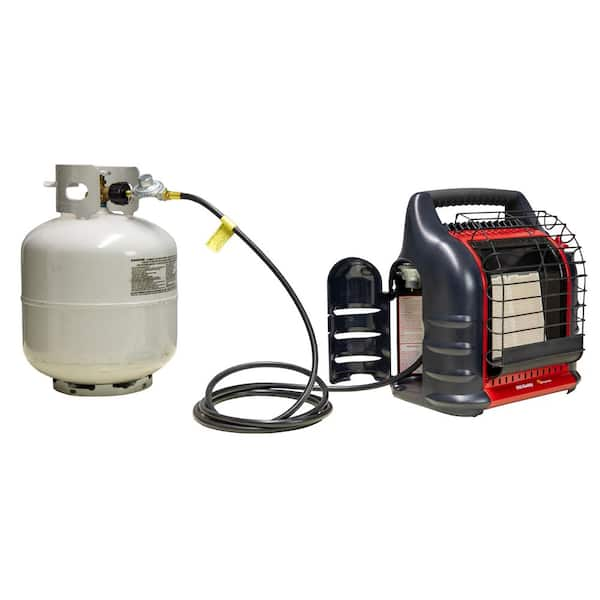
Credit: www.homedepot.com

Credit: www.informededucation.com
Frequently Asked Questions
What Causes Mr Heater Regulator Problems?
Regulator issues often come from dirt, wear, or damaged seals. Poor connection or low gas pressure can also cause problems. Regular cleaning and inspection help avoid these issues.
How Do I Fix A Leaking Mr Heater Regulator?
Check the hose and connections for cracks or loose fittings. Tighten connections carefully and replace damaged parts if needed. Always test for leaks with soapy water before use.
Why Does My Mr Heater Regulator Freeze Up?
Freezing happens when gas pressure drops suddenly or moisture builds inside. This blocks gas flow and stops heating. Keep the regulator dry and avoid using it in very cold, damp conditions.
Can A Faulty Regulator Cause My Heater To Stop Working?
Yes, a bad regulator can stop gas flow, causing the heater to shut off. Check the regulator for damage or blockage if the heater won’t light or stays off. Replacing the regulator usually fixes the issue.
How Often Should I Replace My Mr Heater Regulator?
Replace the regulator every 3 to 5 years or if you see damage. Old regulators may fail and cause safety risks. Regular checks help keep your heater working safely.
Conclusion
Mr Heater regulator problems can cause safety and performance issues. Regular checks help keep your heater working well. Replace damaged parts quickly to avoid leaks or fire risks. Clean the regulator and hoses often to prevent blockages. Understanding common issues saves time and money.
Stay alert for unusual smells or sounds during use. Taking simple steps ensures your heater runs smoothly and safely. Safety matters most when handling gas appliances. Keep these tips in mind for peace of mind and warmth.