
Is your torpedo heater not working the way it should? You rely on it to keep your space warm and comfortable, so when it acts up, it can be frustrating.
But don’t worry—you’re not alone, and most issues are easier to fix than you think. In this guide, you’ll find simple troubleshooting tips that help you get your heater back to full power quickly. Keep reading, and you’ll save time, avoid costly repairs, and stay warm without hassle.
Credit: www.mitm.com
Common Torpedo Heater Problems
Torpedo heaters are reliable for quick warmth. Yet, problems can arise during use. Knowing common issues helps keep your heater safe and working well.
This guide covers frequent torpedo heater problems and their signs. Spotting these problems early saves time and money. It also prevents bigger damage or safety risks.
No Ignition
No ignition means the heater does not start. Check if the fuel tank has enough fuel. Inspect the spark plug for dirt or damage. Sometimes, the ignition switch might be faulty. Clean or replace parts as needed.
Unusual Odors
Strange smells indicate burning fuel or blocked vents. Poor ventilation can cause odors and unsafe fumes. Turn off the heater and move it to fresh air. Clean the air filter and check fuel quality.
Overheating
Overheating happens if the heater runs too long or in a tight space. It can damage the unit or cause fire risks. Let the heater cool down and ensure good airflow around it. Clean dust from vents regularly.
Fuel Leakage
Fuel leaks are dangerous and waste fuel. Check all connections and hoses for cracks or loose parts. Tighten fittings or replace damaged hoses immediately. Always use the correct fuel type for your heater.
Excessive Noise
Loud noises may mean loose parts or worn-out fans. Inspect the heater for loose screws or debris inside. Tighten screws and clean the fan blades carefully. Regular maintenance reduces noise and extends heater life.
Credit: www.mitm.com
Quick Checks Before Repair
Before starting any repair on your torpedo heater, some quick checks save time and effort. These simple steps help find common problems fast. They ensure the heater is safe to work on and may fix the issue without repair.
Inspect Power Supply
Check the power cord for cuts or damage. Make sure the plug fits tightly in the outlet. Test the outlet with another device to confirm it works. A broken power supply stops the heater from turning on.
Verify Fuel Levels
Look at the fuel tank and confirm it has enough fuel. Running out of fuel is a frequent cause of heater failure. Use the correct fuel type for your model. Low or wrong fuel stops the heater from heating properly.
Examine Airflow
Clear any dust or blockages around the air vents. Good airflow keeps the heater running safely. Blocked vents cause overheating and shutdowns. Clean the vents regularly to avoid airflow problems.
Check Safety Switches
Test the safety switches for proper function. These switches stop the heater if it tilts or overheats. A stuck or faulty switch prevents the heater from working. Make sure switches move freely and reset if needed.
Fixing Ignition Issues
Ignition problems can stop your torpedo heater from working. These issues often cause the heater to fail to start or shut down unexpectedly. Fixing ignition problems quickly helps keep your space warm and safe.
Most ignition issues come from a few common parts. Checking these parts can save time and money. Follow the steps below to troubleshoot and fix your heater’s ignition system.
Clean Or Replace Spark Plug
The spark plug creates the spark needed to light the fuel. Dirt or damage can stop the spark plug from working. Remove the spark plug and look for dirt, soot, or cracks. Clean it gently with a wire brush or replace it if damaged. A clean spark plug helps the heater start easily.
Check Ignition Transformer
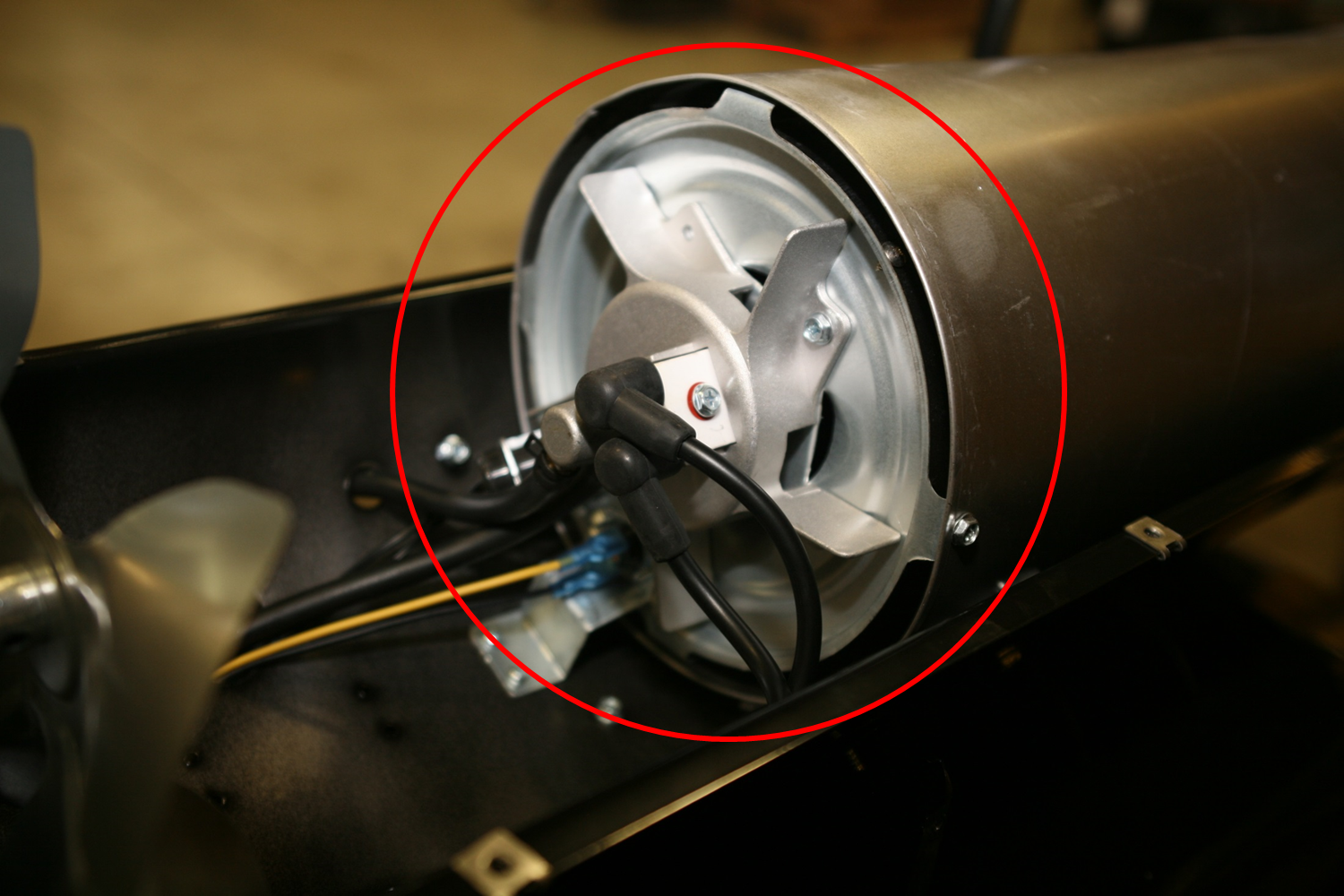
The ignition transformer sends electricity to the spark plug. A faulty transformer can stop the spark from forming. Use a multimeter to test if the transformer works. Replace the transformer if it shows no or low voltage. A working transformer ensures a steady spark for ignition.
Inspect Fuel Pump
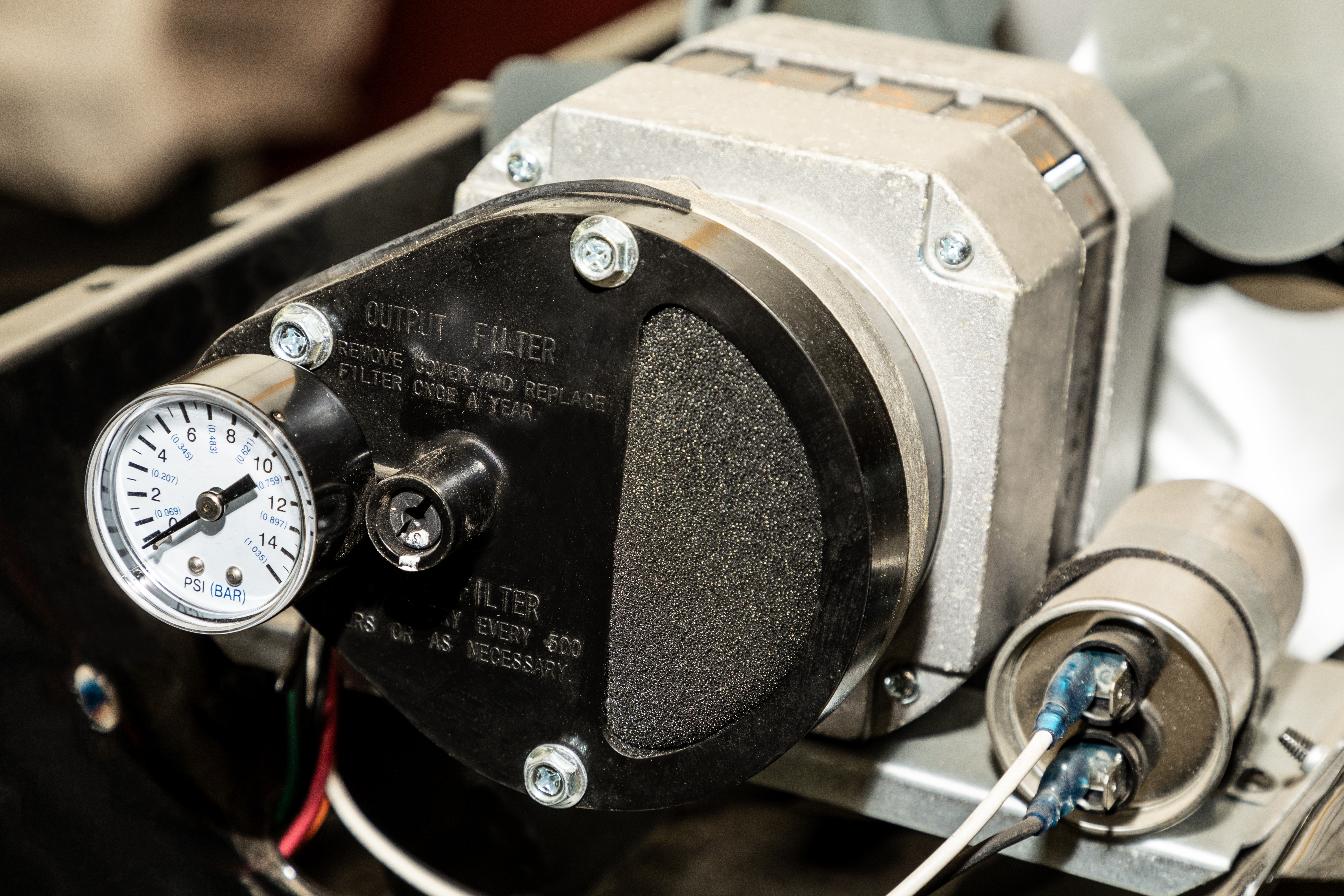
The fuel pump moves fuel to the burner. If the pump fails, the heater won’t ignite. Listen for the pump’s sound when turning the heater on. Check for blockages or leaks in fuel lines. Replace the pump if it does not run or delivers no fuel. A good fuel pump keeps the burner lit and warm.
Resolving Overheating
Overheating is a common issue with torpedo heaters. It can cause the heater to shut down or even damage its parts. Fixing overheating is important to keep the heater safe and working well. Follow these steps to solve overheating problems quickly.
Clean Air Filters
Dirty air filters block airflow and cause the heater to get too hot. Remove the filters and wash them with warm water. Let them dry fully before putting them back. Clean filters help the heater cool down and work better.
Ensure Proper Ventilation
Good airflow around the heater prevents heat buildup. Move the heater to a place with enough open space. Avoid placing it near walls or furniture. Proper ventilation lets hot air escape and stops overheating.
Test Thermostat Function
The thermostat controls the heater’s temperature. If it is faulty, the heater may overheat. Use a thermometer to check if the thermostat reads temperature correctly. Replace the thermostat if it does not work well.
Handling Fuel Problems
Fuel problems cause many issues with torpedo heaters. They stop the heater from working well. Knowing how to handle these problems saves time and money. Follow simple steps to fix fuel-related troubles fast.
Detect And Repair Leaks
Leaks waste fuel and cause safety risks. Check fuel lines and connections for wet spots or smells. Tighten loose fittings with a wrench. Replace cracked or damaged hoses right away. Always work in a well-ventilated area while inspecting.
Use Correct Fuel Type
Using wrong fuel harms the heater’s parts. Check the manual for the right fuel type. Use fresh, clean fuel only. Old or contaminated fuel clogs the system and causes poor performance. Store fuel in a clean container to avoid dirt.
Flush Fuel Lines
Clogged fuel lines stop fuel flow. Flush lines with clean fuel or a cleaning solution. Disconnect the lines carefully before flushing. Run fresh fuel through the lines to clear dirt and debris. Repeat the process until the fuel runs clear.

Credit: www.youtube.com
Noise Reduction Tips
Noise from a torpedo heater can be annoying and distracting. Reducing this noise helps create a quieter and more comfortable space. Simple fixes often make a big difference. Focus on parts that move or fit loosely.
Tighten Loose Parts
Loose screws, bolts, or panels cause rattling sounds. Check the heater carefully for any loose pieces. Use a screwdriver or wrench to tighten them. This stops parts from vibrating and making noise.
Lubricate Moving Components
Moving parts need smooth motion to work quietly. Apply a small amount of lubricant to fans and motors. This reduces friction and prevents squeaks or grinding noises. Use oil made for mechanical parts.
Replace Worn Fans
Fans wear out over time and cause loud noise. Inspect the fan blades for cracks or damage. Replace any worn or broken fans immediately. New fans run smoothly and cut down noise levels.
Maintenance For Longevity
Proper maintenance keeps your torpedo heater working well for years. It helps avoid breakdowns and costly repairs. Simple care steps improve safety and efficiency. Follow these tips to extend your heater’s life.
Regular Cleaning Schedule
Clean the heater often to remove dust and debris. Dirt blocks airflow and can cause overheating. Use a soft brush or cloth to wipe surfaces. Check vents and filters for clogs. Clean fuel lines if your model uses fuel.
Seasonal Inspections
Inspect your torpedo heater before every heating season. Look for cracks, rust, or loose parts. Test the ignition and safety controls. Replace damaged parts immediately. Regular checks catch problems early and keep your heater safe.
Proper Storage Practices
Store the heater in a dry place after use. Cover it to protect from dust and moisture. Drain fuel if your heater uses gas or diesel. Avoid storing near chemicals or flammable materials. Proper storage prevents damage and keeps the heater ready for use.
Frequently Asked Questions
Why Is My Torpedo Heater Not Producing Heat?
Check if the fuel tank has enough fuel. Also, ensure the power supply is connected properly. Dirty filters can block airflow and reduce heat output.
How Do I Fix A Torpedo Heater That Won’t Start?
Make sure the fuel valve is open and the thermostat is set correctly. Inspect the ignition system for dirt or damage. Sometimes, cleaning the spark plug helps.
What Causes A Torpedo Heater To Emit Strange Smells?
Burning smells often come from dust on the heater or old fuel. Run the heater in a well-ventilated area to clear odors. Regular cleaning can prevent this issue.
Why Does My Torpedo Heater Shut Off Suddenly?
The heater might overheat due to blocked vents or dirty filters. Safety sensors will turn it off to prevent damage. Check and clean all air passages regularly.
How Often Should I Clean My Torpedo Heater?
Cleaning once before and after each heating season is best. Wipe down surfaces and clean or replace filters. This keeps the heater running safely and efficiently.
Conclusion
Torpedo heater problems can often be fixed with simple steps. Regular checks help keep your heater working well. Clean parts and check fuel often. Safety matters—always follow instructions closely. Small issues won’t turn into big problems if caught early. Use this guide to save time and stress.
Stay warm without worry by knowing what to do. A working heater makes cold days easier. Keep this guide handy for quick help anytime.