
When setting up your pool, one detail you might overlook is how far your pool pump should be from your pool. Getting this distance right is crucial.
It affects your pump’s performance, energy bills, and even how long your equipment lasts. If your pump is too close or too far, you could face costly problems down the line. You’ll discover the ideal distance to place your pool pump and why it matters.
Keep reading to make sure your pool runs smoothly and efficiently all season long.
Credit: www.mikeholt.com
Ideal Distance For Pool Pump
Choosing the ideal distance for your pool pump is very important. The right placement helps the pump work well and last longer. It also keeps the pool water clean and clear. Many things affect where the pump should go. Understanding these factors helps you pick the best spot.
Factors Affecting Pump Placement
The pump should be close enough to the pool to reduce pipe length. Long pipes cause water flow problems and lower pump efficiency. The pump must also be near a power source for easy connection. Safety rules ask for a dry, ventilated area to avoid damage and accidents. Noise levels can affect placement too. Placing the pump away from living areas helps reduce noise disturbance.
Recommended Distance Range
Experts suggest keeping the pool pump within 10 to 25 feet of the pool. This distance balances performance and safety. Less than 10 feet may cause safety risks and take more space. More than 25 feet can reduce pump efficiency and increase energy use. Pipes should be as straight and short as possible within this range.
Impact On Pump Performance
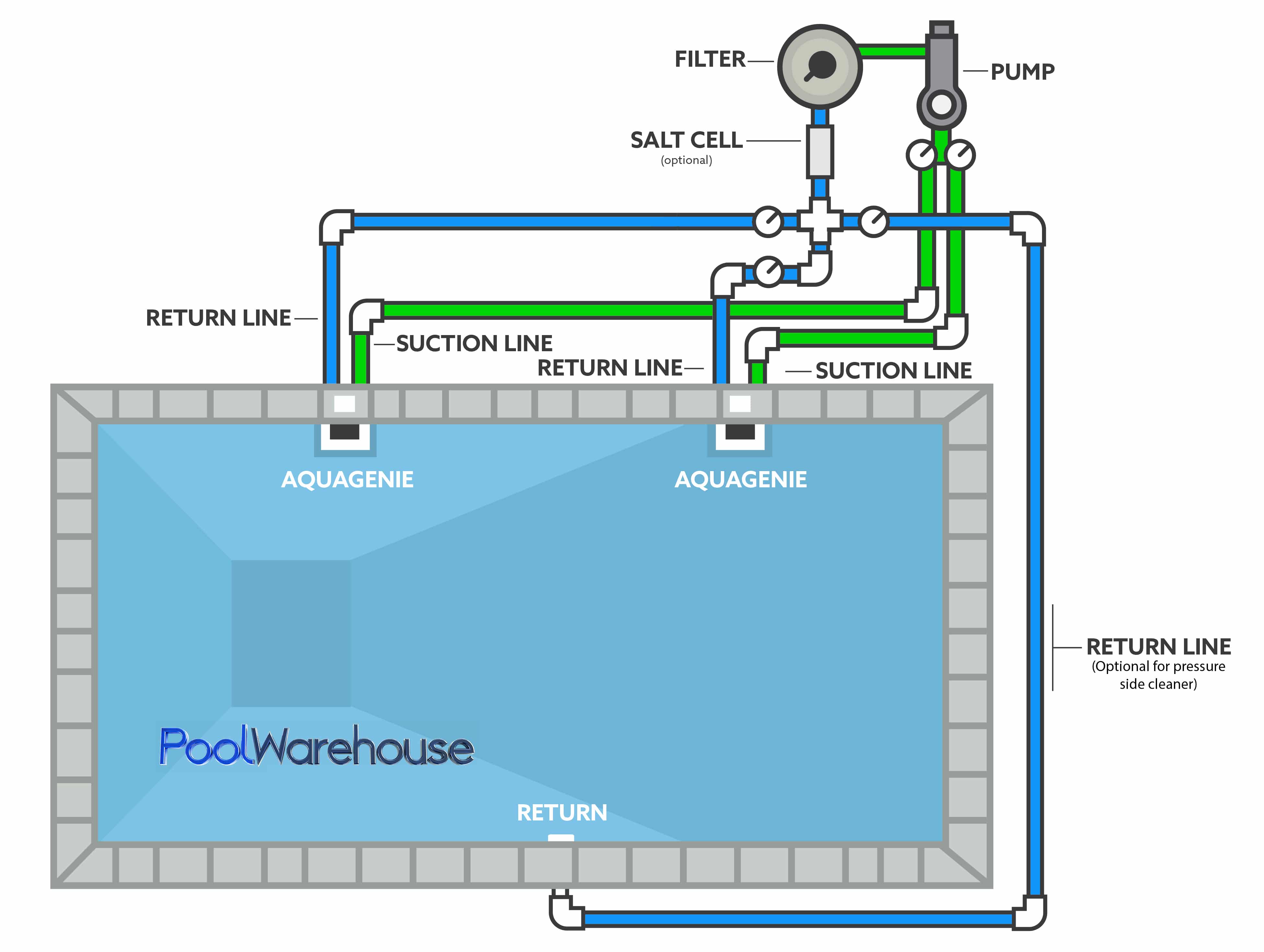
Distance affects how well the pump moves water. Longer distance means more resistance in pipes. This lowers water flow and puts extra strain on the pump. The pump then uses more electricity and wears out faster. Correct distance helps maintain strong water circulation. This keeps pool water cleaner and reduces repair costs.
Credit: www.poolwarehouse.com
Energy Efficiency And Pump Location
Energy efficiency depends a lot on where you place the pool pump. The distance between the pool and the pump affects how well the system works. A closer pump uses less energy to move water. This reduces power bills and helps the environment.
Reducing Energy Loss
Energy loss happens when water travels far from the pool to the pump. The longer the pipes, the more energy the pump needs. Keeping the pump close lowers energy loss. This means the pump uses less electricity to do the same job.
Minimizing Pipe Friction
Water meets resistance inside pipes, called friction. Long pipes create more friction, making the pump work harder. A pump placed near the pool reduces pipe length and friction. Less friction saves energy and extends the pump’s life.
Benefits Of Shorter Pipe Runs
Short pipe runs improve water flow and reduce noise. They also lower the risk of leaks and damage. Shorter pipes mean the pump starts and stops less often, saving energy. Proper pump location keeps your pool system efficient and reliable.
Safety Considerations
Placing your pool pump at the right distance from the pool is important for safety. A safe setup protects people and equipment. It also helps avoid accidents and damage. Understanding key safety points can guide your installation.
Electrical Safety Measures
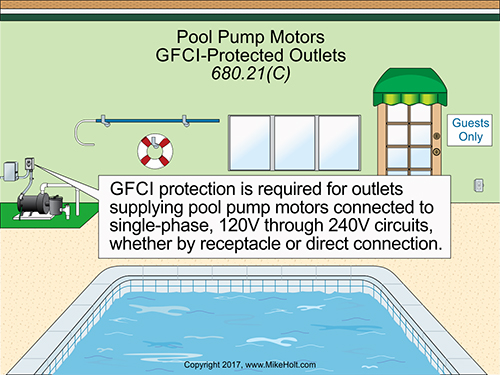
Keep the pool pump’s electrical parts away from water. Use ground-fault circuit interrupters (GFCIs) to prevent shocks. Make sure all wiring is done by a licensed electrician. Check that cords and plugs are dry and intact. Avoid placing the pump where water can splash on outlets.
Avoiding Water Damage
Place the pump on a raised, dry surface to prevent flooding. Make sure drainage directs water away from the pump. Avoid placing the pump too close to the pool edge. Use waterproof covers to protect the pump during rain. Regularly inspect the area for leaks or standing water.
Proper Ventilation And Access
Ensure the pump has enough space around it for air flow. Good ventilation keeps the motor cool and working well. Leave clear access to the pump for repairs and maintenance. Avoid cramped spaces that trap heat or block access. Proper placement extends the pump’s life and safety.

Credit: www.swimmingpoolsteve.com
Installation Tips
Installing a pool pump needs careful planning. The right setup ensures your pool stays clean and your pump runs well. Follow these simple tips to place your pool pump correctly and safely.
Selecting The Right Position
Choose a spot close to the pool. This reduces the length of pipes and saves energy. Avoid placing the pump too far to cut down noise and power loss. Make sure the area is dry and flat. It should be easy to access for maintenance and repairs.
Using Quality Materials
Use strong, durable pipes and fittings. Cheap materials may leak or break over time. Select UV-resistant pipes for outdoor use. Ensure all seals are tight to prevent water loss. Good quality materials help your pump last longer.
Professional Vs Diy Installation
Professional installation guarantees safety and efficiency. Experts know the right distance and setup rules. DIY saves money but needs careful planning. Check local codes before starting. If unsure, hire a pro to avoid costly mistakes.
Maintenance And Troubleshooting
Proper maintenance and troubleshooting are key to keeping your pool pump working well. The distance between the pool and pump affects how you maintain and fix the pump. Knowing what to check and common problems helps save time and money. Careful attention keeps the pump efficient and extends its life.
Regular Inspection Points
Check the pump and pipes for leaks often. Look for cracks or loose fittings that may cause water loss. Inspect the electrical connections to ensure safety. Clear debris around the pump area to avoid blockages. Watch for unusual sounds or vibrations during operation. These checks help catch small problems early.
Common Issues Linked To Distance
Long distances between pool and pump can cause low water pressure. This reduces pump efficiency and may cause the motor to overwork. Pipes may develop leaks or clogs more easily over longer runs. The pump may need more energy to push water through long pipes. These issues can lead to higher energy bills and faster wear.
Extending Pump Lifespan
Place the pump as close to the pool as possible. Use proper pipe sizes to reduce strain on the pump. Regularly clean filters and remove debris to keep flow smooth. Lubricate moving parts to reduce wear. Schedule routine professional check-ups to catch hidden problems. These steps help the pump last longer and work better.
Frequently Asked Questions
How Far Should A Pool Pump Be From The Pool?
A pool pump should be 10 to 20 feet away for safety and noise reduction.
Does Pump Distance Affect Pool Water Flow?
Yes, longer distances can reduce water pressure and flow efficiency.
What Is The Safest Distance For A Pool Pump?
At least 10 feet from the pool edge to prevent electrical hazards.
Can A Pump Be Placed Too Far From The Pool?
Yes, too far causes pressure loss and may damage the pump.
How Does Pump Distance Impact Energy Use?
Closer pumps use less energy because they face less resistance.
Should Pump Location Consider Noise Levels?
Yes, placing the pump farther reduces noise near the pool area.
Conclusion
Choosing the right distance for your pool pump helps keep water clean. A close pump saves energy and reduces noise. Too far means less power and more work. Place the pump near the pool but follow safety rules. Proper placement makes your pool system work well and last longer.
Think about space, noise, and easy access for maintenance. Small changes can make a big difference in pool care. Keep these tips in mind for a smooth pool experience.