
Have you ever noticed a white powdery substance settling at the bottom of your pool? It can be frustrating and confusing, especially when you want your pool to look clean and inviting.
This mysterious powder might seem harmless at first, but ignoring it could lead to bigger problems for your pool’s health. You’ll discover what causes this white buildup, why it matters, and how you can fix it quickly. Keep reading to protect your pool and enjoy crystal-clear water all season long.

Credit: www.youtube.com
Common Causes Of White Powdery Deposits
White powdery deposits at the bottom of a pool can be frustrating. They affect water clarity and surface cleanliness. Understanding common causes helps solve this issue quickly. These deposits often form due to natural chemical reactions or poor maintenance. Knowing the source can guide proper treatment and prevent future buildup.
Calcium Buildup
Calcium is a natural mineral in water. High calcium levels cause it to settle as white powder. Hard water often leads to this problem. Warm water and high pH increase calcium precipitation. This buildup feels rough and chalky on pool surfaces.
Salt Residue
Saltwater pools may develop white powdery layers. Salt residue appears when water evaporates. Salt crystals stay behind on the pool floor. This is common in pools using salt chlorine generators. Regular rinsing helps reduce salt deposits.
Chemical Imbalances
Improper chemical levels cause deposits in pools. High pH or alkalinity leads to scaling. Overuse of certain chemicals may create white powder. Testing water frequently prevents these imbalances. Balancing chemicals keeps the pool clean and clear.
Algae Byproducts
Some algae produce white or light-colored residues. These byproducts settle as powdery deposits. Algae growth often occurs with poor circulation. Treating algae early stops residue buildup. Proper cleaning removes leftover algae substances.
Identifying The Substance
White powdery substance at the bottom of a pool can cause concern. Identifying this substance helps decide the right action. It may be harmless or a sign of a bigger problem. Careful checks reveal what it really is.
Understanding the cause ensures the pool stays clean and safe. This section guides through simple steps to recognize the substance and its nature.
Visual Inspection Tips
Look closely at the powder’s location and spread. Is it near the pool walls or center? Check its texture. Is it fine, chalky, or grainy? Notice the color; pure white or off-white? Observe if it comes off easily or sticks firmly. Also, see if it appears after cleaning or heavy use. These signs help guess what it might be.
Testing Water Chemistry
Use a pool test kit to check water balance. Test pH, alkalinity, and calcium hardness levels. High calcium hardness can cause white deposits. Low pH may lead to corrosion and powder formation. Chlorine levels affect algae and bacteria growth. Proper water balance prevents many common pool issues. Record results and compare with normal ranges.
Differentiating Between Deposits
White powder could be calcium scale, salt residue, or algae spores. Calcium scale is hard and crusty, often near waterline. Salt residue looks powdery and dissolves in water. Algae spores may feel slimy or dusty and grow in patches. Knowing the difference helps pick the right cleaning method. Use water tests and visual clues together for accuracy.
Preventing White Powder Formation
White powdery substance at the bottom of a pool can be frustrating. It affects water clarity and pool enjoyment. Preventing this issue requires simple, regular care. Small changes can keep your pool clean and safe.
Maintaining Proper Ph Levels
pH balance controls water acidity and alkalinity. Keep pH between 7.2 and 7.6 for best results. Check pH at least twice a week. Use pH increaser or decreaser to adjust levels. Balanced pH stops minerals from forming white powder.
Regular Water Circulation
Water circulation spreads chemicals evenly. It prevents buildup of minerals and debris. Run your pool pump daily for 8 to 12 hours. Clean the filter often to keep flow strong. Good circulation keeps water clear and powder-free.
Choosing The Right Chemicals
Select chemicals made for your pool type. Avoid mixing incompatible products. Use chlorine or bromine to kill bacteria and algae. Test chemicals weekly to keep levels correct. Proper chemicals reduce mineral deposits and powder formation.
Routine Cleaning Practices
Skim leaves and debris daily from the pool surface. Brush pool walls and floor weekly to remove buildup. Vacuum the pool regularly to clean settled dirt. Clean waterline tiles to stop scale and powder. Consistent cleaning keeps your pool fresh and clear.
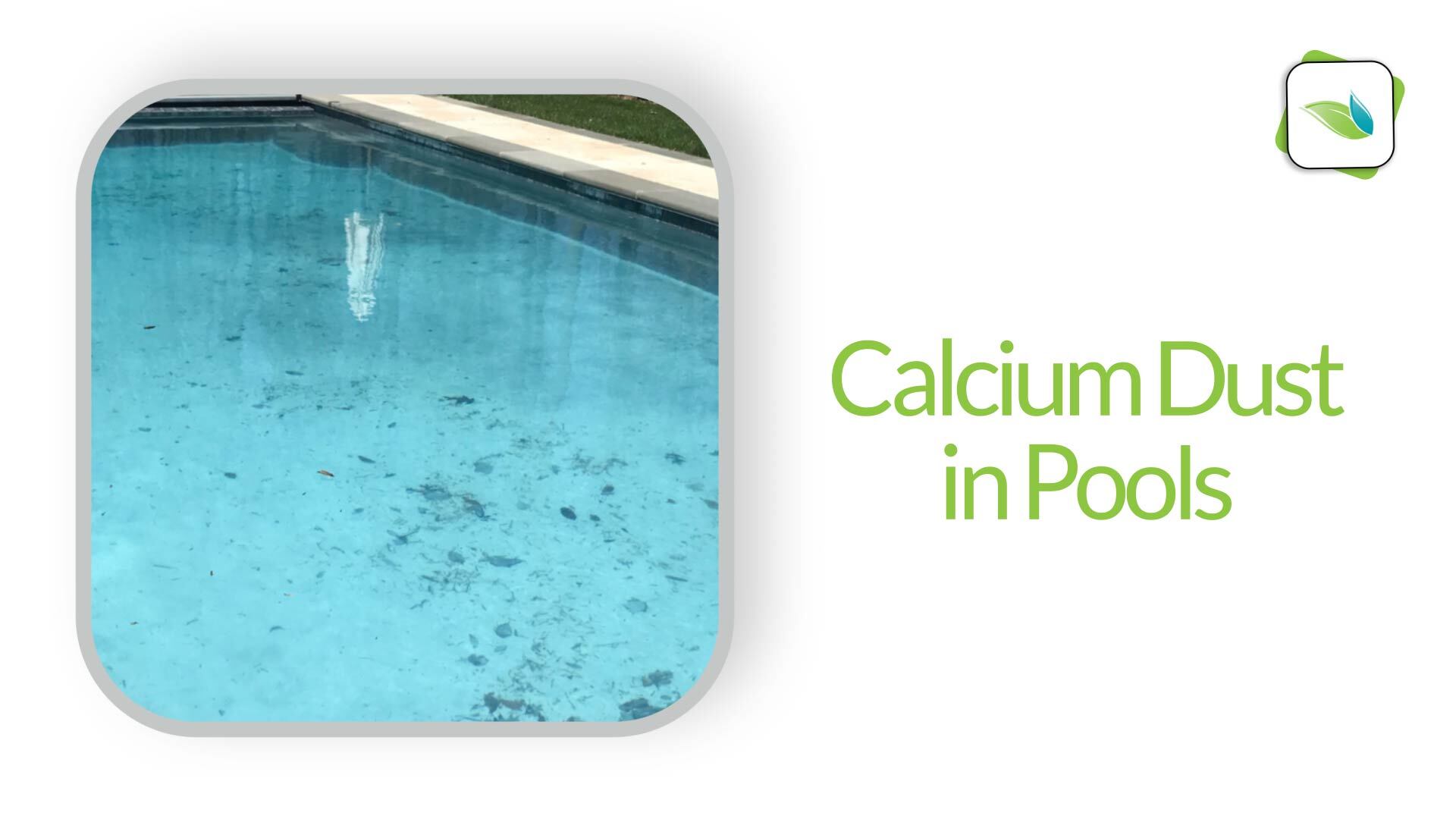
Credit: blog.orendatech.com
Effective Removal Techniques
Removing white powdery substance from the pool bottom needs the right approach. Effective techniques clear the residue and keep water clean. These methods prevent damage and make pools safe for swimming.
Brushing And Vacuuming
Start by brushing the pool floor gently. Use a stiff brush to loosen the powder. Brush all areas with buildup. Then vacuum the pool to remove loosened particles. This method helps remove surface residue fast.
Using Chemical Treatments
Chemicals break down stubborn white deposits. Test pool water first to choose the right chemical. Add chemicals like muriatic acid or specialized cleaners carefully. Follow instructions for safe use and proper dosage. Chemicals dissolve powder and prevent future buildup.
Professional Cleaning Options
Professionals have tools and skills to handle tough cases. They use advanced equipment to clean deeply. Experts also check water balance and recommend treatments. Hiring a pro saves time and ensures thorough cleaning.
Long-term Pool Care Strategies
Taking care of your pool over time prevents common issues like white powdery buildup. This buildup often appears at the bottom of pools due to mineral deposits or imbalanced water chemistry. Regular, consistent care keeps your pool clean and safe for swimming. Follow these long-term strategies to maintain your pool’s health and clarity.
Water Testing Schedule
Test your pool water at least twice a week. Check pH, chlorine, alkalinity, and calcium hardness levels. Balanced water prevents mineral deposits and scaling. Use a reliable test kit or strips for quick results. Keep a log of your readings to track changes over time. Adjust chemicals as needed to maintain proper balance.
Equipment Maintenance
Clean your pool filters regularly to ensure proper water flow. Inspect pumps and skimmers for blockages or damage. Replace worn parts promptly to avoid bigger problems. Check pool heaters and chlorinators for correct operation. Proper equipment care helps prevent dirt and minerals from settling at the bottom.
Seasonal Pool Care Tips
Prepare your pool for each season with specific tasks. In spring, remove debris and balance water chemicals. Summer needs frequent cleaning and monitoring due to heavy use. Fall requires leaf removal and lowering water levels if needed. Winterize your pool properly to avoid damage during cold months. Seasonal care reduces buildup and extends pool life.

Credit: www.youtube.com
Frequently Asked Questions
What Causes White Powdery Substance In Pool Water?
Calcium buildup, plaster dust, or chemical imbalance often cause white powdery deposits in pools.
How To Remove White Powder From Pool Bottom?
Brush the pool surface and use a pool vacuum to remove the powdery residue.
Can White Powder Damage My Swimming Pool?
Yes, it can cause surface damage and affect water quality if not treated promptly.
Is White Powder A Sign Of Pool Water Imbalance?
Yes, it often indicates high calcium hardness or improper pH levels in the water.
How Often Should I Check For White Powder In My Pool?
Check the pool bottom weekly to catch and clean any powdery buildup early.
What Chemicals Help Prevent White Powder In Pools?
Using balanced pH, proper alkalinity, and calcium control chemicals helps prevent powder formation.
Conclusion
White powdery substance on the pool bottom can cause concern. It often signals minerals or chemical buildup. Regular cleaning and proper water balance help prevent it. Check your pool’s pH and calcium hardness levels. Use a brush to remove deposits before they harden.
Keeping the water clean protects your pool’s surface. Monitor and treat your pool regularly for best results. Clear water means a safe and enjoyable swim. Stay attentive to your pool’s needs every week. Simple care keeps your pool looking fresh and inviting.