
Choosing between a drain snake vs drain unblocker depends entirely on the nature of your plumbing emergency and the severity of the obstruction. A professional drain snake typically costs between $15 and $150 to purchase, while hiring a professional plumber to clear a line generally ranges from $150 to $500 depending on the complexity of the clog. Chemical drain unblockers are significantly cheaper, usually priced between $5 and $25 per bottle. Understanding which tool to deploy first can save you both money and potential damage to your home’s delicate pipe infrastructure.
Key Takeaways
- Chemical unblockers are best suited for minor, organic clogs like hair or soap scum in bathroom sinks.
- Drain snakes are essential for physical obstructions like toys, jewelry, or deep-seated grease buildup.
- Avoid using harsh chemicals in older pipe systems, as they can cause corrosion and leaks over time.
- Always wear protective eyewear and gloves when handling chemical drain cleaners to prevent chemical burns.
- Mechanical snaking is safer for the environment and maintains the integrity of PVC and metal piping.
How to Choose Your Method
Deciding which approach to take requires an honest assessment of what went down the drain. If the water is standing still and the blockage occurred after a specific event, like a child dropping a toy or a massive clump of hair entering the trap, mechanical intervention is almost always the superior choice. Chemical products, while convenient, rely on heat or caustic reactions to dissolve matter. They’re ineffective against hard, non-organic objects that require physical removal.
| Situation | Recommended Method | Why? |
|---|---|---|
| Hair in shower | Chemical/Plunger | Dissolves organic protein bonds |
| Toy in toilet | Drain Snake | Removes physical obstruction |
| Grease in kitchen | Hot water/Snake | Chemicals often solidify grease |
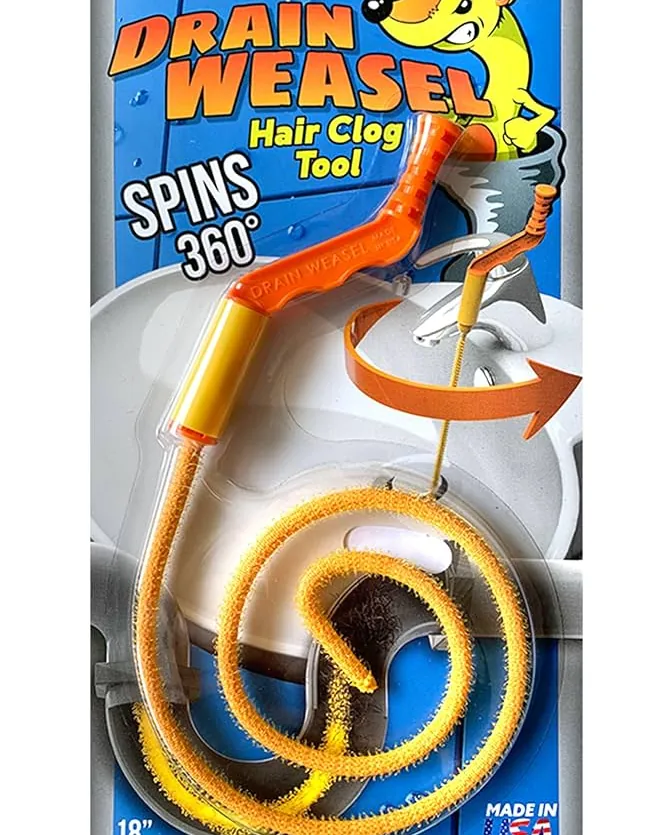
| Slow bathroom sink | Plastic Zip Tool | Pulls out hair clumps easily |
Understanding Chemical Drain Unblockers
Chemical unblockers work by introducing high-pH alkaline or acidic substances into the drain. These chemicals aim to turn grease into soap or break down hair into a liquid state that washes away. Common active ingredients include sodium hydroxide, sulfuric acid, or sodium hypochlorite. While these products are effective for slow-moving drains caused by buildup, they aren’t intended to clear total blockages.
The Risks of Chemical Use
Warning: Prolonged use of caustic drain cleaners can damage your pipes, especially if you have older galvanized steel or thin plastic piping. The heat generated by the chemical reaction can soften PVC or cause metal joints to weaken, leading to expensive leaks inside your walls. Furthermore, if the chemical fails to clear the clog, you’re left with a basin full of toxic, caustic water that a plumber must deal with manually, creating a significant safety hazard for service technicians.
How to Use a Drain Snake
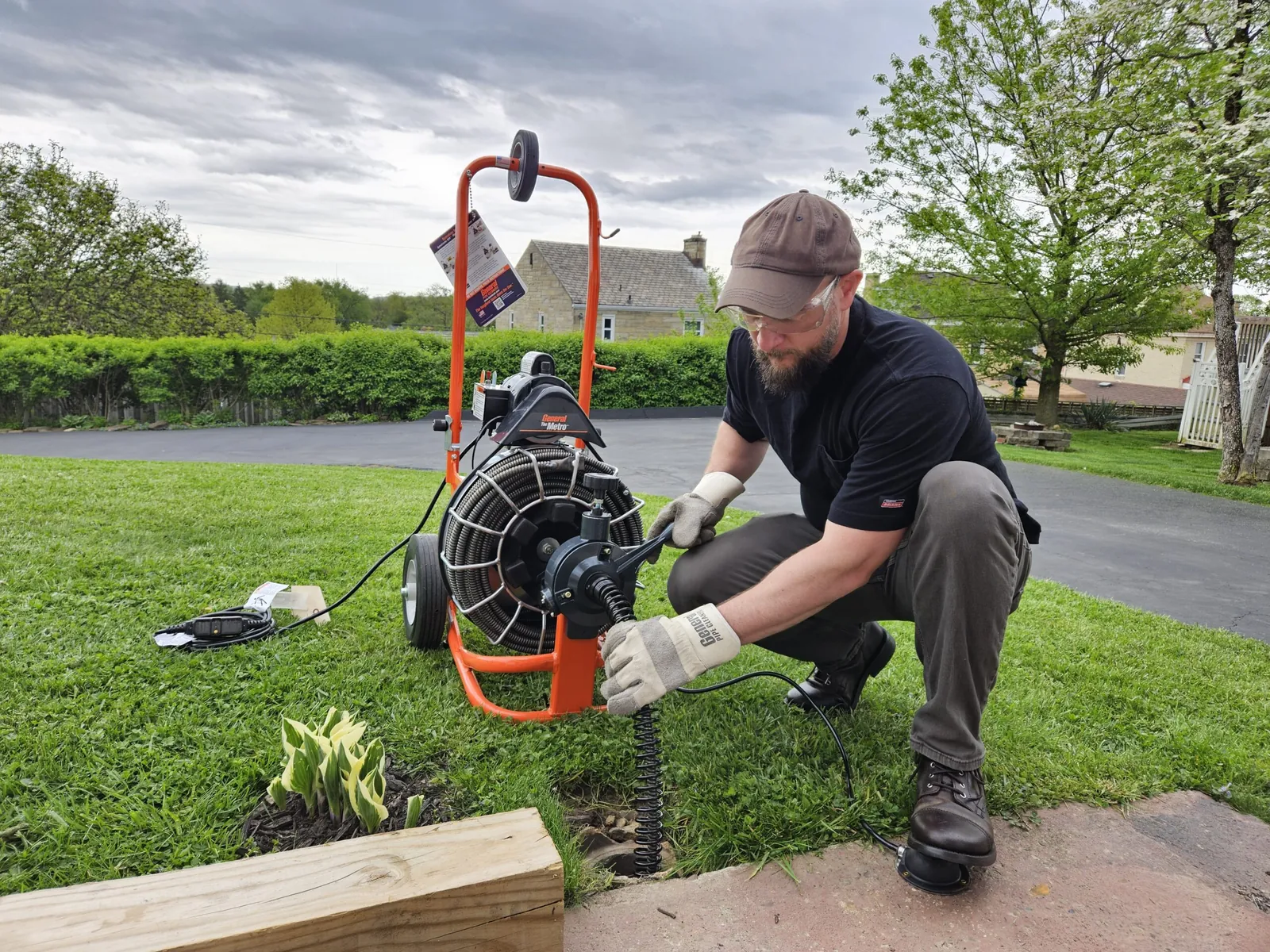
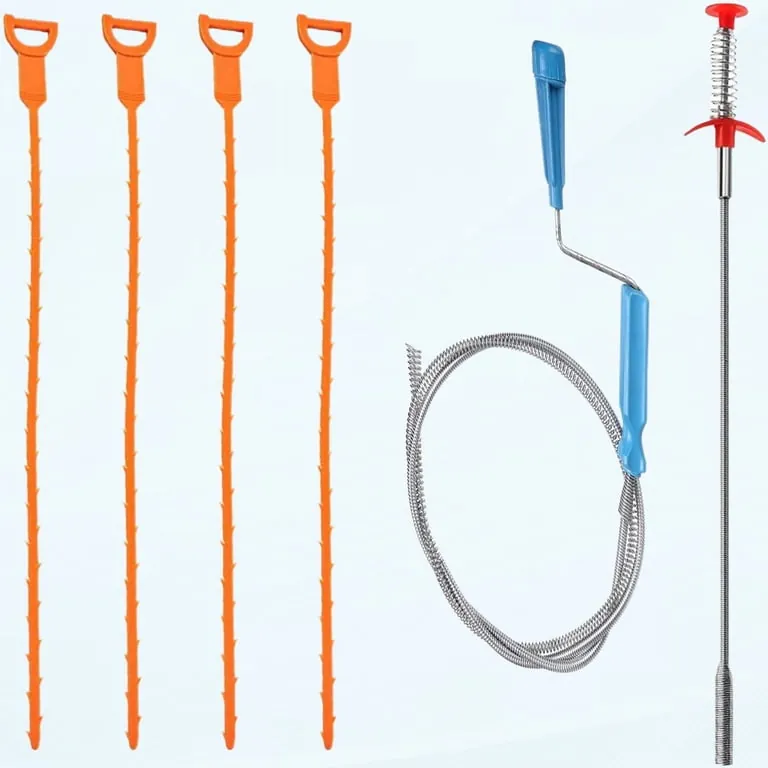
A drain snake, often called a plumber’s auger, is a long, flexible metal cable with a coil or hook at the end. To use one effectively, feed the cable into the pipe until you feel resistance. Once you hit the obstruction, rotate the handle to engage the hook into the debris. Pull back slowly to retrieve the blockage. If the snake feels like it’s hitting a curve, rotate it gently while pushing to navigate the trap.
Mechanical Removal vs Chemicals
Mechanical removal is the gold standard for long-term plumbing health. By physically pulling the object out, you eliminate the source of the problem entirely. In contrast, chemicals often only create a small hole in the middle of a clog, allowing water to pass through temporarily while leaving the bulk of the mass behind. This leads to recurring issues that require repeated chemical applications, which compounds the risk to your pipes.
Which Tool for Which Clog?
Identifying the cause of your plumbing issue is the first step toward a successful repair. If you’re dealing with a kitchen sink, the culprit is often congealed fat or food particles. For bathroom sinks, it’s almost exclusively hair and personal care product residue.
Essential Tools for Every Home
Every homeowner should have a basic set of plumbing tools to handle minor issues before they escalate. Instead of relying solely on store-bought liquids, consider keeping these items on hand:
- A standard 6-foot sink auger.
- A heavy-duty toilet plunger with an extension flange.
- A plastic barbed zip-style drain tool for hair.
- A pair of channel-lock pliers for removing P-traps.
Preventing Future Plumbing Disasters
Prevention is significantly easier than clearing a stubborn clog. Most household blockages are preventable if you implement a few simple habits. Never pour cooking grease down the kitchen sink; instead, pour it into a metal can and dispose of it in the trash. Use a mesh screen over every drain to catch hair and debris before it enters the pipe. Running hot water for a few seconds after each use helps flush out minor soap residue before it can accumulate.
When to Call a Pro
Sometimes, a clog is located deep in the main sewer line, far beyond the reach of a standard home auger. If you hear gurgling sounds from other drains when flushing the toilet, or if water is backing up into multiple fixtures, you likely have a main line issue. Pro Tip: Don’t attempt to use a heavy-duty motorized snake if you’re inexperienced; these tools can easily puncture pipes or cause significant physical injury if the cable binds unexpectedly.
Comparing Popular Unblocking Brands
When you decide to purchase a chemical solution, choose a brand that’s appropriate for your pipe material. Always read the label to ensure it’s safe for plastic, as some high-strength sulfuric acid cleaners are strictly for professional use in specific pipe types.
- Drano Max Gel: Effective for thick, standing-water clogs in bathroom sinks.
- Green Gobbler: A safer, enzyme-based alternative that’s better for septic systems.
- Liquid-Plumr: Offers specialized formulas for heavy-duty grease removal in kitchens.
- Ridgid Power Spin: A reliable, hand-operated mechanical auger for basic household repairs.
Troubleshooting Stubborn Blockages
If you have tried a snake and a chemical unblocker without success, stop immediately. You may be dealing with a collapsed pipe, tree root intrusion, or a foreign object lodged deep in the stack.
Continuing to force a metal snake into a damaged pipe can turn a simple clog into a major restoration project. At this stage, a professional plumber will typically use a miniature camera to inspect the interior of the pipe and identify the exact location and nature of the obstruction.
Frequently Asked Questions
Is it safe to use chemicals after snaking?
No, you should never mix chemicals with a physical attempt. If the snake fails, you might have residual debris in the pipe. Pouring chemicals on top of a failed mechanical attempt can lead to “splash-back” when you try to remove the snake again, or it may create a dangerous chemical reaction if the pipe is still partially blocked. Always flush with water first.
How often should I snake my drains?
You don’t need to snake your drains on a schedule. Only use a snake when you notice a slow-draining fixture. If you find yourself snaking the same drain more than twice a year, you likely have a recurring issue, such as a localized root intrusion or a partial collapse in the line that requires a professional camera inspection to resolve permanently.
Can I use a metal snake on a porcelain toilet?
Be extremely careful if using a metal snake on a toilet. Most standard snakes can scratch or crack the porcelain finish, which is impossible to repair. Instead, use a specialized “closet auger,” which is designed with a protective rubber sleeve to prevent contact between the metal cable and the delicate surfaces of your toilet bowl.
Are enzyme cleaners effective for clogs?
Enzyme-based cleaners are excellent for maintenance but poor for emergencies. They rely on biological agents to eat away at organic matter over several hours or days. They won’t clear a sudden, total blockage caused by a toy or a large hairball. Use them once a month to keep pipes clear, but don’t rely on them when the water isn’t moving.
Why does my sink smell after snaking?
A bad odor after snaking usually indicates that you have disturbed a buildup of organic material that was trapped in the P-trap or the overflow vent. Flush the drain thoroughly with hot water and a mild dish soap to clear the remaining residue. If the smell persists, you may need to manually remove and clean the P-trap located beneath the sink.
Conclusion
To resolve your current plumbing issue, start by attempting to remove the obstruction manually using a simple sink auger or a plastic zip tool. If the water remains stagnant, assess whether the blockage is likely organic or physical before choosing a chemical solution. If you still encounter resistance, contact a licensed professional to avoid costly damage to your home’s plumbing system.