
Salt-based water softeners are the better choice for removing hard water minerals like calcium and magnesium, while an electronic descaler vs salt based water softener comparison shows that descalers only change how minerals behave without removing them. If you have extremely hard water that leaves thick crusts on fixtures, go with a salt-based unit. If you only want to prevent scale buildup in pipes without adding salt to your diet, an electronic device is the preferred option.
Comparing water treatment technologies
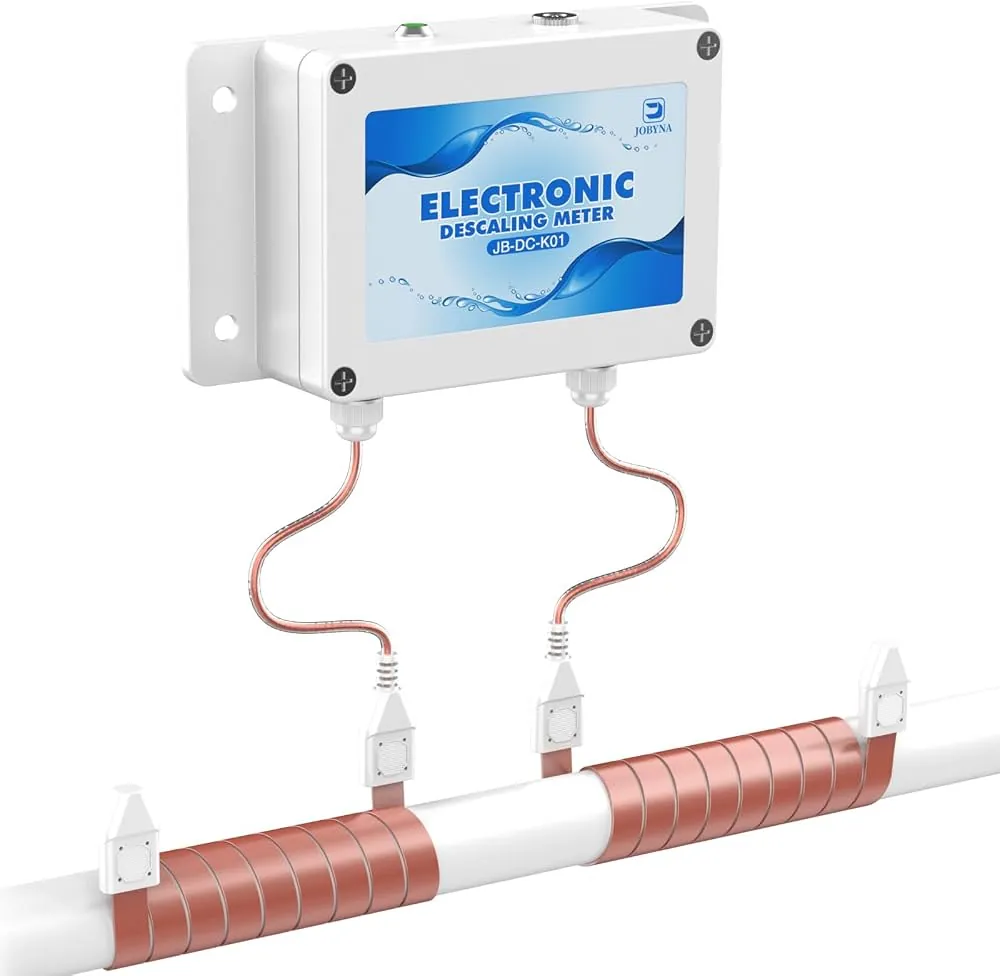
The following table outlines the key differences between the common ways to manage hard water at home. These methods vary based on how they interact with mineral ions and what they require from the homeowner for maintenance.
| Method | How long | Effort | Cost | Best for |
|---|---|---|---|---|
| Salt-based softener | 10-15 years | High | High | Total hardness removal |
| Electronic descaler | 15-20 years | Low | Low | Pipe scale prevention |
| Magnetic conditioner | 10+ years | None | Low | Minor scale reduction |
Salt-based systems use ion exchange to pull minerals out of the water. Electronic descalers use electromagnetic pulses to keep minerals in a liquid state so they don’t stick to surfaces. Note that if you have high levels of iron in your water, you must test the water first, as salt-based systems may require specific pre-treatment to avoid fouling the resin bed.
How salt-based water softeners work
These systems use a process called ion exchange to physically remove calcium and magnesium. You’ll need a dedicated space near your main water line for the resin tank and a separate brine tank.
Pour water softener salt into the brine tank. The system pulls hard water through a bed of resin beads coated in sodium ions. As water passes through, the beads swap sodium for the calcium and magnesium ions that cause hardness. Eventually, the beads become saturated with minerals and lose their effectiveness. The unit then triggers a regeneration cycle, flushing the collected minerals down the drain with a concentrated brine solution.
Most modern systems regenerate based on actual water usage rather than a fixed timer. If you notice your soap fails to lather or white crust appears on your faucets, your system is likely failing to regenerate properly. Check your salt bridge—a hard crust that forms at the top of the tank—which prevents salt from reaching the water. If you see a gap between the salt level and the water, break the crust with a broom handle.
The main weakness is the ongoing cost of salt and the discharge of salty wastewater into your plumbing. If your home has a septic system, you must check local regulations regarding brine discharge. Excessive salt can disrupt the bacterial balance in a septic tank, potentially leading to premature system failure or soil compaction in your drain field.
Using an electronic descaler
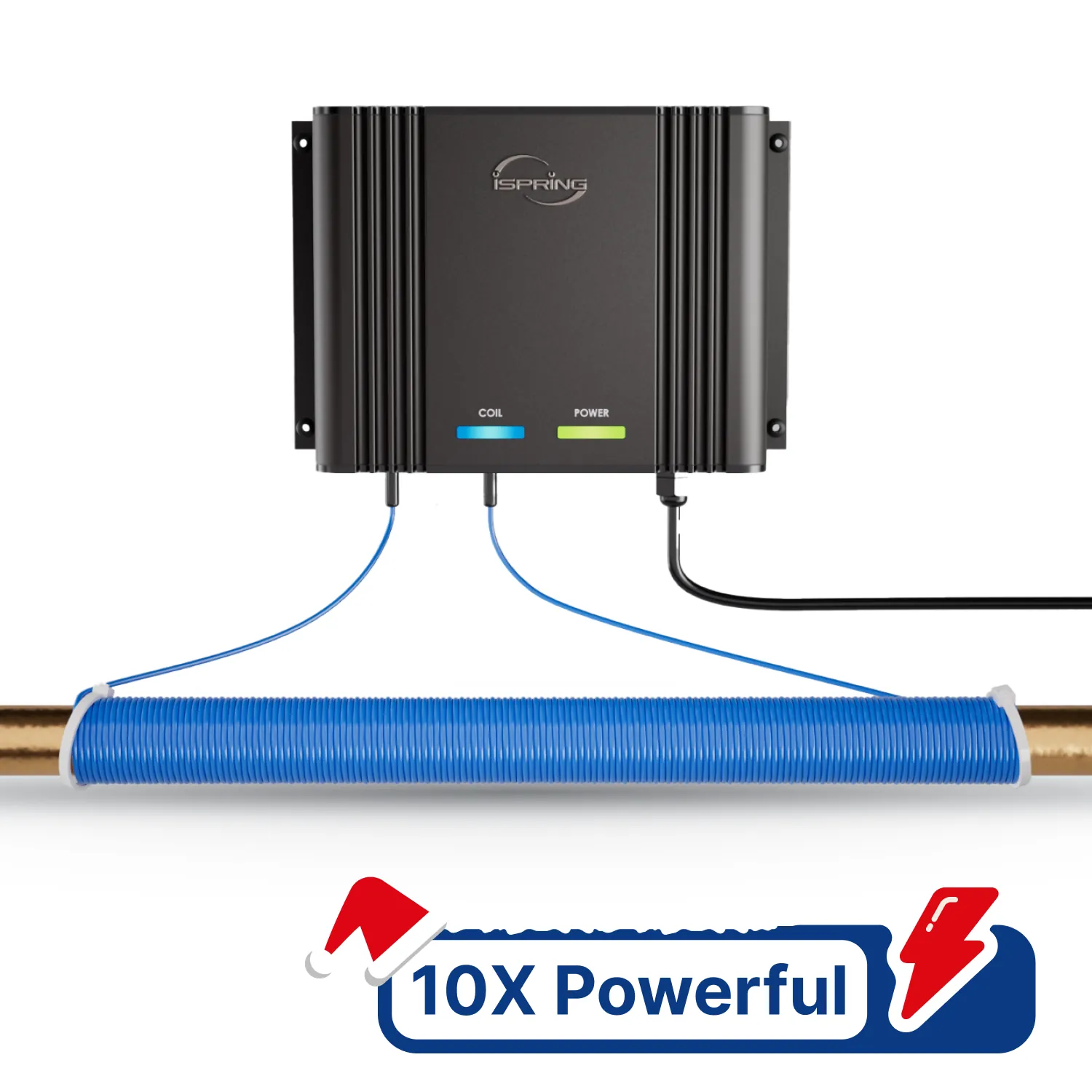
An electronic descaler is a small device that wraps around your main pipe. It uses electricity to create a field that alters the structure of mineral crystals, preventing them from bonding to your plumbing and heating elements.
Wrap the two signal cables tightly around your main water pipe, ensuring they’re at least three inches apart to maximize the electromagnetic field coverage. Plug the power adapter into a standard electrical outlet near the main shut-off valve. Turn the unit on to start the frequency, and monitor the indicator lights to ensure the signal remains active.
These units are excellent for people who can’t lift heavy salt bags or want a compact solution. They don’t remove minerals, meaning you won’t get that “soft” feeling on your skin.
If your water hardness exceeds 15 grains per gallon, these devices will likely struggle to prevent scale buildup in your water heater. In these cases, you should install a traditional salt-based softener instead.
Many homeowners make the mistake of installing the unit on a section of pipe that experiences stagnant water. Because the signal requires constant water movement to keep the minerals in their altered, non-stick state, the device will fail if placed after a long, unused branch line. Always install the unit on the main supply line before the water splits to your fixtures.
Magnetic water conditioning
Magnetic conditioners are passive devices that clamp onto the outside of your water pipes. They don’t require electricity or salt to function, making them the simplest installation.
- Clean the section of pipe where the device will attach.
- Place the magnets on opposite sides of the pipe.
- Secure the magnets tightly using the provided screws or straps.
- Check the alignment every few months to ensure they haven’t shifted.
These are best for renters or those on a tight budget who want to slow down scale formation. They don’t soften water and their effectiveness varies significantly based on the pipe material and the speed of the water flow. If you have plastic pipes, these devices often provide zero benefit because the magnetic field can’t reach the water effectively.
Choosing the right water system
When deciding between these technologies, your specific water needs dictate the winner. If you’re in a hurry, an electronic descaler wins because you can install it in ten minutes without plumbing skills. These units simply wrap around your main pipe, requiring no cutting or soldering. They’re ideal for renters or those with minimal space.
If you’re doing this for the first time, a salt-based softener is the reliable choice for total hardness removal, even if it requires more setup. These systems use ion exchange to physically replace calcium and magnesium with sodium.
The trade-off is simple: salt-based systems provide real, soft water at the cost of monthly salt refills and periodic maintenance, while electronic systems offer a low-effort way to keep pipes clear without changing water chemistry. If your water exceeds 10 grains per gallon of hardness, an electronic unit will likely prove insufficient. In that case, the salt-based system is mandatory to prevent scale buildup in your water heater.
Always check your local water report from your municipal utility to see the exact grains per gallon of hardness before buying. A unit sized for a small family will fail in a larger household, leading to premature resin exhaustion. If your household has more than four people, look for a system with a higher flow rate capacity to ensure you don’t experience pressure drops during peak morning hours.
Rules for consistent water quality

Regardless of the method you choose, you must monitor the performance of your system. First, test your water hardness levels with a kit from a hardware store to confirm the starting point. Aim for a reading below 1 grain per gallon to ensure your appliances remain protected from mineral buildup.
If you use a salt-based system, check the brine tank monthly to ensure the salt level stays at least three inches above the water line. If the salt bridges—forming a hard crust that prevents it from dropping into the water—the system will stop softening entirely. You can break this bridge by gently poking the salt with a broom handle.
Always follow the manufacturer’s instructions for the specific flow rate of your home. If you notice a sudden drop in water pressure, your filter or resin bed may be clogged. If the issue persists, contact a licensed plumber to inspect your main line.
Attempting to service a pressurized system yourself can lead to leaks or burst pipes, which often cost thousands in water damage. If your water tastes salty after a cycle, bypass the unit immediately and check for a faulty brine valve.
Related guides
Frequently asked questions
Can an electronic descaler replace a salt-based softener?
No, an electronic descaler can’t replace a softener because it doesn’t remove minerals from the water. While it prevents new scale from forming in pipes, the calcium and magnesium remain in the water. If you want the benefits of soft water—such as better soap lather and softer skin—you must use a salt-based system that physically pulls these minerals out.
How long does a bag of salt last?
A 40-pound bag of salt typically lasts between one and two months for a family of four. The exact amount depends on your water hardness level and how much water your household uses daily. Check your brine tank once a month; if you can see the water, it’s time to add more salt to keep the system working efficiently.
Is it safe to drink water from a salt-based softener?
Yes, it’s safe for most people, though the process adds a small amount of sodium to the water. If you’re on a sodium-restricted diet, you should consult your doctor about your water intake. You can also install a reverse osmosis system at your kitchen tap to remove the added sodium before drinking.
What happens if I stop adding salt?
If you stop adding salt, the ion exchange process will stop, and your water will return to its original hard state. Within a few days, you’ll likely notice scale buildup returning to your fixtures and decreased soap lather. The resin beads inside the tank may also become fouled if the system remains idle without salt for an extended period.
How do I know if I have hard water?
You can confirm hard water by looking for white, crusty deposits on your showerheads or faucets. You might also notice that your skin feels dry after showering or that your clothes feel stiff after air-drying. For an exact measurement, buy a water hardness test strip at a home improvement store to see your grains per gallon reading.
Is it hard to install these systems myself?
Installing an electronic descaler is easy and takes about ten minutes, while a salt-based softener is a complex job. A salt-based unit requires cutting into your main water line and creating a drain connection, which carries a risk of leaks if not done properly. If you aren’t comfortable with plumbing work, it’s safer to hire a professional to avoid costly water damage.
Conclusion
Choosing the right equipment depends on whether you need to remove minerals entirely or simply prevent them from sticking to your pipes. Test your water first to understand your specific hardness levels, as this prevents you from buying a system that’s either too weak or unnecessary for your home.