
A corner shower shelf is usually the best choice for a permanent, stable storage solution, while a hanging shower caddy works best for renters or people who want a quick, tool-free setup. Choosing between a hanging shower caddy vs corner shower shelf depends on your wall space and if you’re allowed to drill holes into your tiles or bathroom walls. If you have a rental apartment, the hanging version is better because it avoids permanent damage. If you own your home, the corner shelf offers a cleaner, more modern look.
Comparing bathroom shower storage options
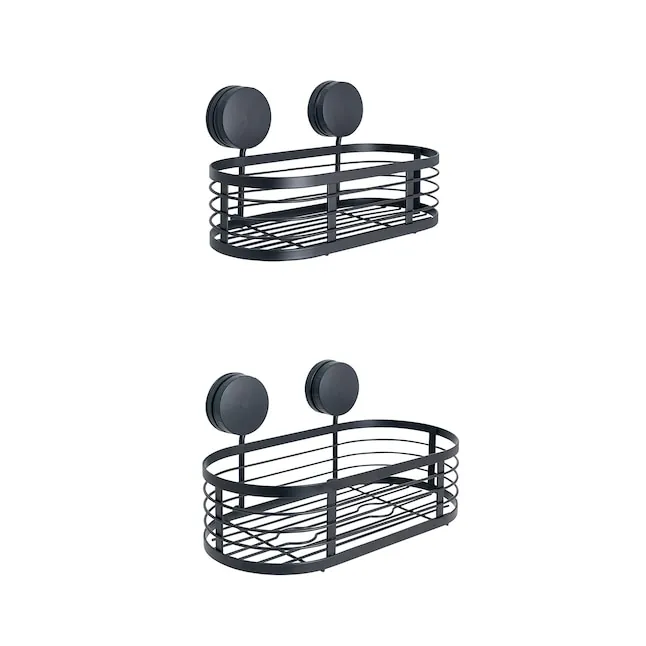
Most people choose storage based on how much weight it can hold and how easy it’s to clean. You must consider if your shower head is in a position that blocks a hanging unit or if your corner is too narrow for a fixed shelf.
| Method | How long | Effort | Cost | Best for |
|---|---|---|---|---|
| Hanging Caddy | 1 minute | Low | Low | Renters |
| Corner Shelf | 30 minutes | High | Medium | Homeowners |
| Tension Pole | 5 minutes | Medium | Low | Large families |
The cost is based on the material quality, such as stainless steel versus plastic. A hanging caddy is simple to install but can slide around on the shower pipe. A corner shelf requires more work but stays securely in place.
If your shower wall features uneven subway tile, avoid suction-cup models entirely. These will inevitably lose their seal within weeks, causing your products to crash into the tub. Instead, opt for a tension pole that spans the floor-to-ceiling distance, providing a stable vertical footprint.
Always check the depth of your corner before purchasing a fixed shelf. If the measurement is less than eight inches, standard units will protrude too far and obstruct your movement. In these tight spaces, use a narrow, tiered hanging caddy that utilizes vertical height rather than width.
Finally, prioritize 304-grade stainless steel over chrome-plated plastic. While the initial investment is higher, plastic inevitably cracks under the weight of large shampoo bottles, leading to recurring replacement costs. Stainless steel resists the constant moisture of a shower environment, preventing the rust stains that ruin porous grout.
Using a hanging shower caddy
This method uses the shower pipe or a hook to suspend the storage unit over your bathing area. It’s the most common choice for people who don’t want to use tools or damage their wall surfaces.
- Clean the shower pipe to remove soap scum or mineral buildup so the caddy sits flat.
- Slide the hook of the caddy over the shower pipe head.
- Secure any suction cups to the tile wall to prevent the unit from swinging when you pull bottles out.
- Arrange your heaviest bottles on the bottom tier to keep the center of gravity low.
This setup is perfect for small showers where floor space is limited. If you see the metal starting to bubble or turn orange, replace it immediately to avoid rust stains on your tub.
Installing a corner shower shelf
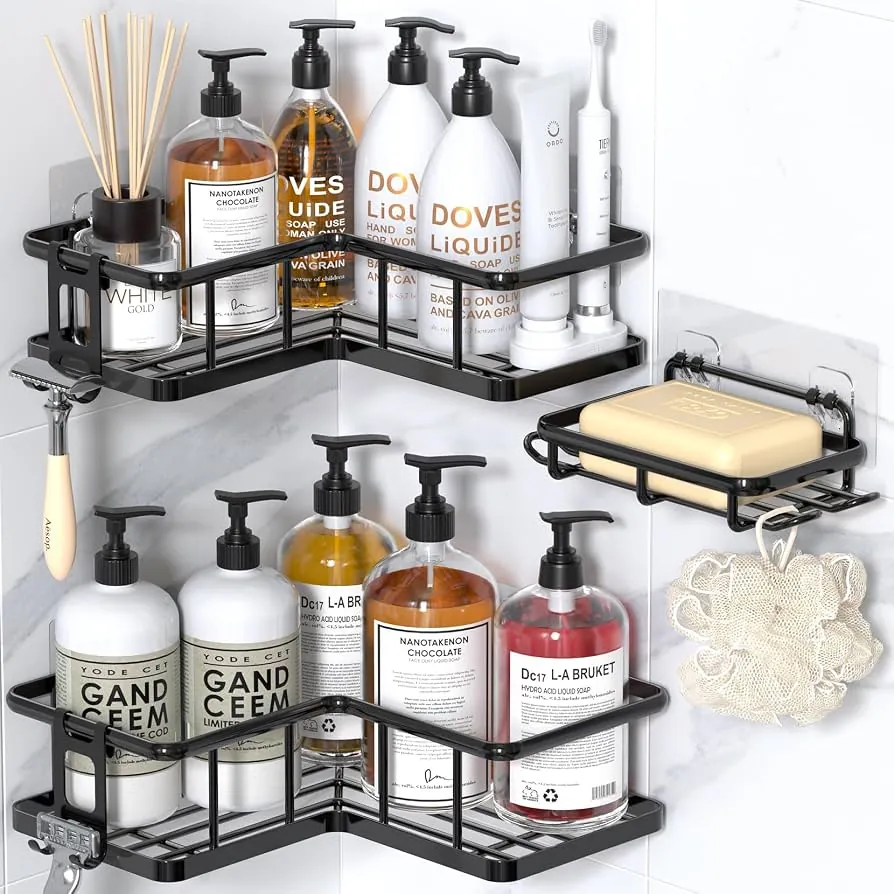
A corner shelf is a permanent fixture that attaches directly to the wall. This is a great way to maximize wasted space in the junction of two walls, providing a sturdy base for heavy shampoo and body wash bottles.
- Mark the desired height on the wall where the shelf will sit.
- Use a masonry drill bit to create holes in your tile, ensuring you don’t crack the ceramic surface.
- Insert plastic wall anchors into the holes to provide a grip for the screws.
- Mount the shelf bracket and tighten the screws until the unit is flush against the wall.
These shelves look professional and don’t move when you grab your soap. The downside is the permanent nature of the installation; once you drill into the tile, you can’t easily move the shelf to a new location. If you aren’t comfortable using a power drill on tile, hire a professional to avoid damaging your plumbing behind the wall.
Using a tension pole shower caddy
A tension pole caddy uses a spring-loaded rod to wedge itself between the floor and the ceiling. This provides four or more levels of storage without requiring any screws or permanent attachments to your walls.
Measure the exact height from your shower floor to the ceiling to ensure the pole fits. If your ceiling height falls within the final two inches of the pole’s maximum extension, choose a different model.
Assemble the pole sections according to the manufacturer’s manual. Place the base on the floor and extend the top section until it creates strong pressure against the ceiling. Use a bubble level to ensure the pole is perfectly vertical.
This method is excellent for large families who need extra storage for many bottles. If the pole isn’t placed on a level surface, it will eventually lean and fall over. This is a common mistake that risks damage to your plumbing fixtures. Always check the tension every few months to ensure the spring remains tight. If the shelves begin to sag under the weight of your products, redistribute the heaviest items to the bottom tier.
Choosing the right storage for your shower
When you’re in a hurry, the hanging shower caddy is the clear winner because it installs in seconds. If you’re doing this for the first time, the tension pole is usually easier to manage than drilling into hard tile walls. For those who want the best possible result regardless of the work involved, a fixed corner shower shelf is the superior choice for stability and style.
The main trade-off is between the ease of setup and the permanence of the fix. If you choose a drill-in shelf, you gain stability but lose the ability to change your mind later. If you choose a hanging unit, you gain flexibility but accept that the unit might sway or rust over time.
Always check your wall material before buying, as some lightweight suction cups won’t stick to textured or uneven bathroom tiles. If your tile has a porous finish or a heavy grout line, bypass suction entirely and opt for a tension pole or a screw-mounted shelf.
A common mistake is ignoring the weight of your products. If you use large, pump-style bottles, a flimsy caddy will sag.
Rules for safe bathroom storage
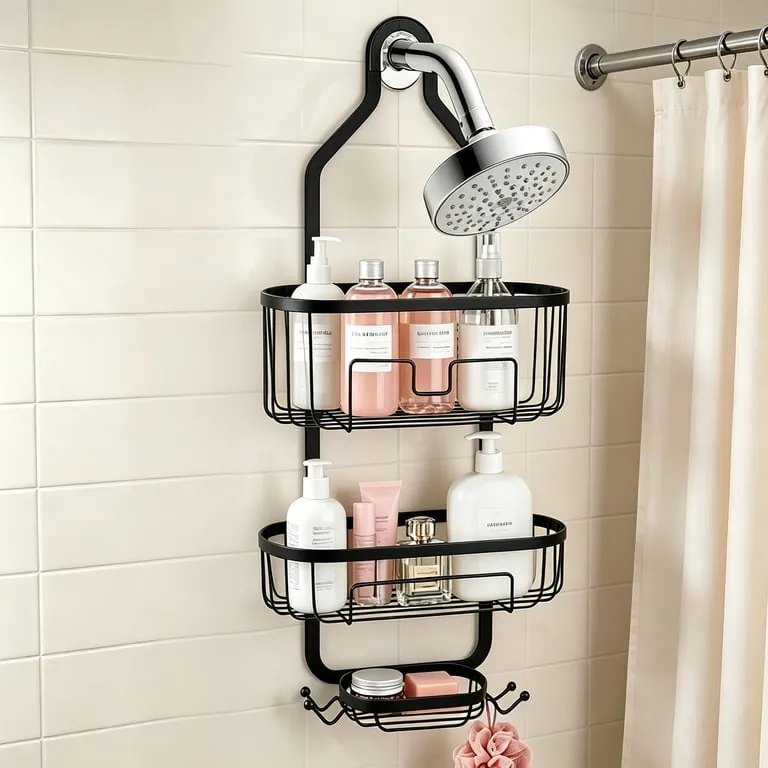
Regardless of the method you choose, you must ensure the items don’t block the water flow or create a trip hazard. Use products designed for wet environments to prevent mold growth, which is a common health concern in high-humidity areas. Always wipe down your storage unit weekly to remove soap residue and prevent bacterial buildup.
Check the weight limits published by the manufacturer for any shelf or caddy. If you put too many heavy glass bottles on a hanging unit, it can put excessive strain on the shower pipe and cause a leak. If you notice any cracks in your tile, stop the installation immediately and consult a professional contractor to prevent water from seeping into your wall structure.
If your bathroom lacks a mechanical exhaust fan, limit storage to items in sealed containers. Without proper ventilation, open bins trap moisture and accelerate the degradation of metal components. If you see rust spots forming on your rack, discard it before the corrosion spreads to your grout.
When mounting hardware, verify the wall material first. If you’re drilling into drywall, use toggle bolts to prevent the unit from pulling free under the weight of wet towels. If you’re drilling into tile, use a carbide-tipped bit to prevent shattering the surface.
Frequently asked questions
Can I install a corner shelf without drilling?
Yes, you can use heavy-duty waterproof adhesive strips or silicone sealant if the manufacturer states the product supports this method. However, these adhesives aren’t as strong as mechanical fasteners like screws. If you have heavy ceramic bottles, these sticky options may fail over time, causing the shelf to fall and potentially crack your bathtub floor. Only use this method for lightweight plastic items to ensure safety.
How long does a stainless steel caddy last?
A high-quality stainless steel caddy can last for a long time, though its lifespan depends on the humidity levels in your bathroom. If you live in an area with very hard water, mineral deposits will build up faster and speed up the corrosion process. You can extend the life of your unit by rinsing it with fresh water and drying it after every shower to prevent soap scum buildup.
What happens if I drill through a pipe?
If you accidentally drill into a pipe, you’ll likely see water spraying or leaking behind the wall immediately. You must turn off your home’s main water supply at the shut-off valve right away to prevent major flood damage. This isn’t a task for a DIY repair; you need to call a licensed plumber to open the wall and replace the damaged section of piping.
Is it safe to hang heavy items on the shower head?
No, it isn’t safe to hang heavy items on the shower head pipe because it can weaken the connection inside the wall. Most shower pipes are only designed to hold the weight of a standard shower head, not several pounds of soap and shampoo. Excessive weight causes the pipe to loosen, which leads to hidden leaks behind your tiles that can rot your wall studs over time.
How often should I clean my shower caddy?
You should clean your shower caddy at least once every two weeks to prevent mold and mildew. Use a mild soap or a vinegar-based cleaner to scrub away the buildup from the corners of the baskets. If you ignore this, the gunk will harden and become much harder to remove later. Regular maintenance keeps your shower looking clean and prevents the spread of bacteria in your bathroom.
Does a tension pole damage the ceiling?
Tension poles may leave circular indentations on ceilings if the pressure is set too high. To prevent this, place a rubber or felt pad between the pole and the ceiling to distribute pressure more evenly. Always ensure your ceiling is solid enough to support the tension before locking the pole in place.
Conclusion
Take a moment to look at your shower walls and decide if you’re ready for a permanent upgrade or if you’d prefer to keep things flexible. Once you’ve checked your available space, you’ll be able to pick the perfect organizer. You won’t regret clearing up that clutter for a much better morning routine.