
As an Amazon Associate, we earn from qualifying purchases. This post contains affiliate links – if you buy through them, we may earn a commission at no extra cost to you.
You can determine the best wood finish for a fireplace mantel by considering your wood type, the desired aesthetic, and your preferred level of maintenance. Fireplace mantels sit near a heat source, so you must decide between a film-forming finish for high protection or a penetrating oil for a natural, matte feel. Whether you prioritize a fast-drying clear coat or a heat-resistant oil, your choice changes how the wood ages and feels to the touch. If you want maximum durability, look at Minwax Fast Drying Polyurethane; if you prefer a natural, heat-resistant finish, consider Gilboys Hard Wax Oil.
1. Minwax Fast Drying Polyurethane Protective Wood Finish

Best for: Someone who wants a tough, long-lasting barrier against scratches and spills.
This finish creates a hard, protective film that sits on top of the wood. It’s an oil-based product, which gives the wood a warm, amber tone that many people enjoy for a classic mantel look. You’ll need to apply it with a natural or foam brush, and it dries quickly enough for recoats in 4 to 6 hours.
Because it’s so durable, it handles daily wear well. However, this product isn’t for someone who wants to feel the bare wood grain, as it creates a distinct coating. It’s also not suitable for those who dislike the slight yellowing effect that oil-based polyurethanes often produce.
Good if:
- You want a high level of scratch resistance.
- You prefer a warm, traditional look on your mantel.
- You need a finish that’s widely available and trusted.
Skip it if:
- You want to keep the wood looking perfectly light or clear.
- You’re sensitive to strong odors during application.
2. Minwax 622224444 Polycrylic Protective Wood Finish

Best for: A user who wants a clear, non-yellowing finish that stays true to the wood’s color.
This water-based formula is ideal for light woods like maple, ash, or birch. Because it’s non-yellowing, it won’t change the natural color of your mantel. It dries in just 2 hours, which is helpful if you want to finish your project in a single afternoon.
If you’re working on a piece that requires multiple coats, wait at least two hours between applications. Applying the next layer too early can trap moisture and ruin the finish. Use a high-quality synthetic bristle brush to ensure an even, streak-free application.
The matte sheen gives a modern, soft look without any unwanted shine. It’s easy to clean up with just soap and water, making it a great choice for a first-time DIY project. It isn’t for those who want a high-gloss, reflective surface, as the matte finish is intentionally subtle.
Good if: * You’re working with light-colored wood. * You want a quick-drying, low-odor product. * You prefer a modern, non-reflective appearance.
Skip it if: * You want the rich, amber glow of an oil-based finish. * You prefer a finish that highlights high-gloss surfaces. * You’re working with a project that requires a reflective, glass-like shine.
3. Minwax 233334444 Polycrylic Protective Wood Finish
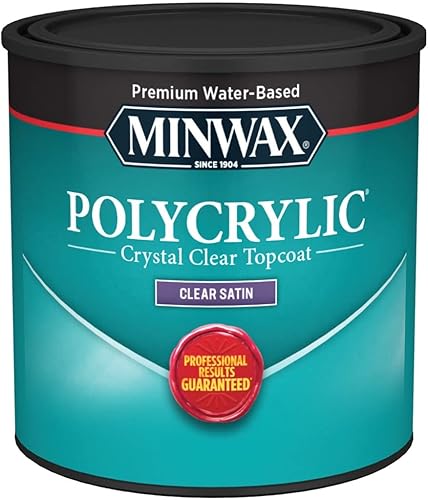
Best for: Someone who wants a classic, subtle sheen without the risk of yellowing.
Like the matte version, this satin finish is water-based and stays crystal clear. It’s perfect if you want a little bit of light reflection on your mantel while keeping the wood’s natural color intact. The satin sheen is professional and smooth, providing a polished look that isn’t too shiny.
This product is low-odor and very fast-drying, allowing for quick recoats after two hours. It works well over both oil and water-based stains, as well as light woods like maple, ash, and birch. If you’re working on interior furniture, doors, or cabinets, use a high-quality synthetic bristle brush to ensure an even coat.
Apply this when you need an easy soap and water clean-up. Because it’s non-yellowing and non-ambering, it remains a reliable choice for light-colored projects where clarity matters most. It isn’t for someone who wants the deep, heavy-duty protection of an oil-based poly, as water-based coatings are generally thinner.
Good if: * You want a classic, slightly soft sheen. * You need a finish that’s easy to apply and clean.
Skip it if: * You’re looking for a high-gloss, reflective finish. * You want a heavy-duty oil-based protective layer.
4. Minwax 70000444 Wood Finish
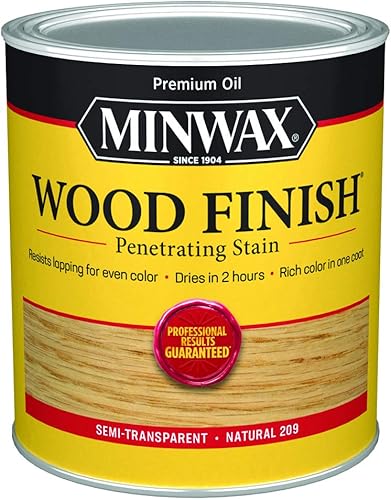
Best for: A user who wants to change the wood’s color while enhancing the grain.
This oil-based stain penetrates deep into the wood pores to provide rich, even color. It’s designed to be wiped on and then wiped off, which makes it very easy to apply even for beginners. Apply the stain in the direction of the grain using a clean cloth or a brush. Once applied, wait between 5 and 15 minutes before wiping away the excess. If you desire a darker or richer tone, simply wait longer before wiping or apply additional coats.
The product dries rapidly, allowing you to move on to a topcoat without a long wait. The natural version provides a light, neutral tone that lets the wood’s own beauty show through. It isn’t a protective topcoat on its own, so you must add a clear sealer over it for long-term protection.
Good if: * You want to darken or even out the wood grain. * You want a product that’s easy to wipe on. * You plan to add a protective clear coat later.
Skip it if: * You want a one-step product that seals and stains. * You prefer a completely clear finish. * You want to keep the wood in its raw, unstained state.
If you notice lapping, remember the formula is designed to resist this issue if you work efficiently within the drying window.
5. Watco Natural Oil Finish One Step Protection

Best for: Someone who wants a natural, hand-rubbed look that feels like real wood.
This oil-based formula soaks deep into the wood fibers rather than sitting on top like a plastic coating. It creates a warm, rich glow that highlights the natural character of the mantel. It’s very easy to apply, often requiring nothing more than a cloth to rub it into the wood. Because it penetrates the pores, many projects can be completed in less than an hour.
Good if: * You prefer the look of natural, oiled wood. * You want a finish that’s easy to repair. * You enjoy a soft, non-plastic feel.
Skip it if: * You want a high-gloss, mirror-like finish. * You need maximum resistance against heavy impacts. * You’re finishing a floor.
6. Osmo Wood Wax Finish Extra Thin

Best for: Someone finishing exotic or dark hardwoods who needs a spot-repairable surface.
This is an extra-thin wax finish that remains microporous, allowing the wood to breathe naturally. Because it doesn’t form a thick film, it won’t crack, peel, flake, or blister. It’s highly resistant to common household spills, including wine, beer, cola, tea, fruit juice, milk, and water.
Use this as a standalone finish or as a base coat to enhance the depth of dark or exotic hardwoods. If the surface becomes scratched, you can perform a spot repair rather than sanding the entire piece. This makes long-term maintenance simple and effective.
If you’re choosing between this and a film-forming finish, check the wood density. For oily, dense exotic species, the thin consistency of this wax ensures better penetration than standard polyurethane. However, if you want a thick, high-gloss shell, this product won’t provide that result.
Good if: * You want a finish that’s easy to fix. * You prefer a breathable, non-peeling coating.
Skip it if: * You want a thick, high-gloss polyurethane look.
7. Zinsser Bulls Eye Shellac Sealer
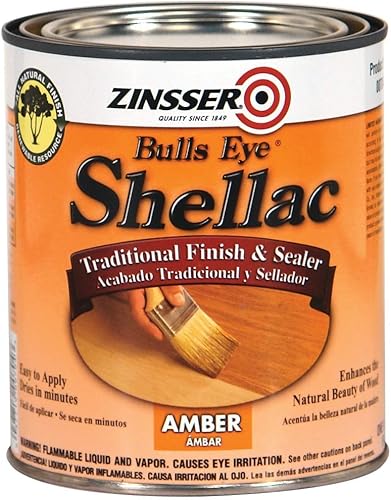
Best for: A user who needs a quick-drying sealer that blocks odors and prepares the surface.
Shellac is a traditional, all-natural finish that dries very quickly. It’s excellent for sealing wood, especially if you’re concerned about odors or tannins bleeding through the finish. It provides a classic, warm look that’s very easy to touch up. Beyond wood, this sealer effectively blocks odors in plaster, drywall, and masonry.
Good if: * You need to seal the wood quickly. * You want a natural, non-toxic sealer. * You appreciate traditional finishing methods. * You’re working on crafts or household projects.
Skip it if: * Your mantel is exposed to high direct heat. * You need a highly durable, scratch-proof coating. * You require a finish that resists softening in extreme temperatures.
8. Minwax Helmsman Teak Oil

Best for: A mantel that’s exposed to high moisture or UV light.
This oil is designed specifically for dense woods, providing a deep barrier against moisture damage. While frequently used for outdoor furniture, it excels on indoor mantels positioned near windows with harsh, direct sunlight. It penetrates the wood pores to restore natural warmth and richness while enhancing the existing grain.
If the oil beads on the surface rather than soaking in, your wood is too porous for this specific product. Apply the oil periodically to refresh the finish; this simple maintenance prevents the wood from drying out or graying.
It isn’t for someone who wants a thick, high-gloss film. The result is a natural, matte appearance that feels like bare wood.
Good if: * Your mantel sits near a window with bright sun. * You want a finish that actively guards against moisture. * You prefer a natural, oiled look over a synthetic shine.
Skip it if: * You want a thick, protective film that sits on top of the wood. * You require a finish for marine surfaces below the water line.
9. Gilboys Hard Wax Oil

Best for: Someone who wants a heat-resistant, food-safe finish for their mantel.
This natural, hard wax oil is ideal for surfaces touched often or exposed to heat. Because it resists water and heat, it’s a practical choice for a fireplace mantel. You don’t need special tools or ventilation to apply it, making it a straightforward DIY project. It provides a professional satin finish that enhances the wood grain rather than masking it.
Because it’s all-natural, it serves as a safe alternative to toxic, chemical-heavy finishes. If you’re finishing a surface where food is prepared, this is the superior choice. It isn’t for someone who wants a high-gloss, plastic-like shine. The finish is designed to feel like natural wood, not a synthetic coating.
Good if: * You want a heat-resistant finish for kitchen worktops or dining tables. * You prefer natural, non-toxic ingredients for child-safe environments. * You want a professional-looking satin sheen that highlights wood grain.
Skip it if: * You want a glossy, reflective surface. * You prefer a traditional, film-forming polyurethane that sits on top of the wood rather than soaking into it.
10. Emmet’s Good Stuff Wood Finish (Pint)

Best for: A professional-grade, easy-to-use finish that’s safe for the home.
This finish is famous for being very easy to apply with just a cloth. It provides a clear satin look that’s non-toxic and safe to have in your living room. It’s a very forgiving product, making it ideal for someone who is worried about brush marks or uneven application. One pint covers approximately 90 square feet, so measure your surface area before starting to ensure you have enough for a complete project.
It provides a smooth, professional-looking finish that enhances the wood without hiding it. If you’re working on a kitchen island or a serving tray, the food-safe nature of this product makes it a superior choice over standard varnishes. It isn’t for those who want a high-gloss finish, as it’s strictly a satin product.
Good if: * You want a simple, cloth-applied finish. * You need a non-toxic product for your home. * You want a forgiving, professional result.
Skip it if: * You prefer a high-gloss finish. * You want a heavy-duty, film-forming protection. * Your project requires more than 90 square feet of coverage per container.
Choosing the best wood finish for your fireplace mantel
Many of the products here fall into two main categories: film-forming finishes and penetrating oils. Minwax Fast Drying Polyurethane, Minwax Polycrylic Matte, and Minwax Polycrylic Satin all form a protective “shell” over the wood. If you want a smooth, perfectly sealed surface that resists scratches, these are your best choices. The main difference between them is the sheen and the base; the polyurethanes provide a warmer, amber tone, while the Polycrylics stay clear and are better for light-colored woods.
On the other hand, Watco Natural Oil, Gilboys Hard Wax Oil, and Emmet’s Good Stuff Finish penetrate the wood to protect it from within. These are for those who prefer the feel of natural wood. They’re generally matte or satin and won’t give you that thick, plastic-like coating. If you have a mantel that’s a focal point of your room, the choice usually comes down to whether you want that “built-up” shine or a natural, wood-like texture.
Use film-forming finishes when your priority is resisting spills and heavy abrasion. If you choose the Polycrylic Matte, you can apply a second coat shortly after the first using a synthetic brush. If you choose oil-based polyurethane, you must wait 4-6 hours and use a natural or foam brush. If you want a food-safe surface for a kitchen table, skip the polyurethanes and select a penetrating oil like Gilboys or Emmet’s.
Still Not Sure?
How often will I really use the mantel?
If you plan to place heavy items, candles, or vases on your mantel daily, you need a finish that resists scratches and rings. Film-forming products like Minwax Fast Drying Polyurethane are much better at handling physical wear than oils. If the mantel is mostly decorative and rarely touched, a penetrating oil like Watco Natural Oil will keep it looking beautiful without the need for a thick, artificial-looking coating.
What do I already own that this has to work with?
Think about the wood species and any existing stain you have used. If you have a light-colored wood like maple or ash, you should avoid oil-based polyurethanes, which will turn your mantel yellow. Instead, look at the Minwax Polycrylic Matte or Satin, which are formulated to stay clear.
What am I most likely to regret choosing?
Most people regret choosing a finish that’s too glossy for their room, as high-gloss surfaces can look “plastic” and show dust or imperfections very easily. For those worried about safety or chemical odors, Environmental Protection Agency guidelines suggest choosing low-VOC options like the water-based Polycrylics or natural oils to keep your living room air clean.
If you’re still undecided, choose Minwax Fast Drying Polyurethane for maximum durability or Gilboys Hard Wax Oil for a natural, heat-resistant feel. Both are excellent for mantels, but they provide very different textures and levels of protection. Start by identifying whether your priority is a “shell” that hides the grain or an oil that enhances it. Once you decide on that, you’ll know exactly which product to grab for your project.
Related guides