
Finding reliable foosball resources can transform a casual game into a serious pursuit. Whether you’re looking for tactical advice, equipment reviews, or community forums, the internet offers a wealth of information for players at every skill level. The key is knowing where to look and how to filter out low-quality content from genuine expertise. This guide consolidates the most effective tools, training methods, and informational hubs available today. By leveraging these materials, you can improve your footwork, refine your shooting technique, and understand the strategic depth of table soccer.
Key Takeaways
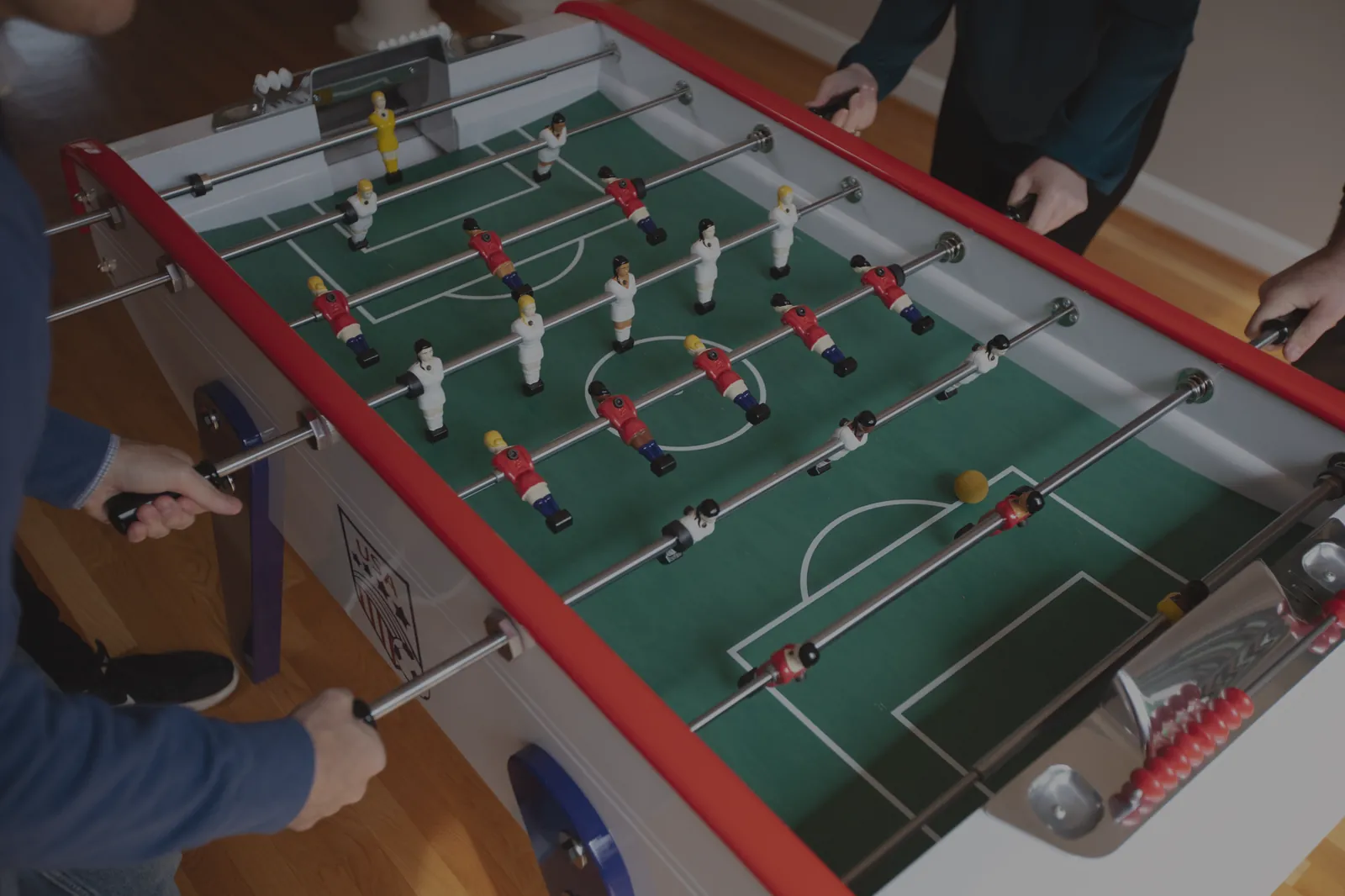
- Join official USA Foosball communities to access structured leagues and verified tournament schedules across the country.
- Use slow-motion video analysis of professional matches to study rod control and timing rather than just watching highlights.
- Invest in high-quality practice balls and maintain consistent ball pressure to ensure accurate training results.
- Focus on mastering the flick shot and the basic pull shot before attempting advanced maneuvers like the reverse flick.
- Regularly clean and lubricate rods to prevent friction that hinders quick reactions during competitive play.
- Utilize online forums to troubleshoot specific mechanical issues with your table before seeking expensive repairs.
Essential Online Communities
The foundation of any learning journey is community. Engaging with other players provides immediate feedback and motivation. The primary hub for American players is the USA Foosball website and its associated social media groups. These platforms host discussions about rule variations, local league formations, and national championship updates. Participating in these spaces allows you to ask questions directly to experienced competitors. You’ll find threads dedicated to specific strategies, such as defending against aggressive attackers or managing the midfield effectively.
Another valuable resource is Reddit’s foosball subreddit. While less formal than official bodies, it serves as a dynamic space for gear recommendations and casual advice. Users frequently share links to sales, new table models, and DIY maintenance tips. However, always cross-reference advice found here with more authoritative sources, as opinions can vary widely based on individual experience levels. Community engagement accelerates learning by exposing you to diverse playing styles and problem-solving approaches.
Pro Tip: When posting questions in forums, include details about your table model and skill level to receive more targeted and useful responses from veteran players.
Official Governing Bodies
For those interested in competitive play, understanding the rules is paramount. The International Table Soccer Federation (ITSF) sets the global standards for equipment and gameplay. Their website provides detailed regulations regarding table dimensions, player heights, and ball specifications. Adhering to these standards ensures that your skills transfer seamlessly between different venues and tournaments. Similarly, USA Foosball governs domestic competitions and maintains a database of certified tables and approved accessories.
Reviewing the official rulebook isn’t just for tournament preparation; it clarifies common misconceptions about fouls and scoring. For instance, many casual players are unaware of the strict guidelines surrounding “blocking” or improper body positioning. Understanding these nuances prevents bad habits from forming early in your development. Rule compliance is essential for anyone aiming to compete seriously, as deviations can lead to disqualification in sanctioned events.
Training Drills and Techniques
Improvement requires deliberate practice, not just endless games. Start with fundamental drills that isolate specific skills. One effective exercise is the one-touch passing drill, where you pass the ball back and forth between two figures without letting it bounce excessively. This builds muscle memory for precise stick handling. Another critical drill is the target practice shot, focusing on hitting specific corners of the goal repeatedly. This enhances accuracy and helps you develop a consistent release point for your shots.
Video tutorials from recognized coaches offer visual guidance that text alone can’t provide. Look for content that breaks down complex moves into manageable steps. Pay attention to hand placement, wrist action, and body posture. Many experts emphasize the importance of keeping your elbows tucked in to maximize leverage and speed. Deliberate practice involves setting specific goals for each session, such as improving flick consistency or reducing defensive errors.
| Drill Name | Primary Skill Focus | Difficulty Level | Estimated Time |
|---|---|---|---|
| One-Touch Pass | Stick Control | Beginner | 15 minutes |
| Corner Shot | Accuracy | Intermediate | 20 minutes |
| Defense Slide | Reaction Time | Advanced | 10 minutes |
| Goalie Save | Reflexes | Intermediate | 15 minutes |
Equipment Maintenance Guides
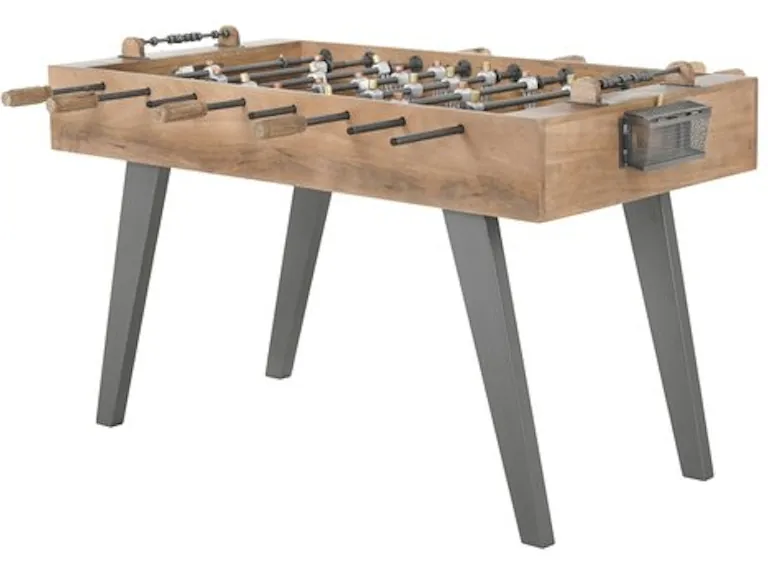
A well-maintained table performs significantly better than a neglected one. Dust and debris accumulate in the rods and rails, causing friction that slows down movement. Regular cleaning with a dry cloth and compressed air can remove loose particles.
For deeper maintenance, disassemble the rods and apply a small amount of silicone-based lubricant. Avoid using oil-based products, as they attract dirt and can damage the plastic components over time. Check the tension of the springs regularly to ensure even resistance across all rods.
Ball quality also impacts performance. Standard foam balls lose their shape and bounce unpredictably after extended use. Replace them periodically to maintain consistent gameplay. High-density balls offer better durability and more realistic flight paths, making them ideal for serious training. Table upkeep is often overlooked but is crucial for preserving the integrity of your equipment and ensuring fair play conditions.
Warning: Never use WD-40 or similar penetrating oils on foosball rods, as they can degrade plastic parts and create a sticky residue that worsens friction.
Foosball Tactical Strategy Resources
Strategy separates good players from great ones. Study match footage to analyze decision-making processes. Notice how top players position their figures to cover angles and anticipate opponent moves. Defensive strategies often involve keeping figures slightly behind the ball to react quickly, while offensive plays may require advancing figures to apply pressure. Understanding the flow of the game allows you to control the pace and force mistakes from your opponent.
Reading books or articles written by champions can provide deeper insights into mental preparation and game planning. These resources often discuss psychological tactics, such as varying shot types to keep opponents guessing. Developing a versatile toolkit of moves ensures you’re never predictable. Strategic awareness involves constantly assessing the board state and adjusting your approach based on the score and remaining time.
Finding Local Leagues
Playing against live opponents is the best way to test your skills. Search for local leagues through USA Foosball’s directory or community bulletin boards. Many bars, recreation centers, and hobby shops host regular tournaments. Joining a league provides structured competition and exposes you to different playing styles. It also fosters camaraderie and networking opportunities within the foosball community. Some leagues offer coaching sessions or workshops led by experienced players.
When selecting a league, consider the skill level and commitment required. Beginner-friendly leagues focus on fun and learning, while competitive circuits demand higher dedication and travel. Attending open houses or trial sessions can help you gauge the atmosphere and suitability before committing. Local participation builds confidence and provides real-world application for the techniques you have practiced.
Video Analysis Tools
Modern technology offers powerful tools for self-improvement. Record your games using a smartphone or camera placed at a consistent angle. Reviewing footage allows you to identify technical flaws that are difficult to notice in the moment. Look for inconsistencies in your grip, stance, or follow-through. Compare your movements with those of professional players to spot areas for refinement. Slow-motion playback is particularly useful for analyzing fast-paced exchanges and reaction times.
Software applications designed for sports analysis can enhance this process. These tools enable frame-by-frame review and side-by-side comparisons. While some features may require a subscription, the free versions often suffice for basic analysis. Incorporating video review into your routine creates a feedback loop that accelerates skill acquisition. Visual feedback is an objective measure of progress that complements subjective feelings of improvement.
Recommended Reading List
Books and digital publications provide comprehensive knowledge bases. Titles focused on table soccer history, rules, and strategy offer context and depth. Look for authors who have competed at high levels or coached extensively. These works often include diagrams and illustrations that clarify complex concepts. Digital magazines and newsletters keep you updated on industry trends, new product releases, and upcoming events. Subscribing to reputable sources ensures you receive curated content relevant to your interests.
Reading about the evolution of the sport can also inspire creativity. Understanding how techniques have changed over time provides perspective on current best practices. It highlights the enduring principles of balance, timing, and precision. Literary resources serve as reference materials that you can consult whenever you encounter challenges or seek inspiration.
Related guides
- Best Foosball Tables Under 500: Top 5 Picks in 2026
- How to Find IP Address for Camera: Quick Router Method
- 10 Best Lubricant for Table Saw Gears Picks for Smooth Cuts in 2026
Frequently Asked Questions
What is the best foosball table for beginners?
For beginners, a standard-sized table with smooth-gliding rods is ideal. Brands like Kickmaster or Hathaway offer affordable entry-level models that provide decent durability. Look for tables with aluminum rods rather than steel, as they’re lighter and easier to maneuver. Ensure the table has adjustable feet to keep it level on uneven floors, which is crucial for fair play and consistent ball roll.
How do I fix a stuck rod?
First, check for obstructions like dust or debris inside the housing. Clean the area thoroughly with compressed air. If the rod remains stiff, disassemble it and apply a small amount of silicone lubricant to the moving parts. Avoid oil-based lubricants. If the issue persists, the internal bearings or bushings may be worn out and require replacement. Consult the manufacturer’s manual for specific disassembly instructions.
Are electronic foosball tables worth buying?
Electronic tables add convenience by automatically tracking scores and sometimes simulating ball movement. They’re excellent for casual home use and parties. However, they lack the tactile feedback and physical challenge of traditional tables. Serious players generally prefer manual tables for authentic skill development. Consider your primary use case: entertainment versus competitive practice.
How often should I replace foosball balls?
Standard foam balls typically last six months to a year with regular use. Signs of wear include deformation, loss of bounce, and discoloration. High-density balls may last longer but are more expensive. Replacing balls when they show signs of wear ensures consistent gameplay. Using worn balls can negatively impact shot accuracy and defensive reactions, hindering your progress.
Can I learn foosball tricks online?
Yes, numerous YouTube channels and websites offer tutorials on various foosball tricks. Look for instructors with proven track records or endorsements from recognized bodies. Practice slowly and gradually increase speed as you gain confidence. Consistency is key to mastering complex maneuvers. Be cautious of unverified sources that may promote ineffective or unsafe techniques.
What size foosball table fits in a small apartment?
Compact or mini foosball tables are designed for smaller spaces. These tables are usually shorter in length but maintain proportional field dimensions. Measure your available space carefully, including clearance for rod movement. Ensure the floor can support the table’s weight. Some foldable options exist for easy storage, though they may sacrifice some stability compared to permanent installations.
Conclusion
Mastering foosball requires a blend of technical skill, strategic thinking, and consistent practice. By utilizing the resources outlined above, you can accelerate your learning curve and enjoy a more rewarding experience. Whether you aim to dominate local leagues or simply improve your backyard games, the path to proficiency is clear. Start with the fundamentals, engage with the community, and remain committed to continuous improvement. Your dedication will pay off in every match you play.