
When it comes to choosing the right cement board for your next tile project, you might find yourself stuck between Hardibacker and Durock. Both promise strength and durability, but which one truly fits your needs?
You want a surface that lasts, resists moisture, and holds up under pressure—without causing headaches during installation. You’ll discover the key differences, benefits, and drawbacks of Hardibacker and Durock, helping you make a confident choice for your home or business.
Keep reading to find out which one will give your project the solid foundation it deserves.

Credit: thecavenderdiary.com
Material Composition
Material composition plays a key role in choosing the right cement board. It affects strength, durability, and water resistance. Both Hardibacker and Durock have unique mixes of materials. Understanding these helps in picking the best option for your project.
Hardibacker Components
Hardibacker boards mainly use cement, sand, and cellulose fibers. The cement provides a sturdy base. Sand adds extra strength and helps with water resistance. Cellulose fibers bind the materials together and add flexibility. This mix creates a strong, lightweight board. It resists moisture and mold effectively. The fibers improve durability without adding much weight.
Durock Components
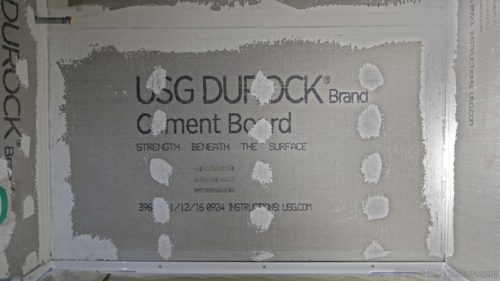
Durock boards combine Portland cement, aggregate, and fiberglass mesh. Portland cement forms the core and offers high strength. The aggregate gives the board hardness and toughness. Fiberglass mesh reinforces the board, preventing cracks and breaks. This blend results in a dense, heavy board. It offers excellent water and fire resistance. The fiberglass makes it very durable under stress.
Moisture Resistance
Moisture resistance is a key factor when choosing tile backer boards. It helps prevent damage caused by water and humidity. Both Hardibacker and Durock offer good moisture resistance. Understanding their differences helps pick the right material for your project.
Waterproofing Capabilities
Hardibacker is made from cement and cellulose fibers. It resists moisture well but is not fully waterproof. Water can pass through if not sealed properly. Durock consists of cement and fiberglass mesh. It offers better water resistance than Hardibacker. Durock also requires a waterproof membrane for full protection. Both boards need additional waterproofing in wet zones.
Suitability For Wet Areas
Hardibacker suits areas with low to moderate moisture. Bathrooms and kitchens work well if sealed correctly. Durock handles high-moisture areas better. It is ideal for showers and steam rooms. Proper installation and sealing are vital for both. Choose Durock for heavy water exposure and Hardibacker for less wet spaces.
Durability And Strength
Durability and strength are important for choosing the right backer board. Both Hardibacker and Durock offer good qualities. These qualities affect how long the board lasts and how well it holds up under pressure. Understanding these differences helps pick the best option for your project.
Strong and durable backer boards prevent cracks and damage. They support tiles and other finishes well. Knowing their limits guides proper use and installation.
Load-bearing Capacity
Durock has a high load-bearing capacity. It holds heavy tiles and stones firmly. Hardibacker is also strong but best for lighter materials. Durock’s cement base adds extra strength. Hardibacker uses fiber cement for good support but less weight tolerance. Choose Durock for floors or walls with heavy tiles. Hardibacker works well for lighter applications like bathroom walls.
Impact Resistance
Durock resists impacts better due to its dense composition. It can handle bumps without cracking. Hardibacker is less impact-resistant but still durable. It may dent or chip under strong hits. For areas prone to knocks or hits, Durock is safer. Hardibacker suits spaces with less risk of impact damage.
Credit: www.diytileguy.com
Installation Process
The installation process for Hardibacker and Durock boards is a key factor to consider. Each has unique steps that affect your project’s ease and time. Understanding these steps helps you choose the best option for your needs. Below, we break down the cutting and handling, and fastening methods for both materials.
Cutting And Handling
Hardibacker is lighter and easier to cut. Use a score-and-snap method with a utility knife. This makes clean cuts without special tools. It produces less dust, which is better for indoor use.
Durock is heavier and denser. Cutting requires a carbide-tipped scoring knife or a power saw. It creates more dust, so wear a mask and work in a ventilated area. Handling Durock demands more strength due to its weight.
Fastening Methods
Hardibacker installs with corrosion-resistant screws every 8 inches. Use a drill with a screwdriver bit for quick fastening. Avoid over-tightening to prevent board damage.
Durock also uses corrosion-resistant screws or nails. Fasten every 8 inches along edges and every 12 inches in the field. Countersink screws slightly below the surface for a smooth finish.
Cost Comparison
Cost plays a big role in choosing between Hardibacker and Durock. Both materials serve similar purposes but differ in price. Understanding their costs helps make a smart choice for your project budget.
Material Pricing
Hardibacker usually costs less per sheet than Durock. This makes it a popular option for budget projects. Prices vary by location and supplier, but Hardibacker often remains cheaper. Durock is a bit pricier but offers strong durability. The price difference might seem small but adds up in large projects.
Long-term Value
Durock’s higher price reflects its tough, long-lasting nature. It resists water and damage better than Hardibacker. This means fewer repairs and replacements over time. Hardibacker saves money upfront but may wear out faster. Choosing Durock can reduce future costs despite the higher start price. Think about how long the material will last in your space.
Environmental Impact
Choosing between Hardibacker and Durock involves thinking about their environmental impact. Builders and homeowners want materials that are kind to the Earth. This part looks at how these two products affect nature.
Both boards serve the same purpose but differ in how they impact the environment. Understanding these differences helps make smarter choices.
Sustainability Factors
Hardibacker uses cement mixed with cellulose fibers from wood. The wood comes from sustainable forests. This means the trees are managed and replanted. This process helps reduce harm to forests.
Durock is made mainly from cement and sand. It uses fewer natural fibers. Its raw materials are abundant but require mining. Mining can disturb land and water sources.
Hardibacker’s production has lower energy use than Durock. Less energy means fewer carbon emissions. This can help reduce the product’s overall carbon footprint.
Recyclability
Both Hardibacker and Durock can be recycled but in limited ways. Pieces can be crushed and used in road base or fill material. This avoids sending waste to landfills.
Neither product breaks down quickly in nature. They do not rot or decompose easily. Proper disposal is important to prevent long-term pollution.
Hardibacker’s cellulose fibers may help it break down slightly faster. Durock’s composition is more inert and lasts longer in the environment.
Application Suitability
Choosing the right cement board depends on where and how it will be used. Both Hardibacker and Durock serve as strong backer boards. Yet, their best uses differ slightly. Understanding their application suitability helps in picking the right one for your project.
Ideal Use Cases For Hardibacker
Hardibacker works well in areas with moderate moisture. It is popular for bathroom walls and kitchen backsplashes. This board resists mold and mildew effectively. It supports tile installation on floors and walls. Hardibacker is lighter and easier to cut than some alternatives. It suits DIY projects and smaller jobs. Use it where water exposure is expected but not constant.
Ideal Use Cases For Durock
Durock excels in heavy moisture areas. It is common in showers, steam rooms, and exterior walls. This board offers excellent water resistance and durability. It handles constant wet conditions better than many boards. Durock is heavier and denser, providing extra strength. Choose it for large commercial jobs or high-moisture environments. It stands up to tough conditions without warping or breaking down.
Common Issues
Both Hardibacker and Durock are popular cement boards for tiling projects. Each has strengths but also some common issues. Knowing these helps you choose the right product for your needs.
Potential Problems With Hardibacker
Hardibacker can absorb water if not sealed properly. This may cause swelling or weakening over time. Cutting Hardibacker creates dust that can irritate the lungs and eyes. It requires careful handling and proper safety gear. The surface is rough and may need extra preparation for smooth tile installation. Hardibacker is heavier than some other boards, making it harder to handle. It may also chip at the edges if not cut cleanly.
Potential Problems With Durock
Durock can be prone to cracking if the subfloor moves or flexes. It does not resist bending well under heavy loads. The edges may crumble if cut roughly, leading to weak spots. Durock is also heavier than some alternatives, which can be tiring during installation. Dust from cutting Durock is harmful and requires protective masks. It may require sealing to prevent moisture absorption in wet areas.

Credit: www.youtube.com
Frequently Asked Questions
What Are Hardibacker And Durock Cement Boards?
Hardibacker and Durock are popular cement boards used for tile backing in wet areas.
Which Cement Board Is Better For Bathroom Walls?
Both are water-resistant, but Hardibacker is lighter and easier to cut for walls.
How Do Hardibacker And Durock Differ In Thickness?
Hardibacker is typically thinner (1/4 inch) than Durock, which is usually 1/2 inch thick.
Can Hardibacker And Durock Be Used On Floors?
Durock’s thickness and strength make it better suited for floors than Hardibacker.
Are Hardibacker And Durock Easy To Install?
Both are easy to install with screws, but Hardibacker cuts more smoothly and quickly.
Which Cement Board Offers Better Mold Resistance?
Both resist mold well, but Hardibacker has a smoother surface that may resist mold better.
Conclusion
Both Hardibacker and Durock serve well as tile backer boards. Hardibacker resists moisture and is easy to cut. Durock offers strong durability and good water resistance. Choose based on your project needs and budget. Both help create a solid base for tiles.
Proper installation matters more than the brand. Think about your bathroom or kitchen project carefully. Either board will support your tiles well. Small differences may not affect final results much.