
When it comes to protecting your home, the right roofing materials can make all the difference. You might be wondering whether a zinc or copper roof strip is the better choice for your roof.
Both options have their strengths, but which one truly fits your needs and budget? Understanding the key differences can save you time, money, and future headaches. Keep reading to discover what sets zinc and copper roof strips apart—and find out which one is the perfect match for your home.

Credit: www.odbproject.org
Material Properties
Understanding the material properties of zinc and copper roof strips helps in choosing the right one for your project. Each metal has unique features that affect durability, appearance, and maintenance. Knowing these differences aids in making an informed decision.
Zinc Composition And Characteristics
Zinc is a naturally occurring metal with a bluish-gray color. It consists mainly of pure zinc with small amounts of other metals for strength. This metal resists corrosion well, forming a protective layer called patina.
Patina protects zinc from rust and weather damage. Zinc is lightweight, making it easy to handle and install. It also expands and contracts slowly, reducing stress on roof joints. These features make zinc a popular choice for roofing materials.
Copper Composition And Characteristics
Copper is a reddish-brown metal known for its strength and beauty. It is mostly pure copper with a few alloying elements for hardness. Copper develops a greenish layer called verdigris over time.
This green patina protects copper from corrosion and extends its lifespan. Copper is heavier than zinc but very durable. It can withstand harsh weather and lasts for decades. Copper roof strips add a classic look to buildings.

Credit: www.warnerroofinginc.com
Durability Factors
Durability is a key factor when choosing between zinc and copper roof strips. It affects how long the roof lasts and how well it protects your home. Both metals have strong points in durability, but they perform differently in several areas. Understanding these differences helps in making a smart choice for your roofing needs.
Resistance To Weathering
Zinc roof strips handle weather changes well. They develop a protective layer that slows down damage from rain and sun. This layer keeps the metal strong and stable over time. Copper also resists weathering but changes color faster. Its green patina protects the metal beneath from harsh weather effects. Both metals adapt well to cold and heat, but zinc’s protective coating is thicker.
Corrosion And Rust Prevention
Zinc naturally prevents rust by forming a layer that blocks moisture. This layer repairs itself if scratched, keeping the metal safe. Copper does not rust but can corrode, turning green due to oxidation. This green layer protects the metal underneath from further corrosion. Both metals resist corrosion better than steel or iron, making them good roofing choices.
Lifespan Expectations
Zinc roofs can last 40 to 70 years with proper care. Their slow corrosion rate extends their life significantly. Copper roofs often last longer, up to 80 years or more. Copper’s natural strength and corrosion resistance help it endure for decades. Both materials offer long-term value, but copper typically has the edge in lifespan.
Cost Analysis
Understanding the cost differences between zinc and copper roof strips helps make better choices. Cost affects the project budget and the value you get over time. Let’s break down the expenses into clear parts. This makes it easier to compare both materials.
Initial Purchase Price
Zinc roof strips usually cost less than copper ones at the start. Copper is a precious metal, so its price is higher. Zinc offers a budget-friendly option for many homeowners. The price difference depends on market rates and availability. Keep in mind that cheaper does not always mean better quality.
Installation Expenses
Installing copper strips often requires more skill and time. This can raise labor costs compared to zinc installation. Zinc is softer and easier to work with, speeding up installation. Copper needs special tools and careful handling to avoid damage. These factors make installation expenses for copper higher overall.
Long-term Maintenance Costs
Zinc roof strips need less maintenance over the years. They develop a protective layer that stops rust and damage. Copper is very durable but can require cleaning to keep its shine. Both metals resist corrosion, but zinc’s patina hides dirt better. Maintenance costs for zinc usually stay lower than copper’s.
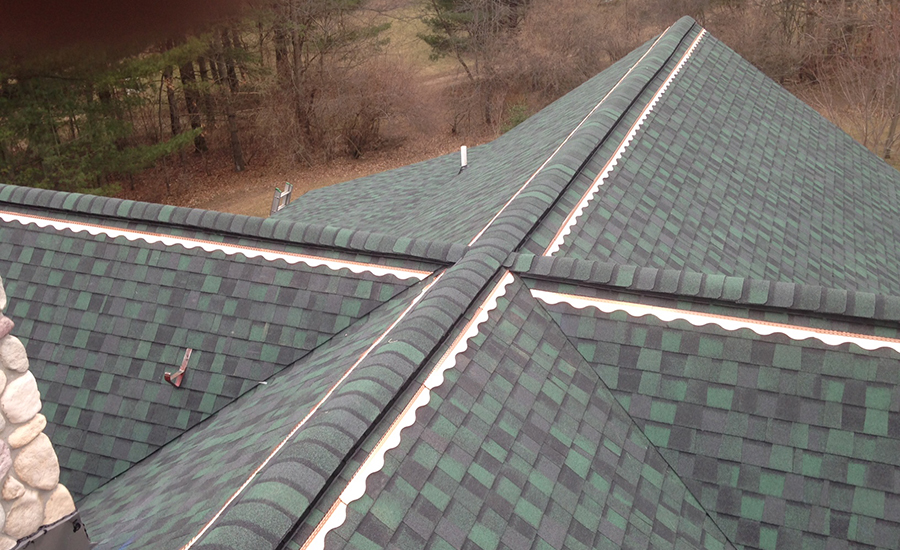
Credit: www.capitalforest.com
Aesthetic Appeal
The aesthetic appeal of zinc and copper roof strips plays a big role in choosing the right material. Both metals offer unique looks that can enhance a building’s style. Their color, finish, and how they age add character and charm over time. Understanding these differences helps in making a smart choice for roof design.
Color And Finish Options
Zinc roof strips come in soft, muted gray tones. These shades suit modern and minimalist designs well. Zinc can also have a matte or slightly textured finish, adding subtle depth without shine.
Copper roof strips start with a warm, rich reddish-brown color. This color adds a classic and elegant touch to buildings. Copper finishes are usually smooth and shiny at first, creating a bright, eye-catching look.
Patina Development Over Time
Zinc develops a natural patina that turns it into a blue-gray shade. This process protects the metal and gives it a rustic, weathered look. The patina forms evenly, keeping the roof looking neat and stylish for years.
Copper changes dramatically as it ages. It forms a greenish patina called verdigris, which many find beautiful. This green layer protects copper and gives roofs a historic, artistic feel. The color change takes longer but adds strong visual interest.
Environmental Impact
Choosing between zinc and copper roof strips means thinking about their environmental impact. Each metal affects the planet differently during production, use, and disposal. Understanding these effects helps make better choices for eco-friendly building.
Sustainability Of Materials
Zinc is abundant in the Earth’s crust. It requires less energy to mine and process than copper. This means zinc has a smaller carbon footprint during production.
Copper mining uses more energy and can cause more land disturbance. Copper is less common and takes longer to replenish naturally. Both metals last long on roofs, but zinc’s lower extraction impact makes it a greener option.
Recyclability
Both zinc and copper are highly recyclable. Recycling metals uses less energy than mining new ones. Zinc can be recycled without losing quality many times over.
Copper also recycles well and retains its properties. Recycling copper helps reduce waste and conserves natural resources. Using recycled metals reduces pollution and energy use in manufacturing. Choosing recyclable roofing materials supports a circular economy and lowers environmental harm.
Applications And Suitability
Zinc and copper roof strips serve different needs in construction. Each metal fits certain environments and styles. Choosing the right strip depends on the project type and weather conditions.
Both metals offer durability and protection. They help seal joints and edges on roofs. Their performance varies by location and roof design. Understanding their best uses guides a smart choice.
Best Use Cases For Zinc Strips
Zinc strips work well in areas with moderate rain and humidity. They resist corrosion and develop a protective layer. This layer stops rust and damage over time.
Zinc is ideal for modern roofs with sleek designs. It blends well with steel and aluminum materials. Builders use zinc strips on flat or gently sloped roofs.
These strips suit long-lasting projects. They require little maintenance and stay strong for decades. Zinc also performs well in urban areas with pollution.
Best Use Cases For Copper Strips
Copper strips excel in harsh weather and coastal regions. They resist salt air and strong winds effectively. Copper forms a green patina that protects the metal beneath.
These strips add a classic and elegant look. They fit well on historic buildings and luxury homes. Copper suits steep roofs and complex architectural shapes.
Copper strips last a long time and need minimal care. They handle temperature changes without cracking or warping. Copper is perfect for projects aiming for high durability.
Installation Tips
Installing zinc or copper roof strips requires care and skill. Proper handling and joining ensure a durable roof that lasts long. Follow these tips for smooth installation and better results.
Handling And Cutting
Wear gloves to protect your hands from sharp edges. Always lift strips carefully to avoid bending or warping. Use a straight edge and a sharp metal cutter for clean cuts. Measure twice before cutting to avoid mistakes. Cut strips slowly to keep edges smooth and even.
Joining Techniques
Overlap strips by at least 2 inches to prevent leaks. Use appropriate solder or sealant for a strong bond. Make sure joints are tight and secure without gaps. Use clamps to hold strips in place during joining. Check each joint for leaks after installation.
Frequently Asked Questions
What Is The Main Difference Between Zinc And Copper Roof Strips?
Zinc roof strips resist corrosion well, while copper offers a classic look and ages to a green patina.
Which Roof Strip Lasts Longer, Zinc Or Copper?
Copper roof strips generally last longer, often over 50 years, compared to zinc’s 40 to 50 years lifespan.
How Do Zinc And Copper Roof Strips Affect Roof Maintenance?
Zinc needs less maintenance due to self-healing properties; copper may require cleaning to keep its shine.
Are Zinc Or Copper Roof Strips More Cost-effective?
Zinc roof strips are usually cheaper upfront, while copper has a higher initial cost but longer durability.
Do Zinc And Copper Roof Strips Suit All Roof Types?
Both can fit many roof styles, but copper suits complex designs better due to its flexibility.
How Do Zinc And Copper Roof Strips React To Weather Changes?
Zinc resists rust and forms a protective layer; copper develops a green patina that protects it over time.
Conclusion
Choosing between zinc and copper roof strips depends on your needs. Zinc offers durability and low maintenance. Copper provides a classic look and long life. Both metals resist weather well and add value. Consider your budget and style preference carefully.
Either choice can protect your roof effectively. Think about how each metal fits your home design. Quality materials ensure a strong, lasting roof strip. Your decision shapes the roof’s look and strength. Simple choices lead to a better roof experience.