
When you need to make holes in wood or other materials, choosing the right tool can save you time and effort. You might have come across two popular options: the spade bit and the hole saw.
But which one is better for your project? Understanding their differences can help you get cleaner cuts, avoid frustration, and finish your work faster. You’ll discover exactly when to use a spade bit versus a hole saw—and how to pick the perfect one for your needs.
Keep reading, and you’ll never have to guess which tool to grab again.

Credit: www.kgcountry.com
Spade Bit Basics
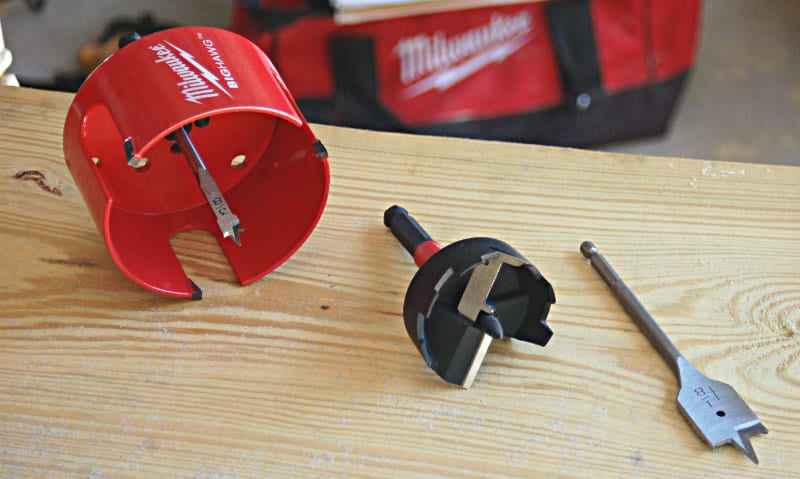
Spade bits are simple tools used for drilling large holes in wood. They have a flat blade with a sharp point in the center. This design helps the bit stay steady and cut quickly through wood. Spade bits are popular for their speed and ease of use.
These bits fit into most standard drills. They work well for rough carpentry and DIY projects. Understanding their design and uses helps you choose the right tool for your job.
Design And Features
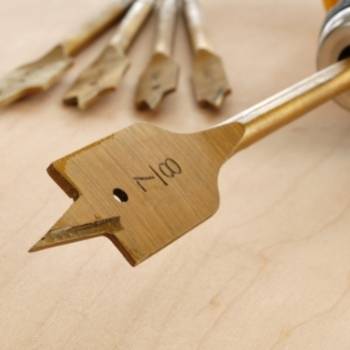
Spade bits have a flat, paddle-shaped blade made of steel. The center has a pointed tip to guide the bit. Two cutting edges on each side remove wood quickly. The shank is usually hexagonal or round for drill grip. This design allows fast drilling but can cause rough hole edges.
Common Uses
Spade bits are used mainly for drilling holes in wood. They are ideal for running wires or pipes through studs. They work well for framing, decking, and woodworking projects. Their fast cutting makes them good for rough work, not fine finishing.
Materials And Sizes
Most spade bits are made of high-speed steel or carbon steel. Some have coatings to resist wear and rust. Sizes range from 1/4 inch to 1 1/2 inches in diameter. This range covers most common hole sizes for home projects. Choose size based on the hole needed, not the drill.
Credit: www.protoolreviews.com
Hole Saw Essentials
Hole saws are important tools for making clean, round holes in wood, metal, and plastic. They provide a quick way to cut larger holes that other drill bits cannot handle. Understanding the basics of hole saws helps you choose the right tool for your project.
These tools come in different sizes and shapes. Knowing their parts and uses ensures better results and safer work.
Structure And Components
A hole saw has three main parts: the saw blade, the arbor, and the pilot bit. The saw blade is a ring with sharp teeth that cut the material. The arbor connects the saw blade to the drill. The pilot bit in the center guides the hole saw and keeps it steady during cutting.
Typical Applications
Hole saws cut holes for door hardware, pipes, and electrical wiring. They work well on wood, drywall, plastic, and thin metal sheets. These tools save time and effort when drilling large holes.
Available Variations
Hole saws come in bi-metal, carbide-tipped, and diamond-coated types. Bi-metal is common and good for wood and metal. Carbide-tipped saws last longer and cut harder materials. Diamond-coated saws handle tough surfaces like tile and stone.
Performance Comparison
Comparing the performance of spade bits and hole saws helps you choose the right tool. Each tool has strengths and weaknesses. Understanding these can save time and effort on your projects.
Cutting Speed
Spade bits cut through wood very fast. Their flat shape removes material quickly. Hole saws cut slower because they remove a ring of material. For large holes, hole saws take more time. For quick, rough holes, spade bits work best.
Hole Quality
Hole saws create cleaner and smoother holes. Their teeth cut carefully around the edge. Spade bits often leave rougher edges and splinters. For projects needing neat holes, hole saws are better. Spade bits suit rough work or hidden holes.
Durability
Hole saws last longer when used properly. Their design spreads wear over many teeth. Spade bits wear out faster, especially on hard wood. They can bend or chip more easily. Hole saws handle tough materials better over time.
Material Compatibility
Choosing the right tool depends on the material you want to drill. Both spade bits and hole saws serve specific purposes. Knowing their strengths helps you pick the best one. This section explains how each tool works with different materials.
Wood Types
Spade bits are great for soft and hardwoods. They cut fast and make clean holes. Hole saws work well for thicker wood, like plywood and beams. They create larger holes without splintering. Both tools handle wood, but size and finish differ.
Metal Surfaces
Spade bits struggle with metal. They can dull quickly and bend. Hole saws with carbide tips cut metal better. They make smooth, round holes in thin metal sheets. For thick metal, use specialized hole saws made for steel.
Plastic And Composites
Spade bits can crack thin plastic materials. Hole saws cut plastic cleanly without damage. Composites need gentle drilling to avoid chipping. Hole saws reduce stress on these materials. Choose the tool that keeps your work neat and safe.
Ease Of Use
Ease of use matters a lot when choosing between a spade bit and a hole saw. Both tools help make holes in wood, but they differ in how simple they are to handle and set up. This section breaks down their ease of use into setup, handling, and maintenance.
Setup And Installation
Spade bits are quick to install. They fit right into the drill chuck. No extra parts needed. Just tighten the chuck, and you are ready. Hole saws need a bit more work. You must attach the hole saw to an arbor. The arbor then fits into the drill. It takes a little more time but is still easy.
Handling And Control
Spade bits are light and easy to control. They make fast, rough cuts. Good for quick jobs. Hole saws are heavier. They cut cleaner holes but need steady hands. You must keep the drill steady to avoid wobbling. Both tools need some practice for best control.
Maintenance Tips
Spade bits need sharpening often. Dull bits slow down work and burn wood. Use a file to keep edges sharp. Hole saws need less sharpening. Clean out wood chips after use. Check the teeth for damage. Replace the hole saw if teeth are broken.
Cost And Value
Choosing between a spade bit and a hole saw involves more than just performance. Cost and value play a big role. Understanding the expenses helps you pick the right tool for your needs.
Initial Investment
Spade bits usually cost less upfront. They are simple tools with a basic design. Hole saws tend to be pricier due to their complex structure. The hole saw kit often includes several sizes. This makes it more versatile but also more expensive to buy.
Long-term Expenses
Spade bits wear out faster, especially with heavy use. You may need to replace them often. Hole saws last longer on tough materials. They keep their sharpness better over time. This can save money in the long run.
Replacement Parts
Spade bits are easy to find and cheap to replace. Hole saw parts, like arbors and pilots, can cost more. Some hole saws require specific parts that are harder to buy. Consider availability before choosing your tool.
Safety Considerations
Safety is a top priority when using spade bits or hole saws. Both tools can cause injuries if used carelessly. Understanding safety measures helps prevent accidents and keeps work smooth. Knowing the risks and taking steps to reduce them makes a big difference.
Proper Protective Gear
Wear safety goggles to protect your eyes from flying debris. Use gloves to shield your hands from sharp edges. Hearing protection reduces noise impact. A dust mask helps avoid breathing dust. Dress in close-fitting clothes to avoid catching on tools.
Common Hazards
Spade bits can cause wood splinters to fly off. Hole saws may bind and cause sudden tool movement. Both tools can create sharp edges on cut material. Loose bits can break and become dangerous projectiles. Electrical shock risk exists if power tools are not handled properly.
Safe Operating Practices
Secure the workpiece firmly before drilling. Use the correct speed for the material. Start drilling slowly to maintain control. Keep both hands on the drill for stability. Avoid forcing the bit; let it cut naturally. Unplug tools before changing bits or making adjustments.
Credit: www.empireabrasives.com
Choosing The Right Tool
Choosing the right tool for your project is important. It saves time and effort. Picking between a spade bit and a hole saw depends on several factors. Knowing these can help you work better and safer.
Project Requirements
Consider the material you will drill into. Spade bits work well on wood and soft materials. Hole saws cut clean holes in wood, metal, and plastic. Think about the hole size you need. Spade bits are good for smaller holes. Hole saws can make bigger and deeper holes. Also, check if you need a smooth finish or not.
Tool Compatibility
Check your drill before choosing the tool. Spade bits fit most standard drills easily. Hole saws often need an arbor to attach. Make sure your drill can handle the size and power needed. Using the wrong tool can damage your drill or the bit. Match the tool with your drill’s speed and power.
User Skill Level
Spade bits are simple to use for beginners. They cut quickly but can cause splintering. Hole saws need steady control and some practice. They give cleaner results but take more time. Pick a tool you feel comfortable using. Practice on scrap material if you are unsure.
Frequently Asked Questions
What Is The Main Difference Between Spade Bit And Hole Saw?
Spade bits cut fast with a flat blade; hole saws create cleaner, rounder holes.
Which Tool Is Better For Drilling Large Holes In Wood?
Hole saws work best for large, clean holes; spade bits suit smaller, rough cuts.
Can A Spade Bit Be Used On Metal Or Plastic?
Spade bits are mainly for wood; metal or plastic needs special drill bits.
How Do Spade Bits And Hole Saws Affect Drilling Speed?
Spade bits drill faster but less clean; hole saws are slower but neater.
Which Tool Produces Less Splintering When Drilling Wood?
Hole saws cause less splintering and make smooth edges compared to spade bits.
Are Hole Saws Or Spade Bits Easier To Control During Drilling?
Hole saws offer better control for precise holes; spade bits can be harder to steady.
Conclusion
Both spade bits and hole saws cut holes well. Spade bits work fast in wood but make rough edges. Hole saws create cleaner, larger holes and can cut through metal or plastic. Choose the tool that fits your project and material.
Knowing their differences helps you save time and effort. Simple tools, clear choices.