
When it comes to mixing liquids or solids in your processes, choosing the right tool can make all the difference. You might have heard the terms “agitator” and “impeller,” but do you really know how they differ and which one suits your needs best?
Understanding these two can save you time, money, and frustration while improving your results. You’ll discover the key differences between agitators and impellers, helping you make the smartest choice for your project. Keep reading—you won’t want to miss the insights that could transform how you work.
Basic Functions
Understanding the basic functions of agitators and impellers helps in choosing the right equipment. Both are essential in mixing processes but serve different roles. Their design and operation impact how fluids and materials combine.
Role Of An Agitator
An agitator stirs or mixes fluids in a tank or vessel. It creates motion to blend ingredients evenly. Agitators help keep particles suspended and prevent settling. They improve heat transfer and chemical reactions. Agitators often work in large tanks with slow speeds.
Role Of An Impeller
An impeller is a rotating part inside the agitator. It moves fluid by pushing or pulling it. Impellers create flow patterns that mix liquids quickly. They can generate high speeds and strong currents. Impellers are designed for specific tasks like blending or dispersing.
Design And Structure
The design and structure of agitators and impellers differ based on their roles in mixing processes. Each has unique components that affect how they move fluids and solids. Understanding these parts helps in choosing the right tool for specific applications.
Agitator Components
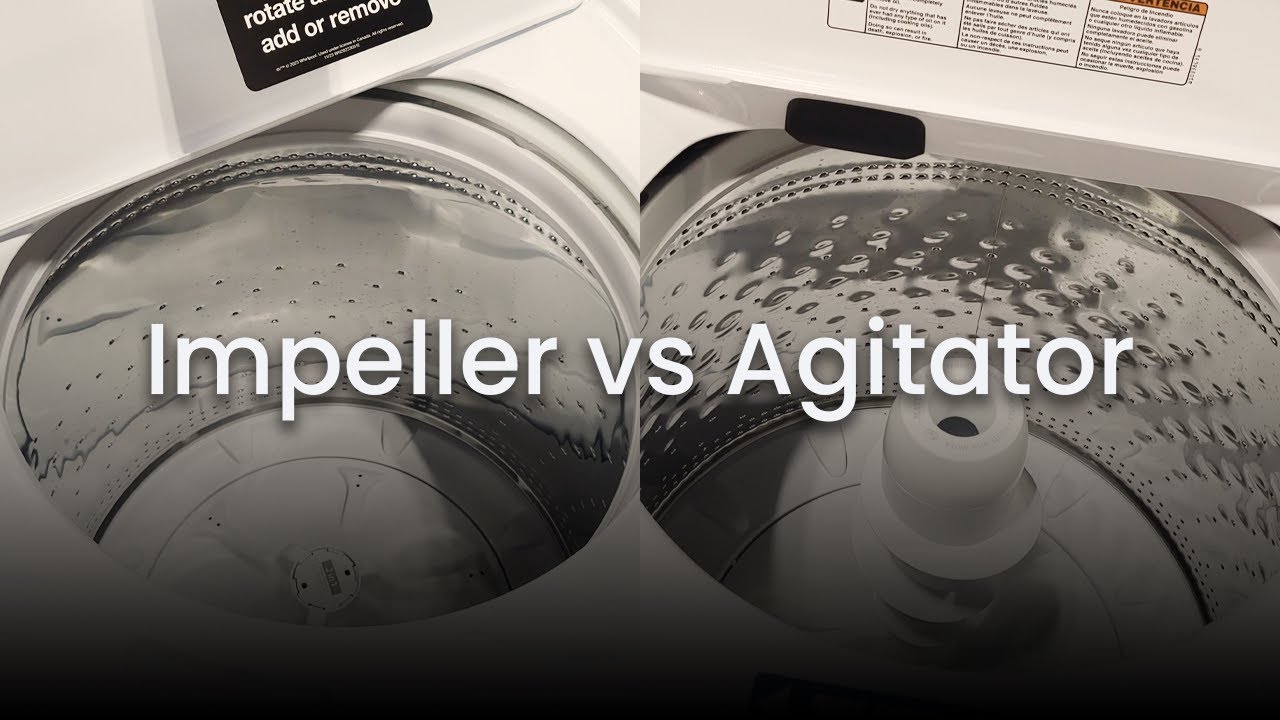
An agitator usually consists of a motor, shaft, and blades. The motor powers the rotation of the shaft. The shaft extends into the tank or vessel holding the fluid. Blades attach to the shaft and create movement within the fluid. The shape and size of blades vary depending on the mixing needs. Some agitators have baffles to prevent spinning of the fluid and improve mixing.
Impeller Components
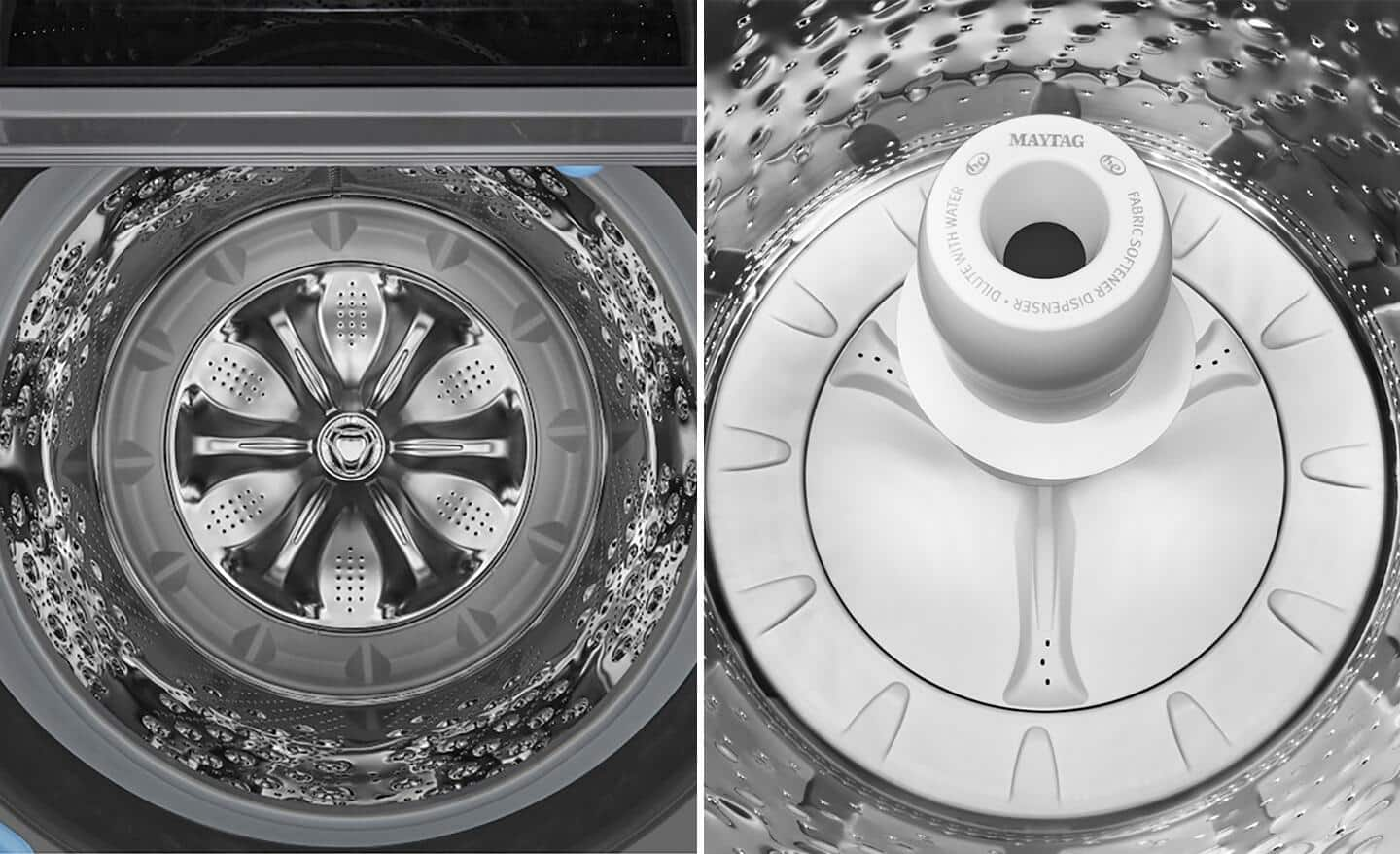
An impeller includes a hub and several blades or vanes. The hub connects directly to a motor or shaft. Blades are angled to push fluid outward during rotation. This action creates flow and pressure in pumps or mixers. Impeller blades can be flat, curved, or pitched. The design affects flow type, such as axial or radial flow. Impellers are often smaller than agitators and fit inside pumps or tanks.
Operating Mechanisms
Understanding how agitators and impellers operate helps to choose the right tool. Both are used to move liquids or mix substances. Their mechanisms affect mixing efficiency and application suitability.
How Agitators Work
Agitators use a rotating shaft with blades or paddles. The blades push the liquid, creating flow patterns. This movement stirs the liquid to mix solids, liquids, or gases. Agitators often work in tanks or vessels. They produce gentle to strong stirring based on blade design and speed. The goal is to keep materials evenly distributed.
How Impellers Work
Impellers are inside pumps or mixers. They spin to push liquid outward by centrifugal force. This action increases liquid velocity and pressure. Impellers create a strong flow that moves liquid quickly. They help in transferring fluids or mixing at high speed. Different shapes and sizes adjust flow type and intensity. Impellers focus on fast, efficient liquid movement.
Credit: www.homedepot.com
Applications In Industry
Agitators and impellers play key roles in many industries. They help mix, blend, and move fluids or solids in tanks and vessels. Each device suits different tasks based on its design and function.
Choosing the right tool improves product quality and process efficiency. Both agitators and impellers find wide applications in manufacturing, chemical processing, food production, and more.
Where Agitators Are Used
Agitators are common in industries needing thorough mixing. Chemical plants use agitators to blend reactants evenly. They help maintain uniform temperature and concentration in tanks.
In food production, agitators mix ingredients like dough or sauces. They ensure smooth textures and consistent flavors. Pharmaceutical companies use agitators to blend powders and liquids safely.
Wastewater treatment plants rely on agitators to keep solids suspended. This prevents settling and aids in biological treatment. Agitators also appear in paint manufacturing to mix pigments and resins.
Where Impellers Are Used
Impellers mainly move fluids and create flow in pumps and mixers. They are essential in industries requiring fast liquid circulation. Water treatment plants use impellers to pump water through filters.
In oil and gas, impellers help transport crude oil and other fluids. They maintain steady flow in pipelines and processing units. Impellers also appear in food industries for stirring liquids like soups or juices.
Chemical industries use impellers to mix liquids gently or vigorously. Impellers come in various shapes to suit different fluid types. Their design controls flow pattern and mixing intensity precisely.
Performance Factors
Performance factors play a crucial role in choosing between an agitator and an impeller. These elements affect how well the equipment works for specific mixing needs. Understanding these factors helps in selecting the right tool for better results.
Mixing Efficiency
Mixing efficiency measures how quickly and evenly the materials blend. Agitators often provide strong, turbulent mixing. They work well in large tanks with viscous fluids. Impellers create smooth, controlled flow patterns. They suit low to medium viscosity liquids. The choice depends on the type of mixing required. Efficient mixing reduces processing time and improves product quality.
Energy Consumption
Energy consumption shows how much power the device uses. Agitators generally consume more energy due to their forceful action. Impellers usually need less energy as they move fluids gently. Lower energy use means cost savings and less heat generation. Proper selection helps balance energy use and performance. This leads to more sustainable and economical mixing operations.
Selection Criteria
Choosing the right mixing tool is key for good results. Agitators and impellers serve different roles in mixing. Knowing how to select between them helps improve process efficiency and product quality.
Selection depends on many factors. These include the type of liquid, mixing speed, and desired effect. Understanding these criteria guides the right choice.
Choosing Between Agitator And Impeller
Agitators work well for gentle mixing and blending. They move fluids in a circular or vertical pattern. This helps mix liquids without creating strong currents.
Impellers create stronger flow and shear forces. They are ideal for breaking up solids or mixing thick liquids. Impellers push fluid outward to speed up mixing.
Select agitators for delicate or low-viscosity liquids. Choose impellers for high-viscosity fluids or fast mixing needs. The choice depends on how fast and intense mixing must be.
Considerations For Specific Processes
Viscosity is a top factor. Thick liquids need impellers to move and blend effectively. Thin liquids can mix well with agitators.
Tank size and shape matter. Large tanks may require stronger impellers for full circulation. Small tanks often suit agitators better.
Mixing time also guides selection. Fast mixing favors impellers. Slow, steady mixing fits agitators.
Energy consumption affects cost and efficiency. Agitators usually use less energy than impellers. Choose based on budget and process needs.
Maintenance And Durability
Maintenance and durability are key factors in choosing between an agitator and an impeller. Both tools face wear and tear during use. Proper care helps extend their life and keeps them working well. Understanding their maintenance needs can save time and money.
Agitator Maintenance
Agitators need regular checks for loose parts and corrosion. Cleaning the blades after use prevents buildup and damage. Lubricating moving parts reduces friction and wear. Tightening bolts and connections keeps the agitator stable. Replacing worn blades improves mixing efficiency.
Impeller Maintenance
Impellers require inspection for cracks or bending. Removing debris from the blades avoids imbalance and noise. Checking seals helps stop leaks and protects the motor. Cleaning ensures smooth rotation and better performance. Timely replacement of damaged parts prevents bigger issues.
Credit: www.youtube.com

Credit: www.angi.com
Frequently Asked Questions
What Is The Main Difference Between Agitators And Impellers?
Agitators mix fluids by stirring, while impellers push fluid flow inside tanks or pipes.
Which Device Is Better For Mixing Thick Liquids?
Agitators work best for thick liquids as they create strong, uniform stirring.
Can Impellers Be Used For Chemical Processing?
Yes, impellers efficiently move chemicals, ensuring consistent flow and mixing in reactors.
How Do Agitators Improve Heat Transfer In Tanks?
Agitators circulate fluids, helping heat spread evenly and faster throughout the tank.
Are Impellers Suitable For Low-viscosity Fluids?
Impellers work well with low-viscosity fluids by creating fast, smooth flow patterns.
What Factors Affect The Choice Between Agitators And Impellers?
Factors include fluid type, mixing speed, tank size, and process goals.
Conclusion
Choosing between an agitator and an impeller depends on your mixing needs. Agitators work best for gentle blending and keeping particles suspended. Impellers create strong flow and fast mixing in liquids. Each has unique shapes and uses in industries like food, chemicals, and water treatment.
Think about the liquid type, mixing speed, and desired flow pattern. Picking the right tool saves time and energy. Both help achieve smooth, even mixtures. Understanding their differences makes your work easier and results better. Simple choices lead to effective mixing every time.