
Are you wondering whether a gas or electric stove will cost you more each month? Choosing the right stove isn’t just about how it looks or cooks your food—it directly affects your monthly bills.
Imagine saving money without changing your cooking habits. You’ll discover the real costs behind gas and electric stoves, helping you make a smart choice for your kitchen and your wallet. Keep reading to find out which option fits your budget best.

Credit: homeguide.com
Monthly Cost Breakdown
Understanding the monthly costs of gas and electric stoves helps plan your budget. This breakdown shows typical expenses for each type. It covers fuel or electricity use and other related fees. Knowing these details guides smarter choices for your kitchen.
Gas Stove Expenses
Gas stoves use natural gas or propane. Your monthly bill depends on the fuel rate and usage. On average, gas stoves cost less per cooking hour. The price may vary by location and supplier. There is also a small fee for gas meter maintenance. Some homes have a fixed monthly gas service charge. These fees add up but often stay lower than electric costs. Cooking habits can affect the total gas use. Longer cooking times or higher heat increase expenses.
Electric Stove Expenses
Electric stoves run on electricity from your utility provider. Monthly costs depend on local electricity rates and stove usage. Electric stoves usually consume more energy during cooking. The power needed to heat the coils or glass tops is high. Monthly bills also include delivery and service fees. Rates may change with seasons or peak hours. Using energy-saving cooking techniques can reduce electricity use. Overall, electric stove costs tend to be higher than gas, but vary by usage and rates.
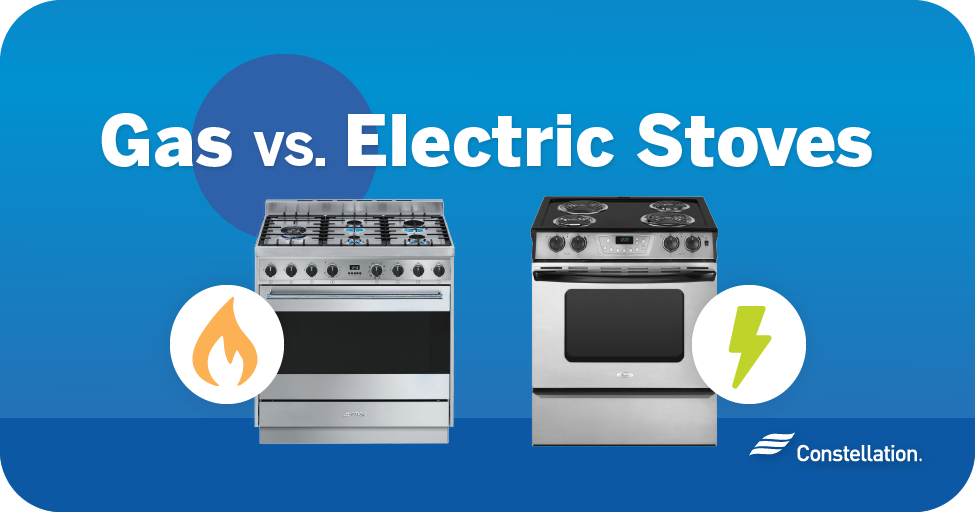
Credit: blog.constellation.com
Factors Influencing Costs
The monthly cost of using a gas or electric stove depends on many factors. Understanding these factors helps in choosing the right stove for your budget. Costs can vary based on energy prices, how often you cook, and the stove’s efficiency.
Energy Rates Variations
Energy rates change by location and supplier. Gas prices may be cheaper in some areas but higher in others. Electric rates also vary and can increase during peak hours. Watching local energy rates helps estimate your monthly cost accurately.
Usage Patterns
How often you cook affects your stove’s monthly cost. Frequent cooking uses more energy. Cooking long meals or using high heat raises bills. Small, quick meals use less energy and cost less. Your cooking habits play a big role in cost.
Appliance Efficiency
Newer stoves often use energy more efficiently. Efficient stoves use less gas or electricity to cook food. Older or poorly maintained stoves waste energy and cost more. Choosing an efficient stove lowers your monthly energy bills.
Energy Consumption Comparison
Energy consumption plays a key role in deciding monthly costs for stoves. Understanding how gas and electric stoves use energy helps control your bills. Comparing their consumption shows clear differences in efficiency and expense.
Gas Stove Consumption
Gas stoves use natural gas or propane for cooking. They burn fuel directly, producing instant heat. This method uses energy only when the flame is on. Gas stoves usually consume less energy for boiling and frying.
Natural gas prices vary but tend to be lower than electricity. The stove’s efficiency depends on the burner and flame control. Heat is lost around the pan, but gas stoves still save energy by heating fast.
Electric Stove Consumption
Electric stoves use electricity to heat coils or glass tops. These stoves take longer to reach the right temperature. Electricity costs more in many areas than natural gas. Electric stoves keep heating even after being turned off.
They have less heat loss compared to gas stoves. Electric stoves use steady, controlled heat, which suits slow cooking. The total energy used depends on cooking habits and stove type.

Credit: www.angi.com
Environmental Impact And Savings
The choice between gas and electric stoves affects the environment and your budget. Both types have different impacts on carbon emissions and energy use. Understanding these differences helps you save money and reduce your carbon footprint. This section explains how each stove type affects the planet and your long-term costs.
Carbon Footprint Differences
Gas stoves burn natural gas, releasing carbon dioxide into the air. This adds to greenhouse gases and climate change. Electric stoves use electricity, which may come from clean or fossil fuel sources. The carbon footprint depends on how the electricity is made. In areas with renewable energy, electric stoves cause less pollution. In places relying on coal or gas power plants, electric stoves might have a bigger footprint.
Gas stoves produce emissions directly in your home. This can affect indoor air quality. Electric stoves do not release combustion gases inside. This makes electric stoves cleaner for your kitchen environment. Choosing an electric stove can lower your home’s overall carbon footprint, especially with green energy.
Long-term Financial Benefits
Electric stoves often cost less to maintain than gas ones. They have fewer parts that can break down. Electric models are usually more energy-efficient in heating food. This can lower your monthly energy bills over time.
Gas stoves may have higher upfront costs but can be cheaper to run if gas prices are low. Your savings depend on local gas and electricity rates. Investing in an electric stove may pay off more in areas with rising gas prices or cleaner power grids.
Both stove types have pros and cons. Consider your local energy costs and environmental goals to choose wisely.
Maintenance And Repair Costs
Maintenance and repair costs affect the overall monthly expense of using a stove. Regular upkeep keeps stoves working safely and efficiently. Both gas and electric stoves need care, but the costs and tasks can differ. Understanding these differences helps manage your kitchen budget better.
Gas Stove Maintenance
Gas stoves need frequent checks for leaks and burner issues. Cleaning the burners prevents clogging and uneven flames. Annual inspections by a professional ensure safety and proper function. Repair costs can rise if gas lines or ignition parts fail. Simple cleaning is low cost but fixing gas parts may be pricey.
Electric Stove Maintenance
Electric stoves require less frequent repairs than gas stoves. Keeping the coil or glass top clean avoids damage and improves heating. Checking the wiring and controls yearly helps spot problems early. Repairs often involve replacing heating elements, which is usually affordable. Overall, electric stove maintenance tends to cost less monthly than gas stove repairs.
Choosing The Right Stove For Savings
Choosing the right stove can help you save money each month. The monthly cost depends on several factors. Understanding these can guide you to the best choice for your home and budget.
Household Needs
Think about the size of your household. Larger families cook more, using more energy. A gas stove may be cheaper for heavy use. Smaller households might save with electric models. Your choice should fit how much cooking you do daily.
Local Energy Prices
Energy prices vary by location. Gas may cost less in some areas. Electricity might be cheaper in others. Check local rates before deciding. Your monthly bill depends on these prices. Choose the stove that uses the cheaper energy source.
Cooking Habits
Consider how you cook. Gas stoves heat instantly and offer more control. Electric stoves keep heat steady and are easier to clean. If you cook quickly and often, gas may save you money. For slow cooking or baking, electric might be better.
Frequently Asked Questions
How Much Does A Gas Stove Cost Monthly To Operate?
A gas stove usually costs less monthly than electric stoves, depending on gas prices and usage.
Is An Electric Stove Cheaper To Run Than A Gas Stove?
Electric stoves can be cheaper if electricity rates are low and cooking time is short.
What Factors Affect Monthly Stove Operating Costs?
Fuel price, stove efficiency, cooking habits, and stove size all affect monthly costs.
Does Stove Type Impact Home Energy Bills Significantly?
Yes, stove type can change energy bills since gas and electricity prices vary.
How Can I Reduce My Stove’s Monthly Energy Cost?
Use the right burner size, cook with lids, and avoid long heating times.
Which Stove Heats Food Faster, Gas Or Electric?
Gas stoves heat food faster due to direct flame and instant temperature control.
Conclusion
Choosing between gas and electric stoves depends on your budget and usage. Gas stoves often cost less each month but need a gas connection. Electric stoves may have higher monthly bills but offer easy control and safety. Think about your cooking habits and local energy prices.
Saving money is possible with either option if used wisely. Small changes, like turning off burners early, can lower costs. Your choice affects both your wallet and cooking experience. Decide what fits best for your home and lifestyle.