
Are you trying to decide between Fiberock and Durock for your next project? Choosing the right building material can make all the difference in durability, cost, and ease of installation.
But with so many options, it’s easy to feel overwhelmed. This guide will break down the key differences between Fiberock and Durock, helping you understand which one fits your needs best. By the end, you’ll have the confidence to make the smart choice that saves you time and money.
Keep reading to discover which material truly stands out.

Credit: bertvis.com
Material Composition
Understanding the material composition of Fiberock and Durock helps in choosing the right product. Both are cement boards but differ in their core ingredients and reinforcement methods. These differences affect durability, weight, and installation ease.
Fiberock Ingredients
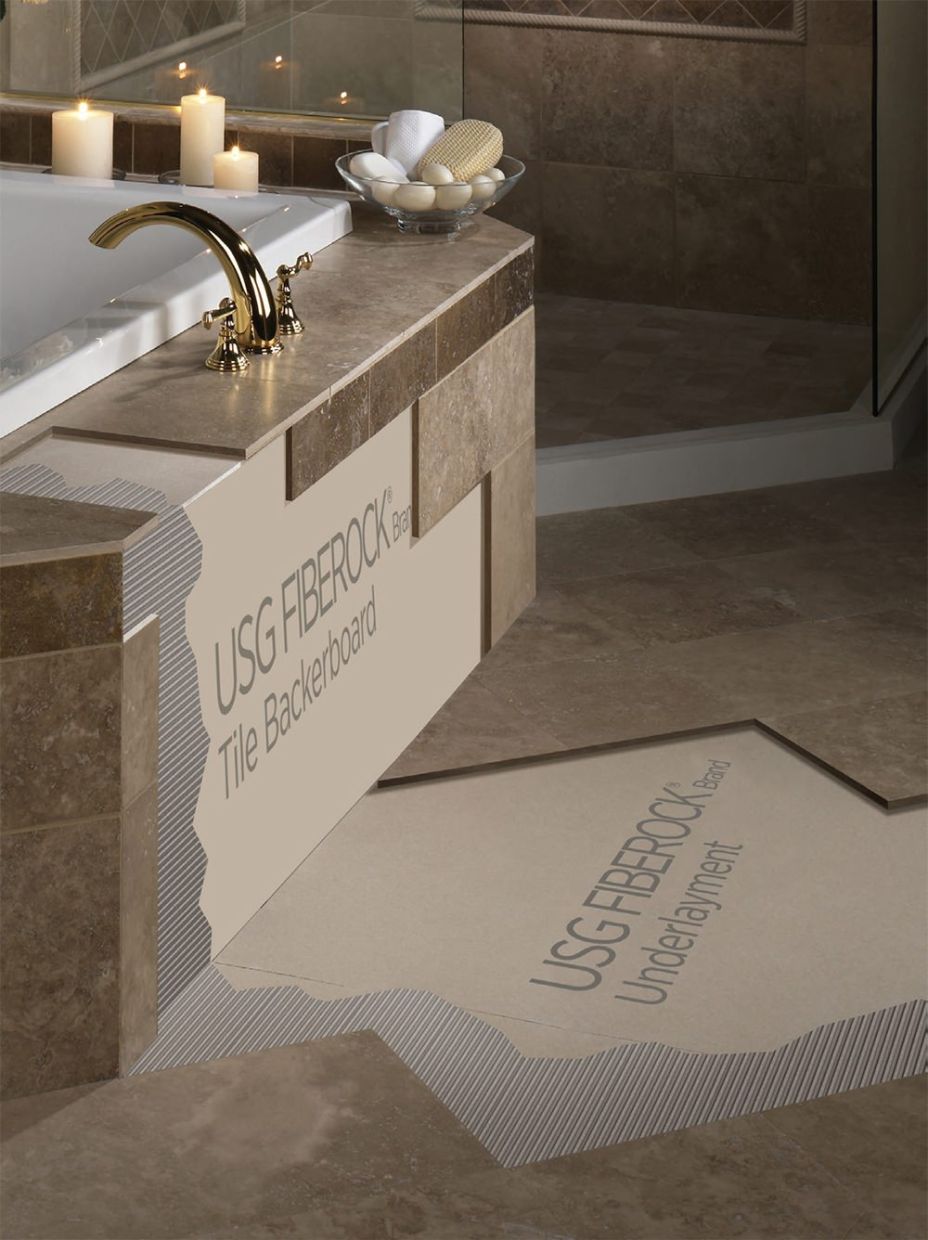
Fiberock boards have a gypsum core mixed with fiberglass strands. The fiberglass adds strength and resists cracking. The surface is coated with a water-resistant paper. This makes Fiberock lighter and easier to cut than some cement boards.
Durock Ingredients
Durock is made from Portland cement combined with sand and cellulose fibers. The mix creates a dense, strong core that resists moisture and impact. Its surface features a fiberglass mesh embedded into the cement. Durock boards are heavier but provide excellent durability for tough environments.
Strength And Durability
Strength and durability are key factors when choosing building materials. Both Fiberock and Durock offer solid options. Understanding their differences helps in picking the right board for your project.
Impact Resistance
Fiberock is made with fiberglass mesh, making it tough against dents and cracks. It handles light impacts well but can break under heavy force. Durock has a cement core, giving it strong resistance to impacts. It stands up better to rough handling and heavy use. For areas that see a lot of wear, Durock offers more protection.
Water Resistance
Fiberock resists moisture better than standard drywall. It is good for areas with occasional dampness. Durock is highly water-resistant due to its cement base. It performs well in wet locations like bathrooms and basements. Durock does not swell or soften when wet. This makes it ideal for places prone to water exposure.
Installation Process
The installation process plays a key role in choosing between Fiberock and Durock. Both materials serve as excellent backer boards for tile and stone projects. Their installation steps vary slightly, affecting labor time and effort. Understanding these differences helps make the right choice for your project.
Ease Of Handling
Fiberock is lighter than Durock, making it easier to carry. Its smooth surface feels softer to the touch. This makes positioning panels simpler during installation. Durock has a denser, heavier feel. It requires more strength to lift and place. Handling Durock can be tiring for long projects.
Cutting And Fastening
Cutting Fiberock is clean and quick. Standard drywall tools work well. It produces less dust than Durock. Fastening Fiberock requires fewer screws due to its strength. Durock needs carbide-tipped blades for cutting. It creates more dust and debris. Fastening Durock demands more screws for secure attachment.
Moisture And Mold Resistance
Moisture and mold resistance play a big role in choosing the right building material. Wet areas in homes can cause mold growth and damage walls. Choosing materials that resist moisture helps keep spaces safe and strong. Fiberock and Durock offer different levels of protection against water and mold. Understanding their features helps make the best choice for your project.
Performance In Wet Areas
Fiberock has a special design to resist moisture. It works well in bathrooms and kitchens. It does not absorb water easily. This helps prevent wall damage and warping. Durock is made with cement and glass fibers. It is very strong against water. It can handle more moisture than Fiberock. Durock is often used in showers and wet rooms. Both materials help protect walls from water harm.
Mold Prevention Capabilities
Fiberock contains additives that slow mold growth. It creates a less friendly space for mold spores. This makes it safer in damp environments. Durock’s cement core does not feed mold. It resists mold better than many other boards. Its surface also stops mold from growing. Using either Fiberock or Durock reduces mold risk. This keeps indoor air cleaner and healthier.
Cost Comparison
Cost plays a big role in choosing between Fiberock and Durock. Both materials have different price points. Understanding these helps pick the best option for your project.
Material Pricing
Fiberock typically costs less per sheet than Durock. It is made from gypsum and cellulose fibers, which lowers production costs. Durock is a cement board. It uses cement and fiberglass mesh, making it pricier.
Prices vary by location and supplier. Fiberock suits budgets that need a cheaper option. Durock fits projects that can spend more on durable materials.
Long-term Value
Durock offers strong water and mold resistance. This reduces repair and replacement costs over time. Fiberock resists mold but is less durable in wet areas.
Choosing Durock can save money on future fixes. Fiberock may need replacing sooner in harsh conditions. Consider the environment where you install the board to get better value.
Credit: www.masterwholesale.com
Environmental Impact
Environmental impact is a key factor in choosing building materials today. Both Fiberock and Durock have different effects on nature. Understanding these effects helps make smarter choices for eco-friendly construction.
Sustainability Factors
Fiberock uses recycled paper and minerals in its core. This reduces the need for new raw materials. It also lowers the energy needed for production. Durock contains cement and aggregates, which require more energy to produce. Cement manufacturing releases more carbon dioxide. Fiberock’s lighter weight means less fuel for transport. This reduces its carbon footprint compared to Durock.
Recyclability
Fiberock panels can be recycled into new products easily. This helps reduce landfill waste and saves resources. Durock is harder to recycle because of its cement content. It often ends up in landfills or crushed for fill. Fiberock’s recyclable nature makes it a better choice for green building projects.
Applications And Suitability
Choosing the right cement board depends on the project type and environment. Both Fiberock and Durock offer strong options but suit different needs. Knowing their applications helps pick the best fit for durability and performance. This section explains where each board works best.
Best Use Cases For Fiberock
Fiberock is ideal for indoor projects needing moisture resistance. It works well in bathrooms and kitchens. This board also suits walls and ceilings in dry or damp areas. Fiberock is easy to cut and handle, saving time during installation. It supports tile and paint finishes with good adhesion.
Fiberock performs well in residential and light commercial spaces. It resists mold, making it safer for humid rooms. This board also absorbs sound, improving room quietness. Use Fiberock where lightweight material is preferred but strength is still needed.
Best Use Cases For Durock
Durock is designed for heavy-duty applications and high moisture zones. It stands strong in showers, tubs, and exterior walls. This board handles direct water exposure better than Fiberock. Its dense core provides excellent durability for demanding environments.
Durock is a top choice for tile backing in wet areas. It resists cracking under stress, protecting tiles and grout. Use Durock for commercial projects or outdoor installations needing long-lasting material. It also works well in fireplaces and other heat-exposed spots.
User Reviews And Feedback
User reviews and feedback provide real insights into Fiberock and Durock performance. These opinions come from both experts and everyday users. They reveal strengths and weaknesses of each product.
Understanding these views helps make better choices. It shows what to expect in actual use. Below are detailed thoughts from professionals and DIY users.
Professional Opinions
Contractors often praise Durock for its durability and water resistance. Many say it holds up well in wet areas like bathrooms. They find it easier to cut and install compared to Fiberock.
Fiberock receives positive notes for its smooth surface and fire resistance. Some pros prefer it for walls needing extra fire protection. It also tends to cause less dust during installation.
Overall, professionals value Durock for tough conditions. Fiberock scores points in specific safety features and cleaner handling.
Diy Experiences
DIY users report that Durock can be heavier and harder to manage. Some find cutting it tricky without proper tools. Still, they like its strong finish in showers and kitchens.
Fiberock appeals to many DIYers for its lighter weight and easier cutting. People mention it causes less mess during work. It fits well in home projects focused on safety and neatness.
Many DIY reviewers agree both boards work well. Choice depends on the project type and user skill level.

Credit: schillings.com
Frequently Asked Questions
What Is The Main Difference Between Fiberock And Durock?
Fiberock is made with gypsum and fiberglass, while Durock is cement-based.
Which Board Is Better For Wet Areas, Fiberock Or Durock?
Durock resists water better, making it more suitable for wet areas like showers.
How Does Fiberock Compare To Durock In Fire Resistance?
Both offer fire resistance, but Fiberock has slightly higher fire ratings.
Can Fiberock And Durock Be Used Interchangeably?
They serve different needs; choose based on moisture exposure and installation requirements.
What Are The Installation Differences Between Fiberock And Durock?
Fiberock is lighter and easier to cut; Durock is heavier and harder to work with.
Which Board Is More Cost-effective For Home Projects?
Fiberock is usually less expensive but may require extra waterproofing in damp areas.
Conclusion
Fiberock and Durock both serve well in construction projects. Fiberock offers lighter weight and easier cutting. Durock stands out with strong water resistance. Choosing depends on your project needs and budget. Both materials improve wall strength and durability. Understanding their features helps make the right choice.
Consider where and how you will use them. This way, your project stays strong and lasts longer.