
Choosing the right recessed lighting can change the entire look and feel of your space. When deciding between 4 inch vs 6 inch recessed lighting, you might wonder which size fits your needs best.
The size affects everything from brightness to style and even energy use. By the time you finish reading, you’ll know exactly which option works for your room, your budget, and your lighting goals. Ready to discover what makes these two sizes so different—and which one is right for you?
Keep reading.
Credit: blog.recessedlighting.com
Key Differences
Choosing between 4 inch and 6 inch recessed lighting depends on several factors. These two sizes serve different purposes. Understanding their key differences helps make the right choice for your space.
Size Comparison
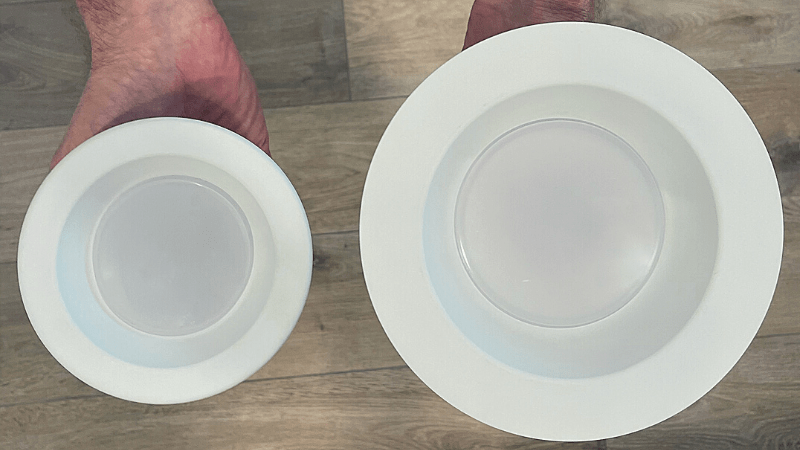
4 inch lights are smaller and fit in tight spaces. They suit rooms with low ceilings. 6 inch lights are larger and cover more area. They work well in bigger rooms with higher ceilings. Size affects the look and feel of the room.
Light Output
6 inch lights produce brighter and wider light. They are ideal for general lighting. 4 inch lights give softer and focused light. They work better for accent lighting or small areas. Light output depends on bulb type and wattage too.
Energy Efficiency
Both sizes can use LED bulbs, saving energy. Smaller 4 inch lights often use less power. Bigger 6 inch lights may consume more energy. Choosing LED bulbs improves efficiency for both types.
Installation Requirements
4 inch lights need less ceiling space for installation. They are easier to place in tight spots. 6 inch lights require more space and careful planning. Installation may take longer and cost more for larger lights.
Credit: www.lightopia.com
Room Suitability
Choosing the right size for recessed lighting depends on the room size. The size of the light affects how much area it can cover and how bright the room will be. Smaller lights fit better in cozy spaces, while bigger lights suit larger rooms. Understanding which size works best helps create a balanced and comfortable lighting design.
Small Spaces
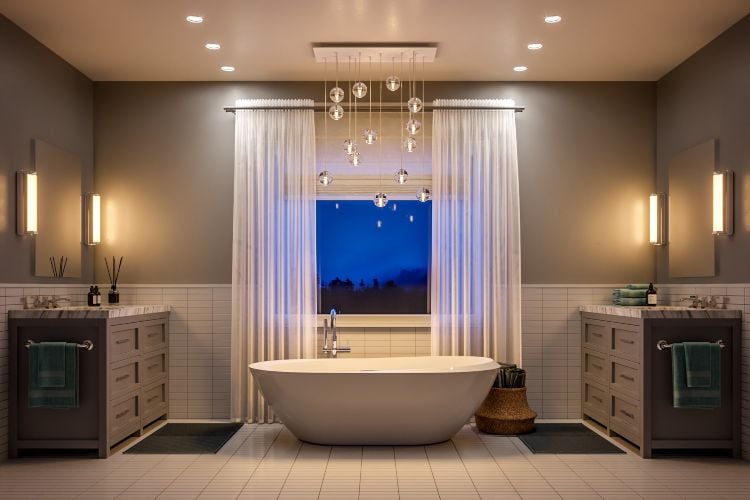
In small rooms, 4 inch recessed lights work best. They offer focused light without overwhelming the space. These lights save ceiling space and keep the room feeling open. Use several 4 inch lights for even brightness. They fit well in bathrooms, closets, and small kitchens.
Medium Rooms
Medium rooms benefit from a mix of 4 inch and 6 inch lights. Six inch lights cover more area with fewer fixtures. Four inch lights add detail lighting in specific spots. Choose 6 inch lights in living rooms or dining areas for a soft, even glow. Use 4 inch lights for accent lighting or task areas.
Large Areas
Large spaces need 6 inch recessed lights to light the area well. They provide broader light spread and reduce the number of fixtures needed. Use them in big living rooms, open kitchens, or basements. For extra brightness or style, combine 6 inch lights with other lighting types. This keeps the large area bright and inviting.
Design Impact
Choosing between 4 inch and 6 inch recessed lighting affects how a room looks and feels. The size of the light fixture changes the design style and the way light spreads. This choice impacts both the room’s mood and practical use.
Aesthetic Appeal
Smaller 4 inch lights offer a sleek, modern look. They fit well in minimalist or tight spaces. Larger 6 inch lights stand out more and create a bold design. They suit bigger rooms and open layouts. The size changes how the ceiling feels—smaller lights keep it subtle, larger ones add presence.
Light Distribution
4 inch lights focus light on smaller areas. They create pools of light for tasks or accents. 6 inch lights spread light wider and softer. They reduce shadows and brighten larger spaces. Consider how much area you want lit and the mood you want to set.
Ceiling Height Considerations
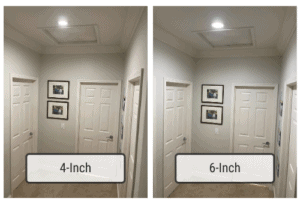
Low ceilings work better with 4 inch lights. They avoid making the ceiling feel crowded. High ceilings benefit from 6 inch lights. Larger fixtures fill the space and give balanced light. The right size helps keep the room feeling open and comfortable.
Credit: blog.recessedlighting.com
Cost Factors
Choosing between 4 inch and 6 inch recessed lighting involves understanding various cost factors. These costs affect your budget upfront and over time. Knowing these details helps you make a smart decision for your home or office.
Initial Investment
4 inch lights usually cost less than 6 inch models. The smaller size means less material and simpler design. Installation for 4 inch lights may also be cheaper. They fit into smaller spaces and need less labor. On the other hand, 6 inch lights often require more work to install. This can raise the total price for your project.
Maintenance Expenses
Smaller lights like 4 inch often use smaller bulbs. These may need to be replaced more often. But the bulbs can be cheaper to buy. Larger 6 inch lights might have longer-lasting bulbs. This reduces how often you pay for replacements. Both types are fairly easy to clean and maintain. Still, the size can influence how much effort and cost you spend over time.
Energy Savings
Energy use depends on the bulb type, not just size. LED bulbs save more energy than traditional ones. Both 4 inch and 6 inch lights can use LEDs. Smaller lights might consume less power because of their size. But 6 inch lights can cover a bigger area with fewer fixtures. This can reduce total energy use in a large room. Choose energy-efficient bulbs to lower your electricity bill.
Lighting Types And Bulbs
Choosing the right lighting types and bulbs is key for 4 inch vs 6 inch recessed lighting. The size of the fixture affects the bulb options and the light quality. Different bulbs provide different brightness and color. This section explains popular bulb choices and their features.
Led Options
LED bulbs are energy-efficient and last a long time. They fit well in both 4 inch and 6 inch recessed lights. LEDs produce bright light without much heat. You can find many color temperatures, from warm to cool white. LEDs save money on electricity bills over time.
Halogen Choices
Halogen bulbs give a warm, natural light. They work in recessed fixtures but use more energy than LEDs. Halogens get hotter, so they need careful placement. They can provide excellent brightness and sharp light. Many prefer halogen for a cozy atmosphere.
Dimmable Features
Dimmable bulbs let you adjust light brightness easily. Both LED and halogen bulbs offer dimmable options. Dimmers help set the mood in any room. They also reduce energy use when lights are low. Check bulb compatibility before adding a dimmer switch.
Installation Tips
Installing recessed lighting requires careful planning and attention. The right setup ensures good light and safe use. Follow these tips to install 4 inch or 6 inch recessed lights properly. The steps cover wiring, spacing, and safety.
Wiring Basics
Turn off the power before starting any wiring work. Use a voltage tester to confirm the power is off. Connect wires by matching colors: black to black, white to white, and ground to ground. Secure connections with wire nuts. Avoid loose or exposed wires. Follow local electrical codes for best results.
Spacing Guidelines
Place lights evenly for balanced illumination. For 4 inch lights, space them 3 to 4 feet apart. For 6 inch lights, space them 4 to 6 feet apart. Keep lights at least 6 inches away from walls. This avoids shadows and bright spots. Adjust spacing based on ceiling height and room size.
Safety Precautions
Use lights rated for your ceiling type. Check for insulation contact (IC) ratings if lights touch insulation. Avoid overheating by using recommended bulbs and wattage. Wear safety glasses and gloves during installation. Keep ladders stable and avoid overreaching. Always follow manufacturer instructions carefully.
Common Mistakes
Choosing between 4 inch and 6 inch recessed lighting can be tricky. Many people make simple mistakes that affect the room’s look and feel. Understanding these common errors helps you avoid poor lighting results. Here are some frequent mistakes to watch for.
Over-lighting
Using too many lights can make a room too bright and uncomfortable. Over-lighting wastes energy and raises your bills. It also causes glare and harsh shadows. Balance is key. Use the right number of fixtures for the room size.
Poor Placement
Placing lights in the wrong spots reduces their effectiveness. Lights too close or too far apart create uneven lighting. Avoid placing recessed lights where furniture blocks the beam. Plan placement to highlight key areas like workspaces and seating.
Ignoring Ceiling Height
Ceiling height changes how light spreads in a room. High ceilings need stronger or larger fixtures to fill the space. Low ceilings benefit from smaller lights to avoid harsh brightness. Match your light size to the ceiling height for better results.
Choosing Based On Purpose
Choosing the right size for recessed lighting depends on what you want the light to do. Different sizes work better for different lighting purposes. This section helps you decide between 4 inch and 6 inch recessed lights based on how you use the light in your space.
Ambient Lighting
Ambient lighting fills a room with soft, general light. It creates a comfortable and inviting space. Six-inch recessed lights are great for this. They spread light over a larger area. Four-inch lights can also work but need more fixtures to cover the same space.
Task Lighting
Task lighting focuses light on specific work areas. It helps you see clearly for cooking, reading, or working. Four-inch recessed lights are better here. They provide more direct and concentrated light. Using smaller lights helps avoid glare and shadows.
Accent Lighting
Accent lighting highlights art, plants, or special features. It adds depth and interest to a room. Four-inch lights work well for this purpose. They create sharp, focused beams that draw attention to details. Six-inch lights may be too broad for precise highlighting.
Frequently Asked Questions
What Is The Main Difference Between 4 Inch And 6 Inch Recessed Lighting?
4 inch lights are smaller, offering focused light; 6 inch lights cover larger areas with softer light.
Which Size Recessed Lighting Is Better For Small Rooms?
4 inch recessed lights suit small rooms well due to their compact size and focused beam.
Can 6 Inch Recessed Lights Save Energy Compared To 4 Inch?
6 inch lights may use more power but can reduce the number of fixtures needed.
How Does Light Brightness Differ Between 4 Inch And 6 Inch Lights?
6 inch lights generally provide brighter, wider light spread than 4 inch fixtures.
Are 4 Inch Or 6 Inch Recessed Lights Easier To Install?
4 inch lights are usually easier to install because they need smaller ceiling holes.
Which Recessed Lighting Size Is Best For Living Rooms?
6 inch recessed lighting works best in living rooms for broad, even illumination.
Conclusion
Choosing between 4 inch and 6 inch recessed lighting depends on your space. Smaller lights suit tight areas and create focused light. Larger lights spread light over bigger rooms and offer softer brightness. Think about your room size and lighting needs first.
Both sizes can fit well and look good. The right choice helps your space feel bright and welcoming. Keep your style and budget in mind too. Simple decisions lead to great lighting results.