
Choosing the right pool size can make all the difference in how much you enjoy your backyard. If you’re stuck between a 21-foot and a 24-foot pool, you’re not alone.
Both offer great options, but which one fits your space, budget, and lifestyle best? You’ll discover the key differences that matter most to you—so you can make a confident choice and create your perfect backyard oasis. Keep reading to find out which pool size will bring you the most joy and value.
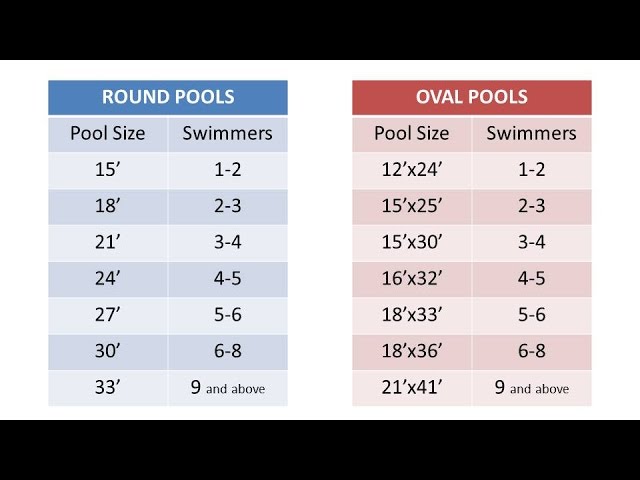
Credit: www.youtube.com
Size Comparison
Choosing between a 21-foot and a 24-foot pool means understanding their size differences. Size affects space, water needs, and overall use. This section breaks down the key size aspects to help with your decision.
Dimensions And Space
A 21-foot pool fits well in smaller yards. It offers enough length for casual swimming and play. The 24-foot pool stretches an extra 3 feet, giving more room to move. This size difference can change how you use the pool. The 24-foot pool needs more space around it for safety and comfort. Think about your yard’s layout before choosing.
Volume And Water Capacity
The 24-foot pool holds more water than the 21-foot one. More water means higher costs for filling and maintaining the pool. The 21-foot pool uses less water, saving on bills. Bigger pools also need stronger pumps and filters. Knowing the volume helps plan your budget and maintenance.

Credit: www.reddit.com
Installation Factors
Choosing between a 21-foot and 24-foot pool depends on several installation factors. These factors affect how smoothly the pool setup goes. Understanding these points helps you avoid delays and extra costs.
Yard Requirements
Space matters for both pool sizes. A 24-foot pool needs more room around it for safety. Check your yard size before deciding. Measure carefully to leave space for walking and pool equipment. A 21-foot pool fits better in smaller yards. It also allows more room for landscaping or furniture.
Permits And Regulations
Local rules affect pool installation. Most places need permits before building a pool. Permit rules may differ for 21-foot and 24-foot pools. Larger pools might require more inspections or fees. Contact your city office early to learn about regulations. Following rules avoids fines and construction delays.
Cost Differences
Choosing between a 21-foot and 24-foot pool means thinking about cost differences. Size affects how much you pay upfront and over time. Knowing these costs helps you decide which pool fits your budget best.
Initial Purchase Price
The 21-foot pool usually costs less to buy. It uses fewer materials and takes less time to build. The 24-foot pool requires more materials, raising its price. This size difference can add several hundred dollars to the cost. Also, bigger pools may need extra equipment, increasing the initial expense.
Maintenance Expenses
Maintaining a 24-foot pool costs more than a 21-foot pool. It needs more water, chemicals, and cleaning. The larger surface area means you spend more on electricity for pumps and filters. Smaller pools have lower ongoing costs, saving money each month. Regular upkeep is easier and cheaper with the smaller size.
Credit: battledental.com
Usage And Functionality
The size of a pool affects how it can be used and its overall function. Choosing between a 21-foot and a 24-foot pool means thinking about what activities will happen there. Each size offers different space and comfort levels. Understanding these differences helps pick the right pool for your needs.
Swimming And Exercise
A 21-foot pool suits light swimming and water exercises. It offers enough room for short laps and gentle workouts. This size fits well in smaller yards and still allows good movement in the water.
A 24-foot pool provides more space for swimming longer laps. It supports a wider range of exercises and water sports. The extra length helps swimmers build endurance and strength better than a smaller pool.
Entertainment And Socializing
A 21-foot pool is cozy for small groups and family fun. It works well for casual swims and relaxing in the water. This size keeps gatherings intimate and easy to manage.
A 24-foot pool welcomes larger groups and lively parties. It offers more space for games and social activities. Guests can spread out and enjoy the water without feeling crowded.
Aesthetic Impact
The size of your pool greatly affects the look of your backyard. A 21-foot pool offers a cozy, intimate space. A 24-foot pool creates a more spacious, open feel. Both sizes change the yard’s style and mood in unique ways. The aesthetic impact is about how the pool fits the whole outdoor space.
Visual Appeal
A 21-foot pool fits well in smaller yards. It feels neat and inviting. The shape and size make it easy to design around. A 24-foot pool stands out more. It looks grand and luxurious. The larger size gives a stronger focal point in the yard.
Both sizes show off clear water and smooth edges. The difference is how much space they fill. The 21-foot pool feels balanced and cozy. The 24-foot pool feels bold and open. Your choice shapes the look and vibe of your outdoor area.
Landscaping Integration
A 21-foot pool blends well with tight garden spaces. Plants and decorations can surround it closely. This size allows for detailed landscaping near the pool edge. The 24-foot pool calls for wider planting beds and open areas. It gives room for bigger plants and more design features.
Smaller pools encourage compact, neat landscaping styles. Larger pools support lush, expansive garden layouts. Both sizes work well with patios, decks, or walkways. The key is matching the pool size to your yard’s green space. This keeps the outdoor area harmonious and attractive.
Safety Considerations
Safety is a top priority when choosing between a 21-foot and a 24-foot pool. Both sizes offer fun and relaxation but require careful attention to safety. Understanding the risks helps protect everyone around the pool. Small differences in size can affect safety measures. Pool owners must plan and act to prevent accidents.
Child Safety
Children need constant supervision near any pool. Larger pools, like a 24-foot pool, have more space to watch. This can make it harder to keep an eye on kids at all times. Installing a secure fence and lockable gates is critical. Pool alarms add a layer of protection. Teaching children swimming basics and pool rules lowers danger. Small pools still require the same safety steps.
Slip And Fall Risks
Wet pool areas cause many slip and fall accidents. A 24-foot pool has a bigger deck, increasing the risk area. Using non-slip materials around the pool edge reduces falls. Regular cleaning prevents slippery algae or mold buildup. Clear walkways and proper lighting improve safety. Encourage walking, not running, around the pool. Both 21 and 24-foot pools must follow these safety tips.
Resale Value
Resale value plays a big role in choosing between a 21-foot and 24-foot pool. A pool can increase your home’s appeal and price. But size matters to buyers and the market.
Property Market Trends
In many areas, larger pools attract more attention. A 24-foot pool often fits well in bigger yards. It can offer more space for family and friends. Buyers see this as added luxury. Smaller pools like 21-foot still appeal to buyers. They use less water and need less maintenance. Trends show buyers prefer pools that match the yard size. Overcrowded yards with big pools can lower value. Balance is key for good resale value.
Pool Size Preferences
Buyers often choose pools based on their lifestyle. A 21-foot pool suits those wanting easy care and less space use. It is perfect for small families or singles. A 24-foot pool fits larger families and social gatherings. It offers more room for swimming and play. Size preference depends on the buyer’s needs. Larger pools can increase home value in warm climates. Smaller pools may be favored in cooler areas. Understanding local preferences helps set the right price.
Frequently Asked Questions
What Is The Size Difference Between 21 And 24 Foot Pools?
A 24-foot pool is 3 feet longer than a 21-foot pool, offering more swimming space.
Which Pool Size Fits Better In Small Backyards?
A 21-foot pool fits better in smaller yards due to its compact size.
How Does Pool Size Affect Water Volume And Maintenance?
Larger pools hold more water, requiring more cleaning and chemicals for upkeep.
Are 24-foot Pools Better For Swimming Laps Than 21-foot Pools?
Yes, 24-foot pools provide extra length, making lap swimming more comfortable.
Does Pool Size Impact Installation And Overall Cost?
Bigger pools usually cost more to install and maintain than smaller ones.
Which Pool Size Is Best For Family Fun And Activities?
Both sizes work, but 24-foot pools offer more room for group games.
Conclusion
Choosing between a 21-foot and 24-foot pool depends on your space and needs. The 21-foot pool fits smaller yards and saves water. The 24-foot pool offers more swimming space and fun. Think about your budget and how you will use the pool.
Both sizes bring joy and relaxation to your home. Decide what matters most for your family and lifestyle. Either choice can create great memories and cool summer days.