
Are you confused about whether to choose 1 1/2 inch or 2 inch pool plumbing for your backyard oasis? Picking the right size can make a huge difference in how well your pool runs, how easy it is to maintain, and even your energy bills.
You’ll discover the key differences between 1 1/2 and 2 inch pool pipes, what works best for your setup, and how to avoid costly mistakes. Keep reading to make sure your pool plumbing is set up perfectly for smooth, efficient swimming all season long.
Pipe Size Basics
Choosing the right pipe size is important for pool plumbing. It affects water flow and pump efficiency. Understanding the basics helps make the best choice for your pool system.
Common Pool Pipe Sizes
Pool pipes usually come in 1 1/2 inch and 2 inch sizes. Smaller pipes like 1 1/2 inch fit most residential pools. Larger 2 inch pipes are often used for bigger pools or long runs. The size you pick depends on your pool’s water volume and pump power.
Impact On Water Flow
Pipe size controls how much water moves through the system. Bigger pipes allow more water to flow with less resistance. Smaller pipes can cause higher pressure and slower flow. This puts extra strain on the pump and may reduce efficiency.
Material Considerations
Pool pipes come in materials like PVC and CPVC. PVC is common because it is strong and easy to install. CPVC can handle higher temperatures but costs more. Choose materials that suit your climate and budget for longer pipe life.

Credit: www.ubuy.co.it
Benefits Of 1 1/2 Inch Pipes
Choosing the right pipe size is important for pool plumbing. The 1 1/2 inch pipe size offers many benefits. It balances performance and cost effectively. This size handles water flow well for most residential pools. It also fits easily with common pool equipment.
Cost Efficiency
1 1/2 inch pipes cost less than larger sizes. They require fewer materials and less labor. This lowers the total plumbing expense. Smaller pipes reduce water loss and pump energy use. Saving on these helps reduce monthly utility bills.
Ease Of Installation
The 1 1/2 inch pipes are lighter and easier to handle. This speeds up the plumbing installation process. Simple connections reduce the chance of leaks or errors. DIY projects benefit from this size’s manageable weight and size.
Compatibility With Equipment
Most pool pumps and filters fit 1 1/2 inch pipes. This size matches standard fittings and valves. It works well with many pool accessories. Using this pipe size avoids costly adapters or custom parts.
Advantages Of 2 Inch Pipes
Choosing the right pipe size affects your pool’s performance and maintenance. Two-inch pipes offer several clear benefits over 1 1/2 inch pipes. They handle water flow better, reduce wear on equipment, and last longer. These advantages make 2 inch pipes a smart choice for pool plumbing.
Improved Water Circulation
Two-inch pipes allow more water to flow through easily. This helps your pool pump move water faster and more evenly. Better circulation keeps water cleaner and prevents stagnant areas. It also helps chemicals spread evenly for safer swimming.
Reduced Pump Strain
Larger pipes reduce pressure on the pump. The pump does not need to work as hard to push water. This lowers energy use and extends pump life. Less strain means fewer repairs and lower costs over time.
Long-term Durability
Two-inch pipes face less wear from water flow and pressure. They are stronger and less likely to crack or leak. This durability means fewer replacements and less maintenance. Your pool plumbing stays reliable for years.
Factors Influencing Pipe Choice
Choosing the right pipe size for pool plumbing is important. Several factors affect this choice. Selecting the proper pipe ensures efficient water flow and reduces energy use. Each factor plays a key role in deciding between 1 1/2 inch and 2 inch pipes.
Pool Size And Volume
The size of the pool affects pipe choice. Larger pools hold more water. They need bigger pipes to move water quickly. Small pools use smaller pipes to save space and cost. Matching pipe size to pool volume keeps water clean and clear.
Pump Capacity
Pump power matters for pipe size. A strong pump pushes more water. It needs wider pipes to avoid pressure loss. Weaker pumps work well with smaller pipes. Right pipe size helps the pump run smoothly and last longer.
Desired Flow Rate
Flow rate means how fast water moves. Faster flow cleans the pool better. Larger pipes allow higher flow rates. Smaller pipes limit water speed but save water. Balance flow rate with pipe size for the best pool performance.
Common Mistakes In Pipe Selection
Choosing the right pipe size is important for pool plumbing. Mistakes in pipe selection can cause poor water flow and system damage. Many pool owners and installers make simple errors that lead to costly fixes later. Understanding common mistakes helps avoid trouble and keeps the pool system running smoothly.
Oversizing Pipes
Using pipes larger than needed is a common error. Oversized pipes slow water speed. Slow water causes poor filtration and low circulation. It also wastes money on expensive materials. Pipes must match the pool pump and system needs. Right-size pipes improve water flow and save costs.
Ignoring Equipment Specs
Each pool pump and filter has specific pipe size needs. Ignoring these specs causes poor performance. Pipes that are too small create pressure drops. Pipes that are too large reduce flow speed. Check the equipment manuals before buying pipes. Follow manufacturer guidelines for best results.
Neglecting Future Upgrades
Planning only for current needs is a mistake. Future pool upgrades may need bigger pipes. Adding features like heaters or automation changes flow demands. Pipes installed today should allow easy upgrades later. Thinking ahead saves time and money on re-plumbing.

Credit: www.amazon.com
Installation Tips For Optimal Performance
Installing pool plumbing correctly ensures smooth water flow and longer system life. Proper setup reduces leaks, clogs, and pump strain. Follow these tips for best results and efficient pool operation.
Proper Pipe Slope
Maintain a slight slope in all drain pipes. A slope of about 1/8 inch per foot works well. This helps water flow naturally and avoids standing water. Standing water can cause blockages and damage pipes over time.
Check the slope regularly during installation. Use a level or slope gauge to measure. Adjust pipes as needed to keep water moving downhill.
Avoiding Sharp Bends
Use gentle curves instead of sharp bends in pipe runs. Sharp bends reduce water pressure and cause turbulence. This forces the pump to work harder and may cause noise.
Plan pipe routes carefully to minimize bends. When bends are necessary, use wide-radius elbows. This keeps water flow smooth and efficient.
Sealing And Fittings
Use high-quality sealants and fittings for all joints. Proper sealing prevents leaks and water loss. Choose sealants rated for pool use and PVC pipes.
Tighten fittings securely but avoid over-tightening. Over-tightening can crack pipes or fittings. Check for leaks after installation and before filling the pool.
Maintenance And Troubleshooting
Maintenance and troubleshooting are important for pool plumbing systems. They keep water flowing properly and avoid costly repairs. Regular care helps spot problems early. It also extends the life of pipes and fittings.
Both 1 1/2 and 2-inch plumbing need checks. Each size has unique issues to watch for. Knowing how to detect leaks, clear blockages, and perform inspections saves time and money.
Detecting Leaks
Leaks can waste water and damage your pool area. Look for wet spots near pipes and fittings. Listen for unusual sounds like hissing or dripping. Check your water meter to see if it moves with no use. Use a dye test to find slow leaks in pool walls or plumbing joints.
Clearing Blockages
Blockages reduce water flow and strain pumps. Remove debris from skimmer baskets regularly. Use a plumbing snake or hose to clear pipes. Avoid harsh chemicals that can harm plumbing materials. Flushing the system with clean water helps prevent buildup.
Routine Inspections
Check pipes, valves, and connections monthly. Look for cracks, corrosion, or loose fittings. Test valves to ensure they open and close fully. Clean filters and pumps to keep water clear. Keep a maintenance log to track repairs and tasks.
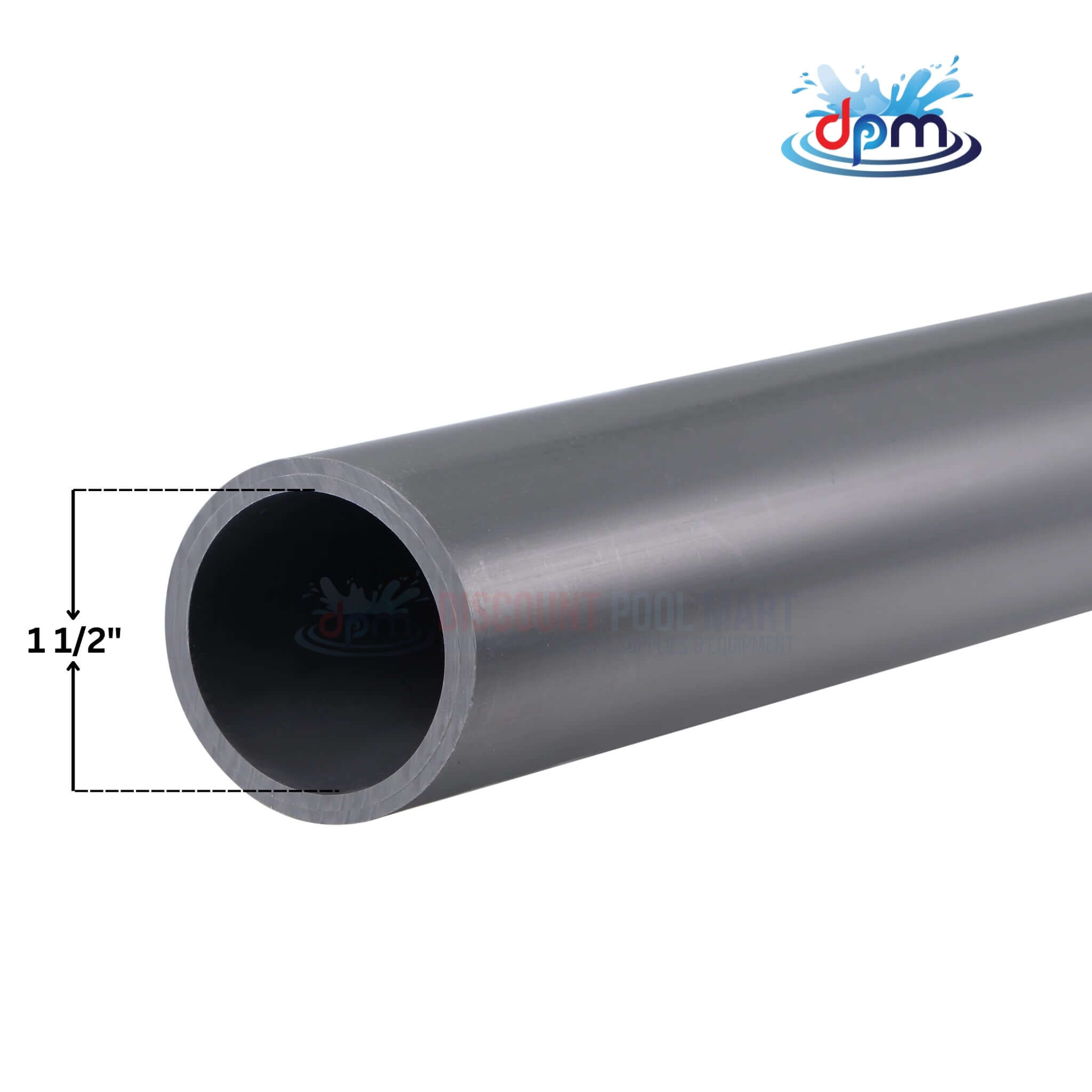
Credit: discountpoolmart.com
Frequently Asked Questions
What Is The Difference Between 1 1/2 And 2 Pool Plumbing?
1 1/2-inch pipes carry less water than 2-inch pipes. Larger pipes mean better flow and pressure.
Which Size Pipe Is Better For Pool Water Flow?
2-inch pipes offer stronger water flow and reduce pump strain compared to 1 1/2-inch pipes.
Can I Use 1 1/2-inch Pipes For My Pool?
Yes, 1 1/2-inch pipes work for smaller pools but may limit water flow in bigger systems.
Does Pipe Size Affect Pool Pump Efficiency?
Yes, larger pipes like 2-inch reduce pump work and can save energy over time.
Are 2-inch Pipes More Expensive Than 1 1/2-inch?
2-inch pipes cost more but provide better durability and improved water circulation.
How Does Pipe Size Impact Pool Maintenance?
Bigger pipes reduce clogging and make cleaning easier by improving water movement through the system.
Conclusion
Choosing between 1 1/2 and 2-inch pool plumbing depends on your needs. Smaller pipes save space and cost less. Larger pipes allow better water flow and efficiency. Think about your pool size and pump power. Proper plumbing helps keep water clean and clear.
Use this guide to decide what fits best. A good choice means easier maintenance and longer pool life. Take your time to pick the right option. Your pool will work better with the right plumbing.